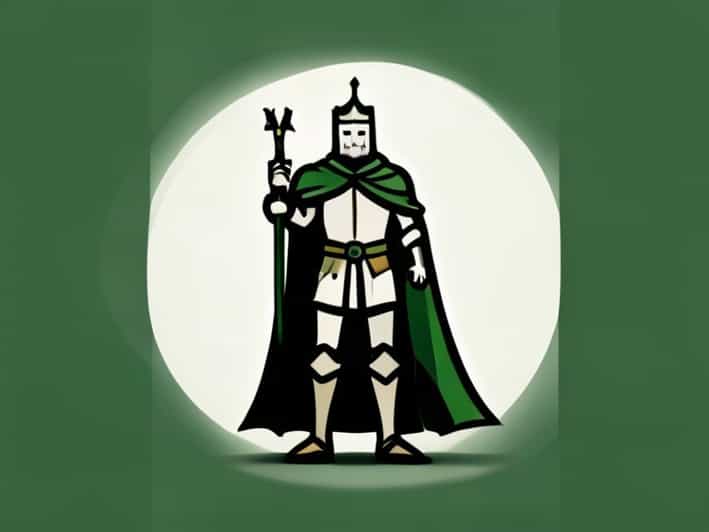
Sir Gawain and the Green Knight is a famous Middle English chivalric romance that explores themes of honor, courage, and human fallibility. Written in the late 14th century, this poem tells the story of Sir Gawain, a knight of King Arthur’s Round Table, who accepts a challenge from the mysterious Green Knight. The poem is rich in symbolism, intricate narrative structure, and moral lessons, making it a staple in the study of medieval literature. Analyzing the poem provides insight into the values of chivalry, the complexities of human nature, and the literary techniques that define medieval storytelling.
Overview of the Poem
The poem begins during a New Year’s feast at King Arthur’s court, where a massive green knight suddenly enters, challenging any knight to strike him with his axe, on the condition that he may return the blow in a year and a day. Sir Gawain accepts the challenge and beheads the Green Knight, who astonishingly picks up his own head and reminds Gawain to meet him at the Green Chapel to receive the return blow. The narrative follows Gawain’s journey, testing his courage, integrity, and adherence to the chivalric code.
Plot Summary
The story is divided into several key sections
- The ChallengeThe Green Knight’s arrival introduces the central conflict and tests the knights of Arthur’s court.
- The JourneySir Gawain embarks on a perilous journey to find the Green Chapel, encountering natural and moral challenges.
- The Exchange of WinningsGawain stays at a lord’s castle and agrees to exchange daily gains, which tests his honesty and virtue.
- The TemptationLady Bertilak attempts to seduce Gawain, presenting him with moral and ethical dilemmas.
- The Green ChapelGawain confronts the Green Knight and learns the true purpose of the challenge, revealing lessons about human imperfection and honor.
Major Themes in Sir Gawain and the Green Knight
The poem is rich in themes that reflect the medieval worldview as well as universal human experiences. Key themes include
Chivalry and Honor
Chivalry is central to the narrative, encompassing loyalty, courtesy, and moral integrity. Sir Gawain’s acceptance of the Green Knight’s challenge demonstrates courage and devotion to the chivalric code. Throughout his journey, Gawain strives to uphold these values, even when faced with fear and temptation. The poem examines the tension between idealized chivalric behavior and the realities of human imperfection.
Temptation and Morality
The encounters with Lady Bertilak test Gawain’s moral integrity. He is tempted to break his oath and conceal the green girdle that supposedly protects him. These trials explore the complexity of ethical decision-making, highlighting the conflict between self-preservation and moral duty. The poem emphasizes that moral growth arises from confronting and learning from such challenges.
Human Fallibility
One of the most significant lessons of the poem is that even the most virtuous individuals are fallible. Gawain’s acceptance of the green girdle, intended to preserve his life, represents human fear and weakness. The narrative does not condemn him but instead celebrates his courage in acknowledging his imperfections. This theme underscores the idea that ethical behavior is aspirational, and self-awareness is crucial for personal development.
Symbolism in the Poem
Symbolism plays a vital role in Sir Gawain and the Green Knight, enhancing the depth of the story and its moral lessons. Key symbols include
The Green Knight
The Green Knight embodies the supernatural and represents the forces of nature, testing human courage and integrity. His green color symbolizes growth, renewal, and the natural cycle of life and death. He challenges societal norms and prompts Gawain to confront his limitations.
The Green Girdle
The green girdle symbolizes both protection and human vulnerability. While it is a tangible object, it also represents Gawain’s struggle with fear and his attempt to secure his survival. The girdle’s later revelation as a test emphasizes the moral lesson that true honor lies in honesty and courage, not merely in appearances.
The Journey
Gawain’s journey to the Green Chapel serves as a symbolic passage of self-discovery and moral testing. The harsh landscapes he traverses mirror the inner challenges he faces, and the trials along the way illustrate the balance between courage, prudence, and ethical responsibility.
Literary Techniques in Sir Gawain and the Green Knight
The poem employs sophisticated literary techniques that contribute to its enduring appeal and depth
Alliteration and Meter
Written in Middle English, the poem uses alliterative verse, a common poetic form of the time. Repetition of consonant sounds provides rhythm, emphasizes key phrases, and enhances the oral storytelling tradition. The structure reinforces the poem’s musical quality, making it engaging for both readers and listeners.
Symbolic Imagery
The author uses vivid imagery to create a visual and emotional experience. Descriptions of the Green Knight, the natural landscapes, and the castle interiors evoke a sense of the fantastic while also conveying moral and ethical undertones. Symbolic imagery bridges the narrative with broader philosophical and ethical questions.
Suspense and Narrative Pacing
The poem builds suspense through Gawain’s journey and the anticipation of his confrontation with the Green Knight. Delays, temptations, and challenges enhance narrative tension, keeping readers engaged while exploring moral and psychological complexities. This pacing mirrors the gradual unfolding of ethical tests in real life.
Moral and Ethical Lessons
The moral lessons of Sir Gawain and the Green Knight are central to its analysis. The poem encourages readers to consider the nature of honor, the inevitability of human imperfection, and the importance of ethical reflection. Key lessons include
- True honor is measured not by flawless behavior but by courage, honesty, and the willingness to confront mistakes.
- Ethical dilemmas are complex, and human responses are influenced by fear, survival instincts, and societal expectations.
- Self-awareness and acceptance of personal weaknesses are essential for moral development.
- The values of chivalry, while aspirational, are best demonstrated through consistent reflection and action, rather than rigid perfection.
Relevance Today
Although the poem is rooted in medieval culture, its themes are still relevant. Modern readers can relate to the challenges of ethical decision-making, the tension between duty and self-interest, and the journey toward self-improvement. The narrative encourages reflection on personal integrity, courage in the face of fear, and the understanding that moral growth often comes from acknowledging and learning from mistakes.
Analyzing Sir Gawain and the Green Knight reveals the rich interplay of chivalric ideals, human imperfection, and moral exploration. Through Sir Gawain’s journey, readers encounter a complex portrait of courage, honor, and ethical struggle. Symbolism, literary techniques, and narrative structure all work together to convey enduring lessons about morality and self-awareness. The poem continues to captivate audiences for its exploration of universal themes and its sophisticated storytelling, making it a cornerstone of medieval literature and an essential text for understanding the ideals and challenges of human character. By examining the ethical, symbolic, and literary dimensions of the poem, one gains insight into the timeless questions of honor, integrity, and the human condition.