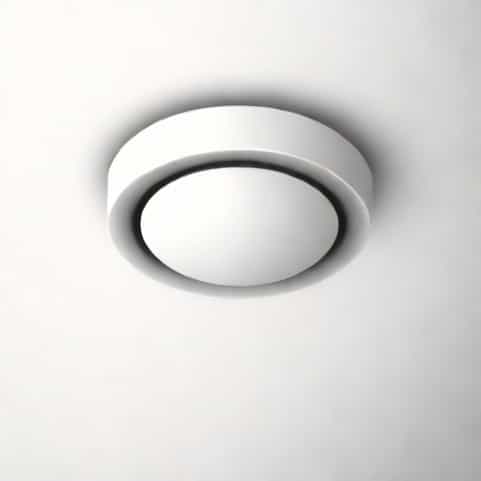
Hearing a smoke detector hardwired beeping in your home can quickly become both alarming and frustrating. Since smoke detectors are meant to keep you safe by alerting you to danger, constant or unexplained beeping can leave homeowners wondering what the real issue is. A hardwired smoke detector, unlike its battery-only counterpart, is connected directly to the home’s electrical system, which means troubleshooting is not always as simple as replacing batteries. Understanding why the alarm is beeping and how to address it is essential for safety and peace of mind.
Why a Hardwired Smoke Detector Beeps
There are multiple reasons a smoke detector hardwired beeping sound may occur, and not all of them point to an actual fire. While the primary role of the device is life safety, technical or maintenance issues can also cause it to chirp intermittently. The most common reasons include
- Low backup batteryEven though the unit is hardwired, it still relies on a backup battery. When this battery runs low, beeping occurs.
- Dust or debrisSmoke detectors can become clogged with dust, which triggers false alerts or causes malfunction.
- Power interruptionsA momentary loss of power or loose wiring connection can result in the detector making noise.
- End of device lifeMost smoke detectors are designed to last 8-10 years. After that, they may beep to signal replacement is needed.
- Environmental factorsExcessive humidity, steam, or sudden temperature changes can set off the detector.
Recognizing the Type of Beeping
Not all beeping sounds are the same. Identifying the pattern can help you troubleshoot more effectively
- Single chirp every 30-60 secondsUsually a sign of a low or missing backup battery.
- Consistent rapid beepingIndicates the alarm is actively detecting smoke or fire.
- Beeping after power outageThe detector may reset and chirp until stable power is restored.
- Random or occasional beepingCould be due to dust, insects, or wiring issues.
By listening carefully to the sound pattern, homeowners can narrow down the possible cause before taking further steps.
Steps to Stop a Hardwired Smoke Detector Beeping
Addressing the issue may require a few troubleshooting steps. Here is a practical sequence to follow when dealing with a smoke detector hardwired beeping
- Step 1 Reset the detector.Many units have a reset button. Holding it for 15-20 seconds can often clear minor errors.
- Step 2 Replace the backup battery.Even if the device is hardwired, the backup battery is critical. Insert a new battery to see if the chirping stops.
- Step 3 Clean the detector.Use a vacuum with a soft brush or a can of compressed air to remove dust and debris.
- Step 4 Check wiring connections.If you are comfortable and safe doing so, inspect the wiring for loose or damaged connections. If not, consult a professional.
- Step 5 Replace the unit if outdated.If your smoke detector is more than 10 years old, replacement is the best option.
Importance of the Backup Battery
One of the most common misunderstandings about hardwired smoke alarms is the role of the backup battery. Many people assume that since the unit is connected to the home’s electrical system, the battery is not important. However, the battery ensures protection during power outages. When the backup battery drains, the smoke detector hardwired beeping noise serves as a reminder that the system is no longer fully reliable. Regularly replacing the battery, typically once a year, prevents these interruptions.
Environmental and Location Factors
Sometimes, the issue has less to do with the device itself and more to do with its surroundings. For example, smoke detectors installed near bathrooms often misinterpret steam from showers as smoke. Units placed in kitchens may respond to cooking fumes. In these cases, frequent false alarms or unnecessary beeping may occur. Relocating the detector a few feet away from high-moisture or high-heat areas can help minimize these problems.
Signs It’s Time to Replace Your Smoke Detector
A smoke detector that continues to beep despite troubleshooting may simply be too old to function properly. Key signs that indicate replacement is necessary include
- The detector is more than 8-10 years old.
- Frequent false alarms with no clear cause.
- Chirping continues even after replacing the battery and cleaning the device.
- The test button fails to activate the alarm properly.
Modern smoke detectors often come with improved features such as dual-sensor technology and longer-lasting batteries, making replacement a good investment in safety.
When to Call a Professional
Although many smoke detector issues can be solved with basic troubleshooting, there are situations where professional help is the best option. If you suspect faulty wiring, if the device keeps beeping after all standard fixes, or if you feel unsafe handling electrical components, calling an electrician or a certified alarm technician is the safest choice. This ensures the system remains fully functional without putting yourself at risk.
Preventive Maintenance for Hardwired Smoke Detectors
To avoid the stress of a smoke detector hardwired beeping unexpectedly, regular maintenance is key. Here are a few preventive steps
- Test each smoke detector once a month using the test button.
- Replace backup batteries annually, even if the detector hasn’t chirped.
- Clean the device at least twice a year to remove dust buildup.
- Keep records of installation dates to know when replacement is due.
Following these practices ensures that your smoke detectors operate effectively and reliably at all times.
The Importance of Taking Beeping Seriously
It is important not to ignore any beeping from your smoke detector, whether hardwired or battery-operated. The device exists to provide early warning in case of fire, and silencing it without solving the root cause can put your household at risk. Even if the beeping is caused by a minor issue such as a dead battery, treating it promptly ensures your safety system remains intact and ready when you need it most.
A smoke detector hardwired beeping can be a nuisance, but it is never something to overlook. From battery issues and dust accumulation to power interruptions or end-of-life signals, there are several reasons why your device might make noise. By learning how to identify different beeping patterns, following troubleshooting steps, and performing regular maintenance, you can resolve the problem and keep your home protected. When in doubt, don’t hesitate to seek professional help. A properly functioning smoke detector is one of the simplest yet most vital components of household safety.