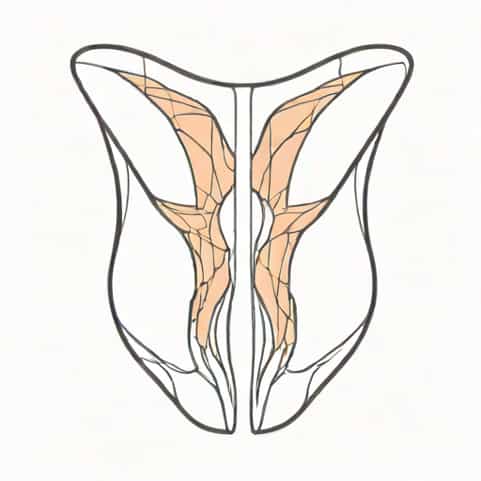
The superficial transverse perineal muscle, often abbreviated as superficial transverse perineal m., is an essential component of the perineal region that plays a significant role in pelvic floor support. Although it is a small and relatively thin muscle, its functions are vital for maintaining stability in the pelvic area, supporting the urogenital diaphragm, and assisting in the proper functioning of other pelvic muscles. Understanding its anatomy, attachments, and role in clinical practice is important for students of anatomy, healthcare professionals, and anyone interested in the biomechanics of the pelvic region. Despite its size, the superficial transverse perineal muscle contributes to core stability, continence, and overall pelvic health.
Anatomy of the Superficial Transverse Perineal Muscle
The superficial transverse perineal muscle is a narrow, fibrous muscle located in the perineum, specifically in the urogenital triangle. Its anatomy is relatively straightforward but requires precise knowledge to understand its clinical relevance. This muscle extends horizontally from the ischial tuberosities toward the central tendinous point of the perineum, also known as the perineal body. Its fibers are arranged transversely, providing structural support and linking the lateral aspects of the pelvis with the perineal body.
Origin and Insertion
The superficial transverse perineal muscle originates from the ischial tuberosities, which are the bony prominences located at the lower portion of the pelvis. From there, its fibers run medially toward the central tendon of the perineum. The insertion into the perineal body allows it to connect with other muscles of the pelvic floor, including the bulbospongiosus, external anal sphincter, and deep transverse perineal muscles. This connection is crucial for coordinated pelvic floor function and the maintenance of continence.
Function and Biomechanical Role
The primary function of the superficial transverse perineal muscle is to stabilize the perineal body, which serves as a central point for the attachment of multiple perineal muscles. By supporting this structure, the muscle helps maintain the integrity of the pelvic floor, contributing to core stability and proper organ positioning. Additionally, it assists in coordinating the contraction of surrounding muscles during activities such as urination, defecation, and sexual activity. Its role may seem minor individually, but collectively with other pelvic muscles, it is indispensable for pelvic function.
Interaction with Other Pelvic Muscles
The superficial transverse perineal muscle works in synergy with other muscles of the perineum. For example
- The bulbospongiosus muscle Assists in sexual function and ejaculation in males and clitoral erection in females.
- The external anal sphincter Contributes to fecal continence.
- The deep transverse perineal muscle Provides additional support to the perineal body and urogenital diaphragm.
- The levator ani group Maintains pelvic organ positioning and supports intra-abdominal pressure.
This interaction highlights the importance of the superficial transverse perineal muscle in coordinated pelvic floor activity, even though it is often overlooked in discussions of pelvic anatomy.
Clinical Significance
The superficial transverse perineal muscle has several clinical implications, particularly in the fields of urology, gynecology, and physical therapy. Injury or weakness in this muscle, whether due to childbirth, trauma, or aging, can compromise the stability of the perineal body and contribute to pelvic floor disorders. Such disorders may include urinary incontinence, pelvic organ prolapse, or sexual dysfunction. Understanding this muscle’s anatomy allows healthcare professionals to develop targeted therapies and rehabilitation programs that strengthen the pelvic floor and restore functional stability.
Role in Pelvic Floor Rehabilitation
Physical therapists specializing in pelvic health often focus on exercises that indirectly or directly target the superficial transverse perineal muscle. Techniques may include
- Kegel exercises Strengthen the pelvic floor muscles, enhancing support to the perineal body.
- Biofeedback training Helps patients learn to contract and relax the pelvic floor muscles effectively.
- Manual therapy Involves targeted massage or stretching of the perineal region to relieve tension or improve muscle function.
- Postpartum rehabilitation Ensures recovery of pelvic floor strength and prevents long-term complications after childbirth.
Anatomical Variations
Like many muscles in the human body, the superficial transverse perineal muscle can exhibit variations in size, shape, and attachment. In some individuals, the muscle may be more robust, while in others, it may be thin or partially absent. These variations can influence the muscle’s effectiveness in supporting the perineal body and may impact susceptibility to pelvic floor disorders. Awareness of these differences is important for clinicians when evaluating pelvic floor integrity and planning surgical or therapeutic interventions.
Gender Differences
There are subtle differences in the superficial transverse perineal muscle between males and females. In males, it primarily contributes to the support of the urogenital diaphragm and the base of the penis. In females, it provides structural support to the perineal body and the vaginal opening. Despite these differences, its core function of stabilizing the perineal body remains consistent across genders, underscoring its universal importance in pelvic anatomy.
Importance in Surgical Procedures
Surgeons performing procedures in the perineal region must have detailed knowledge of the superficial transverse perineal muscle. During surgeries such as episiotomies, perineal repairs, or reconstructive procedures, preserving the integrity of this muscle is essential for maintaining pelvic floor stability and ensuring optimal postoperative outcomes. Damage or improper handling can lead to complications such as weakened pelvic support, incontinence, or chronic discomfort. Therefore, accurate anatomical knowledge is critical for surgical precision.
Educational and Research Relevance
For students of anatomy, medicine, and physical therapy, the superficial transverse perineal muscle serves as a key example of the intricate design of the pelvic floor. It demonstrates how even small muscles can have significant functional roles, highlighting the importance of comprehensive anatomical study. Researchers continue to explore its contributions to pelvic floor mechanics, injury recovery, and rehabilitation, making it a subject of ongoing scientific interest.
The superficial transverse perineal muscle, while small and often overlooked, plays a vital role in the support and function of the pelvic floor. From stabilizing the perineal body to interacting with surrounding muscles, it contributes to urinary and fecal continence, sexual function, and overall pelvic health. Its clinical significance in rehabilitation, surgical procedures, and anatomical education underscores the importance of understanding this muscle in detail. Proper awareness of its anatomy, variations, and function is essential for healthcare professionals and students alike, ensuring the maintenance of pelvic floor integrity and promoting long-term wellness.