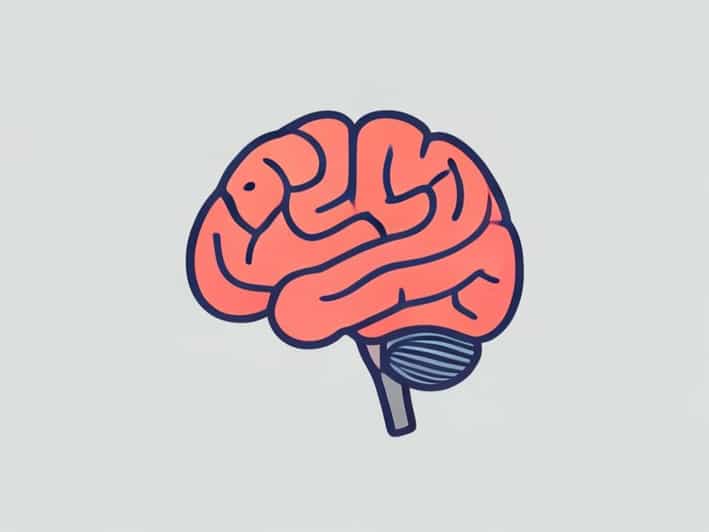
The primary sensory cortices are fundamental regions of the brain responsible for processing information from our senses, allowing humans to perceive and respond to the environment. These specialized areas receive input from sensory organs and translate it into signals that the brain can interpret, enabling perception of touch, sight, sound, taste, and smell. Understanding the primary sensory cortices is essential for students and professionals in neuroscience, psychology, and medical fields. Quizlet has become a popular tool for learning and reviewing this material, providing interactive flashcards, quizzes, and study sets that make complex information easier to retain and recall.
Overview of the Primary Sensory Cortices
The primary sensory cortices consist of distinct regions in the cerebral cortex, each dedicated to processing specific types of sensory information. These regions are organized to efficiently manage the enormous amount of data coming from the body’s sensory systems. For example, the primary somatosensory cortex handles tactile information such as pressure, temperature, and pain, while the primary visual cortex interprets visual stimuli from the eyes. By understanding the roles and locations of these cortices, students can develop a clearer picture of how the brain converts raw sensory input into meaningful perception.
Types of Primary Sensory Cortices
There are five main primary sensory cortices in the human brain, each associated with a different sense
- Primary Somatosensory Cortex (S1)Located in the postcentral gyrus of the parietal lobe, this cortex processes touch, pressure, vibration, temperature, and pain from various parts of the body.
- Primary Visual Cortex (V1)Found in the occipital lobe, the visual cortex interprets visual information from the retinas, allowing perception of color, shape, and motion.
- Primary Auditory Cortex (A1)Situated in the temporal lobe, this area receives auditory signals from the cochlea and is essential for processing sounds, including pitch and volume.
- Primary Gustatory CortexLocated in the insula and frontal operculum, it processes taste information from the tongue, enabling identification of different flavors.
- Primary Olfactory CortexFound in the temporal lobe, it interprets information from the olfactory bulbs, allowing the perception of odors.
Learning the Primary Sensory Cortices on Quizlet
Quizlet is a widely used educational platform that helps students memorize and understand complex topics such as the primary sensory cortices. Using flashcards, quizzes, and games, learners can review the names, locations, and functions of each sensory cortex. Quizlet allows users to engage with content in multiple ways, enhancing retention through active recall and repetition. This approach is especially helpful for visual learners who benefit from diagrams and images of the brain’s cortical regions.
Study Techniques on Quizlet
Quizlet provides several study modes that cater to different learning preferences
- FlashcardsStudents can flip through digital flashcards with the name of the cortex on one side and its location and function on the other.
- Learn ModeQuizlet tracks progress and adapts to the learner’s performance, reinforcing areas that require more attention.
- Write ModeUsers type answers to questions, which enhances memory through active engagement.
- Match and Gravity GamesInteractive games allow students to test their knowledge in a fun and competitive way, improving recall speed.
Importance of the Primary Sensory Cortices
The primary sensory cortices are crucial for daily life, as they allow humans to interact with their environment. Without these specialized brain regions, perception of touch, sight, sound, taste, and smell would be impaired. Understanding these cortices is important for medical professionals diagnosing sensory disorders, neurologists studying brain injuries, and psychologists exploring perception and cognition. Knowledge of the sensory cortices also helps in understanding how the brain integrates multiple sensory inputs to create a cohesive experience of the world.
Clinical Relevance
Damage to any primary sensory cortex can result in significant deficits. For example, lesions in the primary visual cortex may cause partial or complete blindness, while injury to the primary somatosensory cortex can lead to loss of tactile sensation. Audiologists and speech therapists also rely on knowledge of the primary auditory cortex to address hearing impairments and auditory processing disorders. Additionally, understanding the primary gustatory and olfactory cortices aids in diagnosing taste and smell disorders, which can be early indicators of neurological conditions.
Tips for Studying the Primary Sensory Cortices
To effectively learn the primary sensory cortices using Quizlet or other study tools, it is helpful to combine memorization with conceptual understanding. Visualizing the location of each cortex in the brain, connecting functions to everyday experiences, and using mnemonic devices can enhance retention. Regular review sessions and self-testing reinforce knowledge, ensuring students can recall critical information under exam conditions or in practical settings.
- Use color-coded diagrams to associate each cortex with its sensory function.
- Create mnemonics to remember the sequence or location of sensory cortices.
- Relate sensory processing to daily experiences, such as recognizing flavors, sounds, or tactile sensations.
- Practice recall frequently using Quizlet’s adaptive learning modes.
Integrating Knowledge Across Disciplines
Studying the primary sensory cortices is not limited to neuroscience students. It is also relevant for psychology, medicine, occupational therapy, and speech-language pathology. By understanding how these cortices process sensory information, professionals can better design interventions, treatments, and educational strategies. Quizlet’s interactive approach makes it easier for students from diverse disciplines to master the material and apply it in real-world scenarios.
The primary sensory cortices play an essential role in human perception, allowing individuals to interpret and respond to sensory stimuli. Learning about these cortical regions on platforms like Quizlet provides an efficient and interactive way to grasp their names, locations, and functions. By combining memorization, visualization, and conceptual understanding, students can develop a deep comprehension of how the brain processes sensory information. Whether for academic study or professional application, mastering knowledge of the primary sensory cortices is key to understanding human perception, diagnosing sensory disorders, and exploring the intricate connections between the brain and the senses. Quizlet serves as a valuable tool in this process, supporting effective learning and long-term retention.