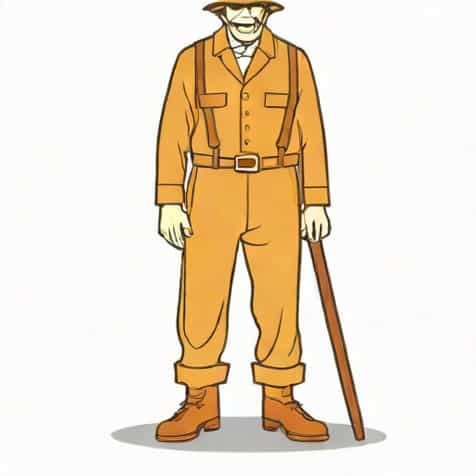
The Ragged Trousered Philanderer is a classic work of social commentary that delves into the everyday struggles and lives of working-class people in early twentieth-century Britain. Written by Robert Tressell, the novel presents a vivid depiction of poverty, labor exploitation, and the human condition within a rapidly industrializing society. The story explores themes of inequality, social injustice, and human resilience, providing insight into both personal and societal challenges faced by ordinary people. Through its characters and narrative, the novel illustrates the tension between individual desires and systemic oppression, revealing the harsh realities of life for those who toil without recognition or reward.
Background and Publication
The Ragged Trousered Philanderer was written by Robert Tressell, the pseudonym of Robert Noonan, an English painter and decorator. Tressell’s experiences as a laborer heavily influenced the novel’s content, giving it authenticity and a deeply empathetic perspective on the struggles of the working class. The book was first published posthumously in 1914, after Tressell’s untimely death, and quickly gained recognition for its raw, honest portrayal of labor conditions. Despite initial controversy, it has since become a seminal text in socialist literature, inspiring discussions on workers’ rights and economic reform.
Historical Context
The novel is set in Mugsborough, a fictional town representative of industrial towns in Britain during the early 1900s. At this time, workers often faced long hours, low pay, and unsafe working conditions. Social mobility was limited, and the divide between the wealthy elite and the working poor was stark. Tressell’s novel captures this environment, using his characters’ daily experiences to highlight systemic inequalities and the exploitation inherent in capitalist society. Through this lens, The Ragged Trousered Philanderer not only tells a story of personal lives but also serves as a critique of societal structures.
Main Themes
The novel explores several interconnected themes, offering both a narrative and a critique of broader societal issues. Central to the book is the depiction of labor struggles, highlighting the injustices faced by workers in terms of pay, working conditions, and social status. Tressell examines how economic pressures shape individual choices and relationships, often forcing characters to compromise their ideals or dignity. Beyond labor, the book delves into human relationships, moral dilemmas, and the pursuit of happiness amid societal constraints.
Social Inequality and Labor Exploitation
- PovertyCharacters face limited financial resources and daily hardships that affect all aspects of their lives.
- Work conditionsThe novel details unsafe and grueling labor environments that reflect historical realities.
- Class divideTressell critiques the wealth disparity between the ruling elite and the working poor.
Human Relationships and Personal Struggles
While the novel is heavily focused on social critique, it also explores the personal lives of its characters. The term philanderer in the title reflects the moral shortcomings and vulnerabilities of some characters, illustrating how economic and social pressures can influence personal behavior. Tressell portrays friendships, romances, and conflicts with a keen eye for human psychology, emphasizing the resilience and flaws inherent in everyday people.
Characters and Characterization
The richness of The Ragged Trousered Philanderer lies in its diverse cast of characters. From skilled workers to unskilled laborers, each character embodies a facet of working-class life and the challenges they face. The protagonist, often referred to as the philanderer, serves as a lens through which the reader can observe both individual behavior and societal pressures. Through these characters, Tressell conveys empathy and a nuanced understanding of human nature, showing how circumstances shape choices, morality, and relationships.
Notable Characters
- The PhilandererRepresents both personal flaws and the human need for companionship and recognition.
- Fellow WorkersIllustrate collective struggles, solidarity, and occasional conflicts within the labor force.
- EmployersServe as embodiments of systemic exploitation and indifference to worker welfare.
Literary Style and Techniques
Tressell employs a straightforward, realistic style that enhances the novel’s social critique. His descriptive passages vividly depict working conditions, domestic environments, and social interactions, allowing readers to visualize the world of Mugsborough. Dialogue is used effectively to convey both character and social dynamics, reflecting regional dialects and class distinctions. The narrative alternates between personal stories and broader social commentary, creating a layered and engaging reading experience.
Realism and Social Commentary
The realism in The Ragged Trousered Philanderer is a crucial element of its impact. By portraying events and experiences with unflinching honesty, Tressell exposes injustices that might otherwise be ignored or minimized. This approach not only informs readers but also evokes empathy, prompting reflection on societal structures and the need for reform. The blend of personal narrative and social analysis allows the novel to function as both literature and a political statement.
Impact and Legacy
Since its publication, The Ragged Trousered Philanderer has influenced both literature and social thought. It has been embraced by socialist and labor movements as a seminal work highlighting workers’ struggles and advocating for social change. The novel has inspired subsequent writers and activists, and its themes remain relevant in discussions about inequality, labor rights, and human dignity. Its legacy extends beyond its historical context, providing enduring insight into the human condition and the consequences of social and economic injustice.
Modern Relevance
- Labor rightsThe novel’s depiction of worker exploitation continues to resonate in contemporary discussions about fair wages and working conditions.
- Social awarenessHighlights ongoing issues of inequality and the importance of empathy and activism.
- Literary significanceRemains a classic example of realist literature with a strong social conscience.
The Ragged Trousered Philanderer remains a powerful and insightful novel that sheds light on the lives of the working class in early twentieth-century Britain. Through vivid characterization, realistic depictions of labor, and a compelling narrative, Robert Tressell addresses enduring themes of social inequality, human resilience, and the complexities of personal relationships. The novel continues to be studied, celebrated, and appreciated for its literary and social contributions, offering readers both a historical perspective and a timeless reflection on the human struggle for dignity, fairness, and understanding in a complex world.