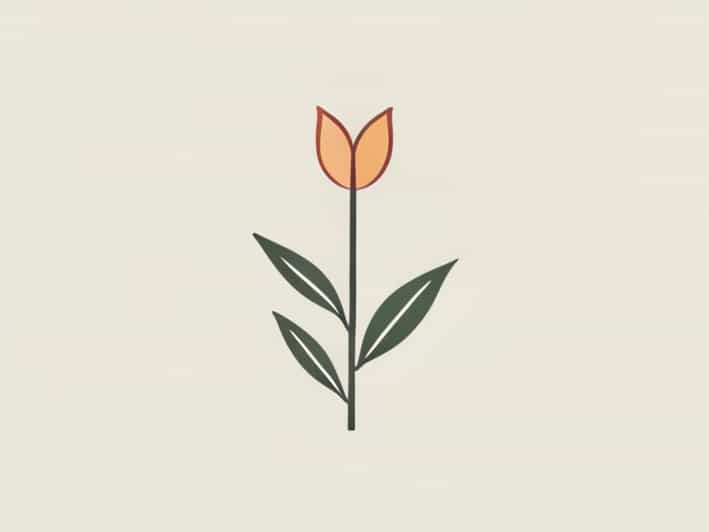
The stalk of a flower, often overlooked, plays a vital role in the life and survival of a plant. It is not merely a supporting structure but a crucial conduit that connects the roots to the blossoms, transporting water, nutrients, and sugars essential for growth. The stalk, also called the stem, provides mechanical support, allowing flowers to reach sunlight, attract pollinators, and reproduce effectively. Understanding the biology, structure, and function of the flower stalk gives us a deeper appreciation for the complexity of plant life and the delicate balance that sustains ecosystems.
Structure of the Flower Stalk
The stalk of a flower is a sophisticated structure that combines strength, flexibility, and transport capabilities. It consists of several layers, each with a specific function. The outer layer, called the epidermis, protects against environmental stress and prevents water loss. Beneath this is the cortex, which provides structural support and sometimes stores nutrients. At the core of the stalk lies the vascular tissue, including xylem and phloem, responsible for the movement of water, minerals, and food throughout the plant.
Key Components
- Xylem Transports water and minerals from the roots to the flower and other parts of the plant.
- Phloem Moves sugars and organic nutrients produced during photosynthesis to the flower and other tissues.
- Parenchyma Fills spaces and stores nutrients within the stalk.
- Sclerenchyma and Collenchyma Provide mechanical support and flexibility to withstand wind and other physical forces.
Functions of the Flower Stalk
The primary function of the flower stalk is support, ensuring the bloom is positioned to maximize sunlight exposure and attract pollinators. Beyond this, it serves as a transportation network, delivering vital resources from the roots and leaves to the reproductive parts of the plant. The stalk also plays a role in reproduction by elevating flowers to a height that enhances pollination efficiency. In some plants, the stalk can also produce secondary growth, contributing to overall plant health and longevity.
Transport and Nutrient Distribution
Through its xylem vessels, the stalk carries water absorbed by the roots to the petals, sepals, and reproductive organs, keeping the flower hydrated and functional. Meanwhile, the phloem distributes sugars and other products of photosynthesis to the flower, supporting energy-intensive processes such as blooming and seed development. This dual transport system is crucial, as any disruption in the stalk can significantly affect the health and reproduction of the plant.
Adaptations in Different Plants
Flower stalks have evolved in diverse ways to meet the ecological needs of different plants. In some species, stalks are rigid and tall, enabling flowers to rise above surrounding foliage for better sunlight access. In others, stalks may be flexible, allowing the flower to sway in the wind without breaking. Certain plants have modified stalks, like spurs or tendrils, which help in climbing or attracting specific pollinators. These adaptations reflect the intricate relationship between plant morphology and environmental pressures.
Specialized Stalk Forms
- Peduncle The main stalk that supports an inflorescence or a solitary flower.
- Pedicel A smaller stalk that attaches individual flowers within an inflorescence.
- Scape A leafless stalk that arises from the ground and supports flowers, commonly seen in lilies and dandelions.
- Tendrils Modified stalks that help climbing plants attach to structures for support.
Role in Pollination and Reproduction
The stalk’s height and positioning directly influence the success of pollination. By elevating flowers, stalks make blooms more accessible to pollinators such as bees, butterflies, and birds. This ensures effective transfer of pollen and increases the likelihood of fertilization. Additionally, some plants rely on the stalk to sway or bend in the wind, aiding in the dispersal of pollen grains or seeds. Without a properly functioning stalk, flowers may fail to attract pollinators, ultimately impacting reproduction and the survival of the species.
Interaction with Pollinators
- Height and visibility Stalks elevate flowers to make them more visible to pollinators.
- Flexibility Allows flowers to move in response to pollinator activity or wind, aiding in pollen distribution.
- Support for nectar and reproductive organs Ensures pollinators can access resources efficiently, facilitating cross-pollination.
- Stability Provides a firm base for pollinators to land and feed without damaging the flower.
Environmental Influences on Flower Stalks
The growth and development of a flower stalk are highly influenced by environmental factors such as light, water, nutrients, and temperature. Adequate sunlight promotes elongation and strength, while water and nutrient availability ensure proper vascular function. Stressors like wind, herbivory, or mechanical damage can trigger changes in stalk morphology, such as thickening or increased flexibility, to improve survival. Understanding these influences helps gardeners, farmers, and botanists cultivate healthy plants with robust flowering stalks.
Growth Patterns
- Phototropism Stalks grow toward light to maximize photosynthesis and flower visibility.
- Gravitropism Roots and lower stalk sections respond to gravity, providing stability and anchorage.
- Mechanical stress response Stalks can thicken or become more flexible under wind or physical pressure.
- Hormonal regulation Plant hormones like auxins and gibberellins control elongation, strength, and flowering timing.
Human Use and Symbolism
Humans have long recognized the importance of flower stalks not only for plant growth but also for aesthetics and cultural symbolism. In floriculture, the length, straightness, and strength of stalks are critical for arranging flowers and ensuring longevity in bouquets. Symbolically, the stalk can represent support, resilience, and connection, reflecting the vital role it plays in sustaining life. Gardeners and horticulturists often manipulate stalks through pruning, staking, or training to optimize flowering and enhance ornamental value.
Practical Applications
- Floriculture Strong, straight stalks are prized for cut flowers and arrangements.
- Horticulture Stalk management improves plant health, growth, and flowering potential.
- Botanical education Studying stalk anatomy teaches key concepts about plant structure and physiology.
- Symbolism Represents support, connection, and natural beauty in cultural contexts.
The stalk of the flower is much more than a simple support; it is an essential component that enables plants to thrive, reproduce, and interact with their environment. Through its complex structure, vascular system, and adaptive capabilities, the stalk ensures that flowers receive the resources they need while positioning them for successful pollination. Its influence extends from ecological functions to human appreciation and symbolic meaning. Understanding the flower stalk deepens our knowledge of plant biology, highlights the intricate connections within ecosystems, and reminds us of the often-unseen structures that sustain life and beauty in the natural world.