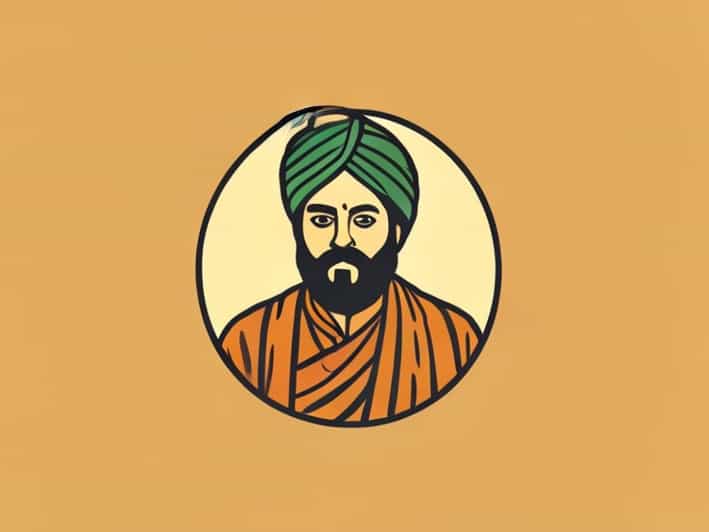
The title Punjab Kesari holds a significant place in the history of India, symbolizing courage, patriotism, and relentless dedication to the cause of Indian independence. Conferred on Lala Lajpat Rai, one of the most prominent leaders of the Indian freedom struggle, this title recognizes his tireless efforts to awaken national consciousness and fight against colonial oppression. Lajpat Rai, born in 1865 in Punjab, was a leader whose influence extended beyond political activism, inspiring generations with his writings, speeches, and organizational work. His commitment to social reform, education, and national unity made him a formidable figure, earning him the affectionate title of Punjab Kesari, meaning The Lion of Punjab.
Lala Lajpat Rai Early Life and Education
Lala Lajpat Rai was born on January 28, 1865, in Dhudike, Punjab, during the British colonial period. From an early age, he exhibited exceptional intelligence, a strong sense of justice, and a deep love for his country. He pursued his education with dedication, excelling in both academics and extracurricular activities, which laid the foundation for his future leadership. His early exposure to social inequalities and colonial exploitation profoundly influenced his worldview, shaping his determination to work towards India’s freedom and social progress. Education played a pivotal role in Lajpat Rai’s life, as he believed that awakening the minds of the youth was essential for national regeneration.
Entry into Political Activism
Lajpat Rai began his political journey by joining various reform movements aimed at uplifting Indian society. He was associated with the Indian National Congress, where he became a prominent leader advocating for self-rule and social reform. His speeches and writings inspired widespread support, particularly in Punjab, and he became known for his fearless criticism of British policies. Rai’s activism focused not only on political freedom but also on education, economic self-reliance, and the eradication of social injustices. His efforts to unite people across religious and social lines were instrumental in strengthening the nationalist movement.
The Significance of the Title Punjab Kesari
The title Punjab Kesari, or Lion of Punjab, was conferred on Lala Lajpat Rai in recognition of his bravery, leadership, and unwavering commitment to India’s independence. It reflected both the admiration of his contemporaries and the impact of his work on the broader struggle against British colonial rule. Rai earned this title not only through his fearless participation in protests and movements but also through his ability to mobilize the masses, educate the public, and articulate the aspirations of the Indian people. The epithet Kesari symbolizes courage, strength, and leadership, qualities that Lajpat Rai exemplified throughout his life.
Major Contributions of Lala Lajpat Rai
- Political LeadershipLajpat Rai played a key role in organizing protests against oppressive colonial policies, including the Simon Commission in 1928, where he led a peaceful demonstration that tragically resulted in his injury.
- Social ReformHe advocated for education, women’s rights, and the eradication of social evils, believing that a strong and educated society was crucial for national progress.
- Literary ContributionsRai was a prolific writer, authoring books such as Unhappy India and The History of the Indian National Congress, which highlighted colonial injustices and inspired patriotism.
- Organizational WorkHe co-founded institutions like the National College in Lahore and the Servants of the People Society to promote education, social service, and nationalist ideals.
- Inspiring LeadershipLajpat Rai’s fearless demeanor and eloquent speeches galvanized people across Punjab and India, making him a symbol of resistance and courage.
Lajpat Rai and the Freedom Struggle
Lala Lajpat Rai’s role in India’s freedom movement was marked by his fearless opposition to British rule. He advocated for swaraj, the concept of self-governance, and participated in campaigns that sought to challenge colonial authority. Rai’s leadership during protests, particularly against the Simon Commission, demonstrated his commitment to nonviolent resistance while also exposing the brutal nature of colonial oppression. His dedication to the cause inspired other leaders and activists, fostering a sense of unity and purpose among Indians. Despite facing arrests, physical assaults, and surveillance by the British authorities, Rai continued his work undeterred, exemplifying the spirit of the Punjab Kesari.
The Simon Commission Protest
One of the most notable moments in Lajpat Rai’s life was his leadership during the protest against the Simon Commission in 1928. The commission, set up by the British government, excluded Indian representatives, which led to nationwide outrage. Rai organized and led peaceful demonstrations in Lahore, during which he was brutally lathi-charged by the police. Although he survived the immediate attack, the injuries sustained ultimately contributed to his death on November 17, 1928. This act of bravery cemented his legacy as a fearless leader and justified his title as Punjab Kesari.
Legacy of Lala Lajpat Rai
Lajpat Rai’s legacy extends far beyond his lifetime. He remains a symbol of courage, patriotism, and dedication to the ideals of freedom and social justice. Educational institutions, memorials, and awards in India continue to honor his contributions. His writings and speeches are studied for their inspirational content, and his life serves as a model for leadership and activism. By earning the title Punjab Kesari, Lajpat Rai not only gained recognition during his lifetime but also left an enduring mark on Indian history, motivating future generations to fight for justice and equality.
Influence on Future Generations
- Encouraged youth participation in the independence movement through educational and social initiatives.
- Promoted the idea of courage and resilience in facing oppression, inspiring leaders like Bhagat Singh and other revolutionaries.
- His writings and lectures continue to provide philosophical and ethical guidance for social reformers and activists.
- Established institutions that continue to educate and serve communities, reflecting his lifelong commitment to public welfare.
The title Punjab Kesari was conferred on Lala Lajpat Rai in recognition of his extraordinary courage, leadership, and dedication to India’s struggle for independence. Rai’s life embodies the values of bravery, selflessness, and commitment to the nation, which made him an enduring symbol of resistance against colonial oppression. Through his political activism, social reforms, writings, and organizational efforts, Lajpat Rai left an indelible mark on Indian history. His legacy continues to inspire generations, reminding us that the fight for justice and freedom requires not only courage but also a steadfast commitment to the welfare of society. The story of Lala Lajpat Rai and his title Punjab Kesari serves as a testament to the power of leadership, vision, and the unwavering pursuit of national unity.