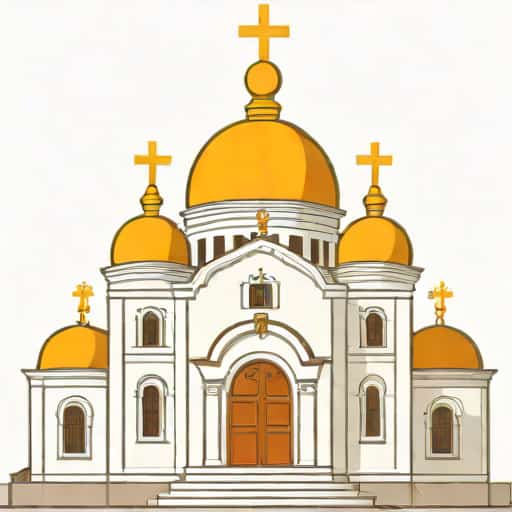
The Ukrainian Catholic Church of the Transfiguration represents both a religious and cultural symbol for the Ukrainian Greek Catholic community. It stands as a spiritual center that bridges Eastern Christian tradition and Western Catholic unity. Rooted in centuries of faith, resilience, and identity, this church embodies the deep devotion of Ukrainian Catholics while preserving their distinctive liturgical heritage. Understanding its origins, architecture, and significance allows us to appreciate its role in the wider context of Ukrainian religious life and the global Catholic Church.
Historical Background of the Ukrainian Catholic Church
The Ukrainian Catholic Church, officially known as the Ukrainian Greek Catholic Church (UGCC), traces its roots back to the Union of Brest in 1596. At that time, a number of bishops from the Orthodox Church in Ukraine entered into full communion with the Roman Catholic Church, while maintaining their Eastern liturgy, spirituality, and traditions. This act created a bridge between Eastern Orthodoxy and Roman Catholicism, forming what would later become one of the largest Eastern Catholic Churches in the world.
Over the centuries, Ukrainian Catholics endured significant challenges, including political persecution, wars, and restrictions under Soviet rule. Despite this, their faith remained strong, and churches like the Church of the Transfiguration became symbols of endurance and unity. Today, these churches represent the revival of faith and national identity within the Ukrainian diaspora and homeland alike.
The Church of the Transfiguration Meaning and Dedication
The name Church of the Transfiguration refers to one of the most significant events in the life of Jesus Christ the Transfiguration on Mount Tabor, where His divine nature was revealed to His disciples. This event symbolizes enlightenment, revelation, and transformation, themes deeply meaningful to the Ukrainian Catholic faith. For Ukrainian believers, the Church of the Transfiguration serves as both a physical and spiritual place of renewal, where light triumphs over darkness and faith strengthens amidst trials.
Symbolism in the Transfiguration
The Transfiguration story highlights the connection between the human and divine, an essential concept in Eastern Christian theology. Ukrainian Catholic churches dedicated to this mystery often emphasize this symbolism in their liturgical art and design. The light of Christ, depicted in icons and architecture, reminds parishioners of their own spiritual transformation through faith and grace.
Architectural and Artistic Features
The Ukrainian Catholic Church of the Transfiguration typically combines traditional Byzantine elements with Western architectural influences. This unique synthesis reflects the dual identity of the Ukrainian Greek Catholic Church itself Eastern in ritual and Western in communion. The structure often includes domes, symbolic iconography, and a richly decorated iconostasis separating the sanctuary from the nave.
Inside the church, the atmosphere is filled with a sense of sacred beauty. Iconography plays a central role, serving not just as decoration but as a theological expression of faith. Every image tells a story from Christ’s Transfiguration to the lives of saints, martyrs, and the Virgin Mary, who holds a special place in Ukrainian spirituality.
Common Design Elements
- Domes and CrossesSymbolizing heaven and divine protection over the faithful.
- IconostasisA wall of icons representing the meeting point between heaven and earth.
- Liturgical ColorsGold, blue, and white are often used to convey divinity, purity, and resurrection.
- Traditional MotifsFloral and geometric patterns inspired by Ukrainian folk art and embroidery.
Through these artistic choices, the Church of the Transfiguration not only serves as a place of worship but also as a cultural treasure preserving Ukrainian art and heritage.
Spiritual and Cultural Importance
The Ukrainian Catholic Church of the Transfiguration holds great importance for both the local faithful and the Ukrainian diaspora. It provides a space for worship, community gathering, and cultural preservation. Many of these churches serve as community centers, where Ukrainian language, music, and traditions are taught and celebrated.
In the broader sense, this church represents unity between Eastern and Western Christianity, between old traditions and new generations, and between faith and national identity. For many Ukrainians living abroad, the Church of the Transfiguration acts as a link to their homeland and ancestors, a reminder of their roots and spiritual legacy.
Role in the Ukrainian Diaspora
In countries such as Canada, the United States, and Australia, Ukrainian Catholic Churches of the Transfiguration have become landmarks of faith and culture. These parishes often emerged as immigrant communities grew, offering comfort and familiarity to those far from home. They also foster intergenerational connections, ensuring that younger Ukrainians maintain their religious and cultural traditions.
Liturgical Life and Worship
Worship in the Ukrainian Catholic Church of the Transfiguration follows the Byzantine Rite, characterized by rich rituals, chants, and incense. The Divine Liturgy of St. John Chrysostom is the central act of worship, celebrated in both Ukrainian and sometimes local languages. The liturgy involves deep participation from the congregation, emphasizing unity between priest and people.
Major feast days, such as the Feast of the Transfiguration (celebrated on August 6), hold special significance. On this day, grapes and other fruits are blessed, symbolizing the transfigured life of believers. The ceremony reminds the faithful of Christ’s divine light and the call to spiritual transformation.
Other Key Religious Activities
- Regular Divine Liturgies and Vespers
- Confession and Holy Communion
- Catechism and Bible study classes
- Community outreach and charity programs
- Traditional Ukrainian festivals and holiday observances
These practices reinforce the spiritual foundation of the community and ensure that the faith remains vibrant and relevant across generations.
The Church’s Role in Modern Society
Today, the Ukrainian Catholic Church of the Transfiguration continues to adapt to modern challenges while maintaining its sacred traditions. It stands as a beacon of hope amid social, political, and economic uncertainty. In recent years, the church has also played a humanitarian role, offering support and prayer for those affected by conflicts in Ukraine.
Through social programs, youth initiatives, and charitable works, the church embodies the message of Christ’s transformation turning faith into action. It reminds believers that spiritual life extends beyond ritual; it is about living with compassion, justice, and integrity.
Embracing Modern Communication and Education
Many Ukrainian Catholic parishes, including those dedicated to the Transfiguration, now use modern tools such as online streaming of services, digital newsletters, and educational webinars. This adaptation helps reach younger generations and those unable to attend in person, especially in times of global crisis or migration. Despite these changes, the essence of worship remains rooted in centuries-old liturgy and prayer.
Preserving Faith and Identity for the Future
The enduring legacy of the Ukrainian Catholic Church of the Transfiguration lies in its ability to balance continuity and renewal. It preserves the sacred rituals and languages of the past while opening its doors to contemporary expressions of faith. By fostering education, cultural pride, and spiritual formation, it ensures that the Ukrainian Catholic identity continues to thrive in the modern world.
Moreover, the church serves as a living reminder that faith transcends boundaries of geography and time. Whether standing in a small Ukrainian village or a bustling city abroad, each Church of the Transfiguration reflects the same truth transformation through faith is at the heart of Christian life.
The Ukrainian Catholic Church of the Transfiguration stands as a symbol of light, unity, and spiritual renewal. Rooted in the heritage of the Ukrainian Greek Catholic tradition, it represents centuries of faith, struggle, and perseverance. Its architecture, liturgy, and community life embody the meaning of the Transfiguration revealing divine beauty in human experience. More than a building, it is a spiritual home where faith and culture meet, inspiring generations to live with hope, devotion, and love for God and humanity.