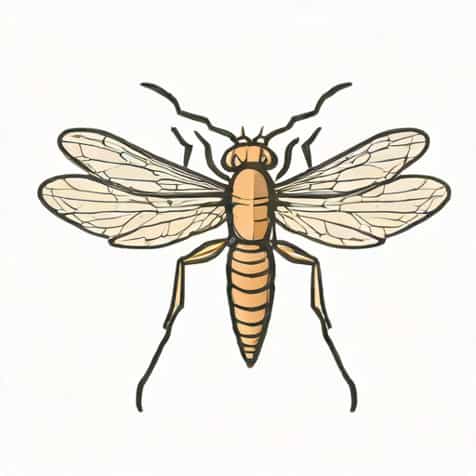
The female Anopheles mosquito plays a crucial role in the transmission of malaria, making it one of the most significant vector species in public health. Unlike male mosquitoes, female Anopheles mosquitoes require blood meals to develop their eggs, which directly links them to the spread of Plasmodium parasites, the causative agents of malaria. Understanding the biology, behavior, and ecological significance of female Anopheles mosquitoes is essential for developing effective vector control strategies and reducing the global burden of malaria. This topic explores the characteristics, life cycle, and vectorial capacity of female Anopheles mosquitoes.
Biology of Female Anopheles Mosquitoes
Female Anopheles mosquitoes exhibit several biological traits that make them efficient vectors of disease. Adult females are typically larger than males and possess specialized mouthparts adapted for blood-feeding. The proboscis, a long, needle-like structure, allows them to pierce the skin of vertebrate hosts and access blood vessels. Blood meals provide essential nutrients, primarily proteins and iron, necessary for egg development. In the absence of a blood meal, female Anopheles mosquitoes feed on nectar and other plant sugars for survival.
Life Cycle and Development
The life cycle of female Anopheles mosquitoes consists of four stages egg, larva, pupa, and adult. Female mosquitoes lay eggs on the surface of clean, stagnant water, where the eggs hatch into larvae. Larvae are aquatic and feed on microorganisms, detritus, and organic material. After several molts, the larvae develop into pupae, which eventually emerge as adult mosquitoes. Adult females typically live for two to four weeks, depending on environmental conditions such as temperature, humidity, and availability of hosts for blood meals.
Vectorial Capacity of Female Anopheles Mosquitoes
The ability of female Anopheles mosquitoes to transmit malaria is influenced by several factors collectively referred to as vectorial capacity. This includes their lifespan, feeding behavior, host preference, and the extrinsic incubation period of the parasite. Longer-lived females have a higher chance of acquiring and transmitting Plasmodium parasites, as the parasite requires time to develop within the mosquito before it can be transmitted to another host.
Host-Seeking Behavior
Female Anopheles mosquitoes exhibit sophisticated host-seeking behaviors that enable them to locate suitable vertebrate hosts. They rely on sensory cues such as carbon dioxide, body heat, and skin odors to detect potential hosts. Some species are anthropophilic, preferring humans, while others may feed on animals. The feeding frequency and preference of female mosquitoes directly impact malaria transmission dynamics within a population.
Blood-Feeding and Egg Development
After obtaining a blood meal, female Anopheles mosquitoes undergo a process called vitellogenesis, where nutrients from the blood are converted into yolk proteins for egg development. Typically, a single blood meal can support the development of one batch of eggs, which can range from 50 to 200 eggs depending on the species. Following oviposition, females seek another blood meal to initiate the next reproductive cycle. This repeated feeding behavior increases opportunities for malaria transmission.
Environmental Factors Affecting Female Anopheles Mosquitoes
The survival, reproduction, and vectorial capacity of female Anopheles mosquitoes are influenced by various environmental factors. Temperature plays a critical role in mosquito metabolism and the development rate of both mosquitoes and Plasmodium parasites. High humidity is favorable for survival, while dry conditions can reduce adult mosquito lifespan. Stagnant water sources, such as puddles, ponds, and artificial containers, provide breeding sites essential for the continuation of their life cycle.
Seasonality and Malaria Transmission
Female Anopheles mosquito populations fluctuate seasonally, which directly affects malaria transmission patterns. In tropical regions, mosquito populations may remain relatively constant throughout the year, while in temperate areas, seasonal variations in temperature and rainfall influence breeding and survival. Understanding these seasonal dynamics is crucial for implementing timely vector control interventions and reducing malaria outbreaks.
Vector Control Strategies Targeting Female Anopheles Mosquitoes
Effective malaria control relies heavily on targeting female Anopheles mosquitoes due to their role as disease vectors. Several strategies are employed to reduce mosquito populations and limit transmission
Insecticide-Treated Nets (ITNs)
ITNs are designed to protect individuals from mosquito bites during sleep. Female mosquitoes attempting to feed on humans come into contact with insecticide-treated fabric, which reduces survival rates and limits malaria transmission. Widespread use of ITNs has significantly decreased malaria incidence in endemic regions.
Indoor Residual Spraying (IRS)
IRS involves applying long-lasting insecticides to the interior walls of homes. Female Anopheles mosquitoes resting indoors after blood meals are exposed to the insecticide, which reduces their lifespan and prevents the completion of the parasite’s incubation period. This method is highly effective in areas with indoor-resting mosquito species.
Larval Source Management
Controlling breeding sites by draining stagnant water, introducing larvivorous fish, or applying larvicides targets the aquatic stages of female mosquitoes. Reducing the number of emerging adults decreases overall mosquito density and vectorial capacity.
Genetic and Biological Control
Emerging strategies include releasing genetically modified mosquitoes or utilizing Wolbachia bacteria to reduce mosquito fertility or interfere with Plasmodium development. These approaches focus specifically on female mosquitoes to disrupt the reproductive cycle and reduce malaria transmission potential.
Importance of Research on Female Anopheles Mosquitoes
Studying female Anopheles mosquitoes is essential for understanding malaria epidemiology and developing effective interventions. Research focuses on mosquito behavior, physiology, genetics, and interactions with Plasmodium parasites. Insights gained from such studies guide public health policies, optimize vector control programs, and inform predictive models for malaria transmission risk.
Challenges in Controlling Female Mosquitoes
Female Anopheles mosquitoes exhibit adaptive behaviors, such as feeding outdoors or at varying times, which can limit the effectiveness of traditional control methods like ITNs and IRS. Insecticide resistance also poses a significant challenge, necessitating continuous monitoring and development of alternative control strategies.
Female Anopheles mosquitoes are central to malaria transmission due to their blood-feeding behavior and ability to support Plasmodium parasite development. Understanding their biology, life cycle, environmental influences, and vectorial capacity is crucial for designing effective malaria control strategies. Targeted interventions, including insecticide-treated nets, indoor residual spraying, larval source management, and innovative genetic approaches, focus on reducing female mosquito populations and interrupting the malaria transmission cycle. Continued research and adaptive control measures are essential to combat malaria and improve global public health outcomes.