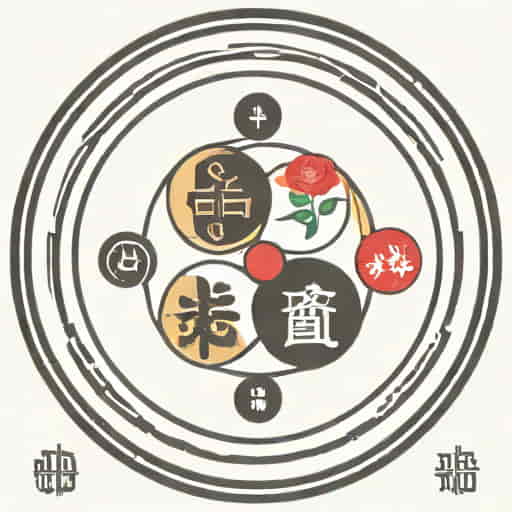
Confucianism, Legalism, and Daoism are three major philosophical systems that have profoundly shaped Chinese thought, culture, and governance. Although each philosophy presents distinct principles and approaches to life, society, and the state, they also share certain values and concerns. A Venn diagram is a helpful tool to visualize both the differences and similarities among these traditions. By examining their ethical guidelines, political theories, and approaches to human nature, one can gain a clearer understanding of how these philosophies complement, contrast, and influence one another.
Confucianism Principles and Beliefs
Confucianism, founded by Confucius (Kong Fuzi) around the 5th-6th century BCE, emphasizes morality, social harmony, and the cultivation of virtuous character. Central to Confucian thought are concepts such as ren (humaneness), li (ritual propriety), and xiao (filial piety). Confucianism prioritizes ethical behavior, education, and hierarchical relationships within families and society. The philosophy advocates that a well-ordered society arises from the moral cultivation of rulers and citizens rather than from coercive laws.
Key Features of Confucianism
- Focus on ethics and moral virtue.
- Importance of family, respect for elders, and social hierarchy.
- Belief in the role of education in personal and societal development.
- Emphasis on harmonious relationships over strict legal enforcement.
Legalism Principles and Beliefs
Legalism, associated with thinkers like Han Feizi, emerged during the Warring States period in China. Legalism emphasizes strict laws, central authority, and the use of rewards and punishments to maintain order. Unlike Confucianism, Legalism views human nature as inherently selfish and believes that ethical persuasion alone is insufficient to maintain social stability. Legalists advocate for a strong, authoritarian state in which law and state control are paramount.
Key Features of Legalism
- Belief in strict laws and enforcement mechanisms.
- Focus on centralized government and political authority.
- Use of rewards and punishments to control behavior.
- View that human nature is selfish and requires regulation.
Daoism Principles and Beliefs
Daoism (Taoism), associated with Laozi and the Dao De Jing, presents a philosophy of natural harmony, simplicity, and alignment with the Dao (the Way). Daoism emphasizes living in accordance with nature, spontaneity, and non-interference. Unlike Confucianism and Legalism, Daoism often advocates minimal government intervention and stresses the importance of personal spiritual cultivation and balance.
Key Features of Daoism
- Emphasis on natural order and harmony with the Dao.
- Focus on simplicity, spontaneity, and personal balance.
- Advocacy of minimal governmental intervention.
- Belief in aligning actions with nature rather than rigid social rules.
Venn Diagram of Confucianism, Legalism, and Daoism
When represented in a Venn diagram, the three philosophies can be compared by identifying their unique aspects and overlapping principles. While each has distinct approaches, there are areas of intersection in their views on governance, human behavior, and societal order.
Unique Features of Each Philosophy
- ConfucianismEthical cultivation, filial piety, social rituals, education.
- LegalismStrict laws, centralized control, punishment and reward system, skepticism of innate human goodness.
- DaoismHarmony with nature, minimal intervention, simplicity, spiritual cultivation.
Overlapping Principles
Although Confucianism, Legalism, and Daoism differ, they share certain concerns
- Confucianism and LegalismBoth are concerned with order and governance, but Confucianism emphasizes moral leadership while Legalism stresses law and enforcement.
- Confucianism and DaoismBoth value harmony, though Confucianism focuses on societal harmony and Daoism on harmony with nature.
- Legalism and DaoismBoth recognize the limitations of human behavior Legalism imposes laws to control it, while Daoism encourages alignment with natural tendencies.
- All Three PhilosophiesEach addresses ways to create a well-ordered life or society, whether through ethics, law, or natural alignment.
Applications of Understanding the Venn Diagram
Using a Venn diagram to analyze Confucianism, Legalism, and Daoism helps students, historians, and policymakers understand the nuances of Chinese thought. This method clarifies where these philosophies agree, where they conflict, and how they complement each other. For instance, Chinese dynasties often blended these philosophies, applying Confucian moral principles in governance, Legalist laws to enforce order, and Daoist ideals to encourage natural balance and spirituality.
Historical Context
Throughout Chinese history, rulers adapted elements of all three philosophies to achieve stability and prosperity. The Han dynasty, for example, incorporated Confucian ethics in its educational and bureaucratic systems while retaining Legalist administrative structures. Daoism influenced cultural and spiritual practices, contributing to medicine, art, and environmental awareness. The Venn diagram approach makes these integrations easier to conceptualize and study.
Modern Relevance
Understanding the overlapping and distinct elements of these philosophies remains relevant today. Educators can use this framework to teach ethics, governance, and philosophy. Leaders may draw on Confucian values to foster ethical leadership, employ Legalist principles in organizational management, and apply Daoist ideas to encourage work-life balance and sustainability. Recognizing the intersections and divergences also promotes cross-cultural understanding and philosophical literacy.
A Venn diagram of Confucianism, Legalism, and Daoism offers a clear visualization of the similarities and differences among these foundational Chinese philosophies. Confucianism emphasizes morality, education, and social harmony. Legalism prioritizes law, order, and centralized authority. Daoism focuses on natural harmony, simplicity, and minimal interference. Their overlapping principles reveal shared concerns about human behavior, societal order, and governance. By using the Venn diagram, one can better understand how these philosophies shaped Chinese culture, influenced historical governance, and continue to provide insights for contemporary ethical and administrative thought.