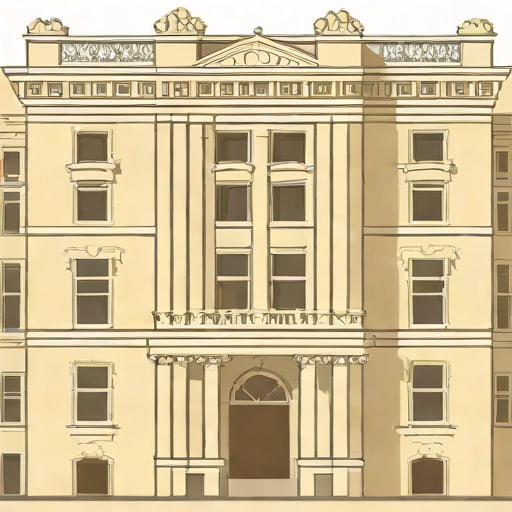
The Vienna Secessionist Building is one of the most iconic architectural landmarks in Vienna, Austria, representing a pivotal moment in the history of modern art and architecture. Built in 1897 by a group of artists who wanted to break away from traditional academic art styles, the building became the headquarters of the Vienna Secession, an influential movement that promoted innovative art, design, and architecture. Known for its distinctive golden dome, geometric forms, and elegant simplicity, the Vienna Secessionist Building continues to attract art enthusiasts, historians, and tourists from around the world. Its design reflects a combination of functionality, artistic vision, and progressive thinking that defined the Secessionist movement in the late 19th and early 20th centuries.
Historical Background of the Vienna Secession
The Vienna Secession movement emerged at the end of the 19th century as a response to conservative artistic institutions in Austria. Artists like Gustav Klimt, Koloman Moser, and Joseph Maria Olbrich sought to create a platform where innovative and experimental art could thrive. The Vienna Secessionist Building was constructed to serve as a gallery and meeting space for these forward-thinking artists, embodying the ideals of artistic freedom, modernity, and collaboration. The building’s creation marked a turning point in European art history, influencing movements such as Art Nouveau, Jugendstil, and modernist architecture across the continent.
Founding Members and Artists
- Gustav Klimt – renowned painter and key figure in the Secession movement
- Joseph Maria Olbrich – architect and designer of the Secessionist Building
- Koloman Moser – artist and designer known for decorative works
- Max Kurzweil – painter and Secessionist advocate
- Other prominent Austrian artists seeking innovative artistic expression
Architectural Design and Features
The Vienna Secessionist Building stands out for its innovative design, combining functional architecture with symbolic and aesthetic elements. Designed by Joseph Maria Olbrich, the building features a minimalist yet elegant facade, emphasizing geometric forms, clean lines, and harmony between interior and exterior spaces. Its most recognizable feature is the golden dome, composed of gilded laurel leaves, which symbolizes artistic achievement and victory. The building also incorporates sculptural decorations, including ornamental friezes and reliefs, which enhance its visual appeal while maintaining a modernist sensibility. The careful attention to proportion, detail, and artistic integration reflects the Secessionist belief in the unity of art and architecture.
Key Architectural Elements
- Golden dome symbolizing artistic achievement
- Geometric shapes and minimalistic facade design
- Ornamental friezes and sculptural reliefs
- Spacious interior galleries designed for art exhibitions
- Integration of functional design with aesthetic innovation
Interior Design and Art Exhibitions
The interior of the Vienna Secessionist Building is designed to showcase contemporary art in a way that emphasizes both accessibility and artistic impact. Large, open gallery spaces allow for versatile exhibitions, accommodating paintings, sculptures, and decorative arts. The interior features ornamental elements that complement the artworks, including murals, frescoes, and detailed moldings created by Secessionist artists. Notable exhibitions, such as Klimt’s Beethoven Frieze, are permanently displayed in the building, attracting art enthusiasts from around the globe. The thoughtful design of the interior ensures that visitors can experience the art in a harmonious and immersive environment.
Notable Exhibitions
- Klimt’s Beethoven Frieze – a celebrated example of Secessionist art
- Permanent collections of Secessionist paintings and decorative arts
- Rotating contemporary art exhibitions promoting modern innovation
- Architectural and design-focused exhibitions highlighting Secessionist principles
- Special events and retrospectives of Austrian artists
Impact on Modern Art and Architecture
The Vienna Secessionist Building had a profound impact on both art and architecture, setting a precedent for modernist design principles in Europe. Its emphasis on artistic freedom, geometric simplicity, and integration of visual arts with architecture influenced the development of Art Nouveau and later modernist movements. Architects and designers across Europe drew inspiration from the Secessionist Building’s innovative use of space, light, and decorative elements. Beyond architecture, the building became a symbol of progressive thinking in art, promoting experimentation and challenging traditional norms that dominated the art world at the turn of the century.
Influence on Artistic Movements
- Inspired Art Nouveau and Jugendstil design principles
- Encouraged experimentation in visual arts and decorative arts
- Promoted integration of architecture, sculpture, and painting
- Influenced modernist architects across Europe
- Set a model for artist-run galleries and cultural institutions
Visiting the Vienna Secessionist Building
Today, the Vienna Secessionist Building remains a prominent cultural landmark and a popular destination for tourists and art enthusiasts. Visitors can explore permanent and temporary exhibitions, admire the architectural details, and learn about the history of the Secessionist movement. Guided tours and educational programs offer in-depth insights into the building’s design, the artists involved, and its historical significance. The site also hosts special events, lectures, and workshops that promote understanding and appreciation of modern art and architecture.
Visitor Highlights
- Explore permanent exhibitions including Klimt’s works
- Experience rotating contemporary art exhibitions
- Guided tours explaining architectural and historical significance
- Educational programs for students and art enthusiasts
- Special events and workshops related to art and design
Preservation and Cultural Importance
The Vienna Secessionist Building is not only an architectural masterpiece but also a vital cultural heritage site. Efforts to preserve the building ensure that its design, structural integrity, and artistic elements remain intact for future generations. The building continues to symbolize innovation, creativity, and the enduring influence of the Vienna Secession movement. Its preservation allows scholars, artists, and visitors to study and appreciate the historical and artistic contributions of the Secessionists, maintaining the building’s role as both a museum and a source of inspiration in the art world.
Preservation Efforts
- Regular maintenance of architectural and structural elements
- Restoration of ornamental and decorative features
- Protection of permanent artworks and exhibitions
- Educational initiatives to promote historical understanding
- International recognition as a cultural and architectural landmark
The Vienna Secessionist Building stands as a testament to the power of artistic innovation and architectural excellence. From its golden dome to its carefully designed galleries, the building embodies the ideals of the Secessionist movement and continues to inspire artists, architects, and visitors around the world. Its historical, cultural, and artistic significance makes it a key landmark in Vienna, showcasing the importance of creativity, experimentation, and the integration of art and architecture. Whether admired for its exterior design, interior exhibitions, or cultural impact, the Vienna Secessionist Building remains a symbol of progressive art and enduring beauty.