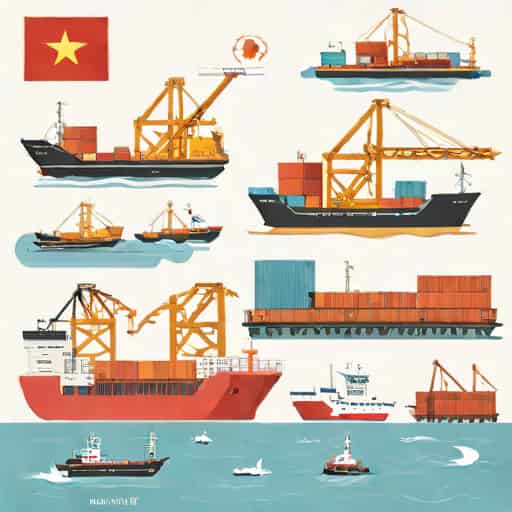
The Vietnam International Transshipment Port Project represents a significant milestone in the country’s efforts to become a regional hub for global maritime trade. Positioned strategically along the South China Sea, this ambitious infrastructure initiative aims to enhance Vietnam’s logistical capacity, streamline international shipping operations, and strengthen the nation’s position in the competitive global supply chain. With increasing global trade volumes and growing demand for efficient port services, the development of a state-of-the-art transshipment facility is expected to attract international shipping lines, reduce transit times, and boost economic growth in surrounding regions. The project highlights Vietnam’s commitment to modernizing its maritime infrastructure while creating opportunities for both domestic and foreign investment.
Strategic Importance of the Project
The Vietnam International Transshipment Port Project holds strategic significance for several reasons. Firstly, Vietnam’s location along key global shipping routes provides a natural advantage for transshipment activities. By establishing a modern transshipment hub, the country can serve as a vital link connecting East Asia, Southeast Asia, and beyond. Secondly, the port is expected to alleviate congestion at existing ports, ensuring smoother cargo handling and reducing delays for international shipping lines. This strategic positioning also makes Vietnam more attractive for multinational corporations looking to optimize their logistics networks and reduce shipping costs.
Infrastructure and Design Features
The port is being designed to accommodate large container ships and handle high cargo throughput efficiently. Advanced infrastructure components include deep-water berths, automated cargo handling systems, extensive storage facilities, and modern container yards. The layout prioritizes operational efficiency, with dedicated areas for container transshipment, storage, and customs processing. The design also incorporates environmentally friendly technologies, such as energy-efficient equipment, waste management systems, and measures to reduce carbon emissions, reflecting global trends in sustainable port development.
Economic Impact and Trade Facilitation
The economic impact of the Vietnam International Transshipment Port Project is expected to be substantial. By increasing cargo capacity and improving turnaround times, the port will attract additional shipping lines, boosting trade volumes. Local businesses will benefit from faster imports and exports, reducing supply chain costs and enhancing competitiveness. The project also encourages foreign investment in adjacent industrial zones, logistics centers, and supporting services, contributing to regional economic development. Moreover, it positions Vietnam as a central hub for transshipment in Southeast Asia, capable of competing with established regional ports in Singapore, Malaysia, and Thailand.
Employment and Skill Development
The construction and operation of the port will create numerous employment opportunities, both directly and indirectly. Skilled labor will be required for port operations, logistics management, and maintenance, while construction activities will generate jobs in engineering, project management, and supporting services. In addition, the project provides opportunities for skill development and training programs, enabling the local workforce to gain expertise in modern port management, maritime logistics, and technology-driven cargo handling systems. This emphasis on human capital development ensures that the benefits of the project extend beyond infrastructure and trade.
Technological Innovations
The Vietnam International Transshipment Port Project incorporates cutting-edge technologies to maximize efficiency and reliability. Automated cranes, real-time tracking systems, and advanced logistics software will ensure seamless cargo handling and minimize operational delays. Digital platforms will facilitate communication between shipping lines, customs authorities, and port operators, improving coordination and transparency. These technological innovations not only enhance operational efficiency but also provide valuable data analytics for continuous improvement, helping the port adapt to changing trade patterns and global market demands.
Environmental and Sustainability Considerations
Sustainability is a central focus of the project, addressing both environmental impact and long-term operational viability. Measures include eco-friendly construction practices, renewable energy integration, water and waste management systems, and strategies to minimize ecological disruption in surrounding marine and coastal areas. Additionally, the port’s design prioritizes energy efficiency, reducing greenhouse gas emissions associated with cargo handling and transportation. By aligning with international environmental standards, the Vietnam International Transshipment Port Project demonstrates a commitment to sustainable development while supporting economic growth.
Regional and Global Trade Integration
The port is expected to play a pivotal role in regional and global trade integration. By providing efficient transshipment services, it enables faster and more cost-effective movement of goods between countries, particularly in Southeast Asia. The facility will strengthen Vietnam’s trade links with major economies such as China, Japan, South Korea, and the United States, enhancing access to international markets. Additionally, the port supports regional economic cooperation initiatives, including ASEAN trade agreements and global supply chain networks, positioning Vietnam as a key logistics and maritime hub in the Asia-Pacific region.
Challenges and Risk Management
While the project offers significant benefits, it also faces challenges that require careful planning and management. Risks include potential delays in construction, fluctuations in global trade volumes, environmental concerns, and competition from other regional ports. Effective risk management strategies involve thorough feasibility studies, contingency planning, stakeholder collaboration, and adherence to international standards in construction and operations. By addressing these challenges proactively, the project can achieve its intended objectives and deliver long-term benefits to Vietnam and its trading partners.
Investment and Funding Structure
The Vietnam International Transshipment Port Project is funded through a combination of public and private investment, reflecting the strategic importance of the facility. Government support ensures alignment with national infrastructure and economic development goals, while private sector participation brings expertise in port management, logistics, and technology implementation. This public-private partnership model encourages efficiency, innovation, and financial sustainability, while sharing risks and responsibilities between stakeholders. The funding structure also attracts foreign investors seeking to capitalize on the growing maritime trade opportunities in the region.
Future Prospects and Expansion
Looking ahead, the port is designed with scalability in mind to accommodate future growth in cargo volumes and shipping traffic. Expansion plans include additional berths, extended container yards, and upgraded technological systems to support larger vessels and more complex logistics operations. The project also anticipates integration with inland transportation networks, such as rail and highway systems, enhancing connectivity and reducing transportation costs. By planning for long-term growth, the Vietnam International Transshipment Port Project ensures that the facility remains competitive and capable of supporting evolving global trade patterns.
The Vietnam International Transshipment Port Project is a transformative initiative with the potential to significantly enhance Vietnam’s role in global maritime trade. By combining advanced infrastructure, cutting-edge technology, sustainability measures, and strategic location advantages, the project is poised to attract international shipping lines, boost trade efficiency, and stimulate regional economic growth. Employment opportunities, skill development, and foreign investment further amplify the benefits, while careful risk management and planning ensure long-term success. As Vietnam positions itself as a central logistics hub in Southeast Asia, this port project represents a critical step toward achieving greater integration into the global supply chain and strengthening the country’s economic future.
Key Highlights
- The project enhances Vietnam’s strategic position along major international shipping routes.
- Advanced infrastructure and technology optimize cargo handling and logistics efficiency.
- Significant economic benefits include increased trade volumes, foreign investment, and regional development.
- Employment creation and skill development support human capital growth in the region.
- Sustainability measures ensure environmental protection and long-term operational viability.
- The port facilitates regional and global trade integration, strengthening Vietnam’s international connectivity.
- Future expansion plans ensure scalability and competitiveness in the global maritime industry.