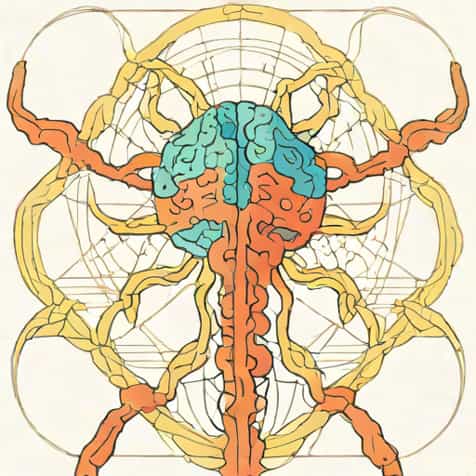
The human body functions seamlessly thanks to an intricate network of nerves that control everything from conscious movement to automatic processes we rarely notice. Among the most vital systems responsible for these automatic functions is the visceral autonomic nervous system. This system governs essential activities such as heart rate, digestion, breathing, and glandular secretions, all without requiring conscious thought. Understanding how the visceral autonomic nervous system works not only reveals the complexity of human physiology but also explains why imbalances in this system can affect overall health in significant ways.
What is the Visceral Autonomic Nervous System?
The visceral autonomic nervous system is a branch of the peripheral nervous system that manages involuntary functions. It is called visceral because it regulates the activity of internal organs such as the heart, lungs, stomach, intestines, and glands. Unlike voluntary muscle control, which relies on the somatic nervous system, the autonomic system operates automatically to keep the body in balance, ensuring that organs function efficiently regardless of conscious awareness.
Main Divisions
The visceral autonomic nervous system is divided into three major components
- Sympathetic nervous systemOften referred to as the fight or flight system, it prepares the body to respond to stress or danger.
- Parasympathetic nervous systemKnown as the rest and digest system, it helps conserve energy and promotes healing and relaxation.
- Enteric nervous systemSometimes called the second brain, it regulates digestive functions independently but also interacts with both sympathetic and parasympathetic branches.
Functions of the Visceral Autonomic Nervous System
This system regulates multiple internal processes that are essential for survival and day-to-day functioning. Without its constant activity, the body would not be able to maintain homeostasis or respond to environmental changes.
Cardiovascular Regulation
The autonomic system maintains heart rate and blood pressure. The sympathetic division increases heart rate and contracts blood vessels during stress, while the parasympathetic division slows the heart rate during rest.
Respiratory Control
Breathing rhythm is influenced by autonomic signals. For example, stress can increase breathing rate, while relaxation promotes slower, deeper breaths. This adjustment ensures that oxygen and carbon dioxide levels remain balanced.
Digestive System Regulation
The enteric division, along with parasympathetic influence, stimulates the digestive tract by increasing peristalsis and enzyme secretion. Meanwhile, the sympathetic system can slow digestion during emergencies to redirect energy toward muscles and the brain.
Glandular Secretions
Salivary glands, sweat glands, and other secretory organs respond to autonomic control. For instance, dry mouth during stress occurs because the sympathetic system suppresses salivary secretion, while relaxation restores normal saliva flow.
How the Visceral Autonomic Nervous System Maintains Balance
The system’s effectiveness comes from the interplay between its branches. Instead of working independently, the sympathetic and parasympathetic divisions counterbalance each other to maintain stability, a state known as homeostasis.
Examples of Balance
- During exercise, the sympathetic system increases heart rate, while parasympathetic activity gradually restores normal rhythm afterward.
- When facing danger, sympathetic activity dilates pupils for better vision, while parasympathetic activity later constricts them once the threat is gone.
- After a large meal, parasympathetic activity enhances digestion, while sympathetic activity reduces its influence to conserve energy for nutrient absorption.
Neurotransmitters and Communication
The visceral autonomic nervous system relies on chemical messengers to transmit signals between nerves and organs. The two most important neurotransmitters are acetylcholine and norepinephrine. Acetylcholine is mainly linked with parasympathetic functions, promoting calm and restorative actions, while norepinephrine is associated with sympathetic activity, driving alertness and energy mobilization.
Disorders of the Visceral Autonomic Nervous System
When the system does not function properly, individuals may experience a range of disorders. These conditions often manifest through irregular organ function and can significantly affect quality of life.
Common Disorders
- DysautonomiaA general term describing abnormal autonomic function, which may cause dizziness, fainting, or unstable blood pressure.
- Postural Orthostatic Tachycardia Syndrome (POTS)A condition where standing up triggers an unusually high heart rate.
- Irritable Bowel Syndrome (IBS)Strongly linked to autonomic dysfunction in the digestive system.
- Diabetic Autonomic NeuropathyNerve damage caused by diabetes that disrupts autonomic control of organs.
Influence of Stress on the System
Chronic stress places extra demand on the sympathetic nervous system, keeping the body in a prolonged fight or flight state. Over time, this imbalance can lead to high blood pressure, poor digestion, weakened immunity, and fatigue. Practicing stress management techniques can help restore balance between sympathetic and parasympathetic functions.
Ways to Support Healthy Autonomic Function
Although much of the visceral autonomic nervous system operates beyond conscious control, lifestyle choices can influence its health and balance. Simple practices can make a noticeable difference.
Healthy Lifestyle Tips
- Maintain regular physical activity to strengthen cardiovascular regulation.
- Practice relaxation techniques such as meditation, yoga, or deep breathing to encourage parasympathetic activity.
- Follow a balanced diet that supports gut health and the enteric nervous system.
- Ensure quality sleep, which allows the body to reset autonomic balance each night.
- Limit caffeine and alcohol, which can overstimulate or disrupt autonomic responses.
The Connection with the Brain
The visceral autonomic nervous system does not act in isolation. It works closely with higher brain centers such as the hypothalamus and brainstem, which coordinate responses to internal and external stimuli. This close link explains why emotions like fear, anxiety, or joy can immediately influence heart rate, breathing, and digestion.
Research and Future Insights
Scientists continue to explore the complexity of the visceral autonomic nervous system, especially its connection with mental health, gut-brain communication, and chronic diseases. Advances in neuroimaging and molecular biology are shedding light on how this system adapts, fails, or compensates under different conditions. These discoveries hold potential for new treatments targeting autonomic dysfunctions more effectively.
The visceral autonomic nervous system is essential for maintaining life and health by controlling internal organ function automatically. From regulating heartbeats to ensuring proper digestion, it provides the foundation for homeostasis. Imbalances in this system can result in various health issues, but lifestyle adjustments, medical care, and stress management can help restore balance. Understanding its role not only deepens appreciation for the body’s complexity but also highlights the importance of supporting nervous system health throughout life.