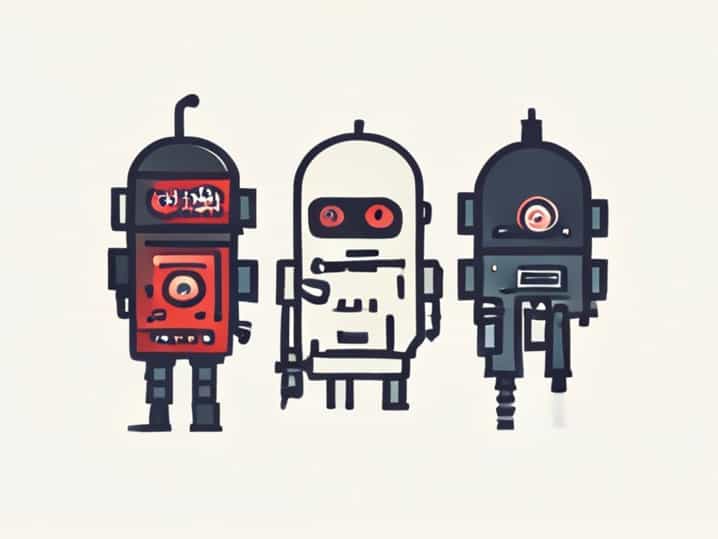
In today’s rapidly changing world, there is a growing concern that people are increasingly being treated as if they are incapable of independent thought, as if they are nothing more than programmed machines responding to instructions without reflection. This idea, that humans might somehow behave like unthinking droids, is not just a philosophical observation-it touches on everyday experiences, from the way we interact with technology to the pressures of modern workplaces and social systems. People often feel that their opinions are dismissed, their creativity overlooked, and their ability to make meaningful choices underestimated. However, the truth is clear we are not a bunch of unthinking droids. Our capacity for reasoning, empathy, and critical thinking sets us apart, and understanding this distinction is essential for both personal growth and societal development.
The Myth of the Unthinking Worker
Many workplaces operate under the assumption that employees will perform repetitive tasks without questioning procedures or offering suggestions for improvement. While efficiency and standardization are important in certain contexts, the idea that workers are merely cogs in a machine can lead to disengagement and dissatisfaction. People are naturally curious and capable of innovation, and treating them as unthinking entities can stifle creativity. Businesses that recognize employees as thoughtful contributors rather than robotic workers often see higher levels of productivity, engagement, and overall morale.
Encouraging Critical Thinking at Work
- Provide opportunities for employees to propose solutions and new ideas.
- Recognize and reward creative problem-solving instead of only following instructions.
- Foster an environment where questioning processes is welcomed, not discouraged.
Technology and the Illusion of Automation
In the digital age, there is a tendency to rely heavily on technology for decision-making, sometimes at the expense of human judgment. Algorithms and automated systems can perform tasks efficiently, but they lack the nuance, ethical reasoning, and empathy that humans bring to complex situations. The fear that people are becoming like unthinking droids is partly fueled by the overuse of technology to manage every aspect of life, from social interactions to workplace efficiency. Yet, humans remain essential for interpreting data, making informed decisions, and adapting to unexpected challenges-roles that no machine can fully replace.
The Human Edge in a Digital World
- Humans excel in creativity and problem-solving where algorithms cannot account for context or emotion.
- Critical thinking allows people to challenge automated decisions and prevent errors that machines might overlook.
- Empathy and social intelligence are uniquely human qualities that foster collaboration and understanding.
Education and Independent Thought
Education plays a pivotal role in shaping how individuals think and engage with the world. Systems that focus solely on memorization and standardized testing risk producing students who follow instructions without questioning or analyzing the material they are taught. By contrast, educational approaches that emphasize critical thinking, discussion, and exploration help students understand that they are capable of reasoning for themselves. The assertion that we are not a bunch of unthinking droids is particularly relevant in education because it reminds teachers and learners alike that curiosity and reasoning should be nurtured, not suppressed.
Promoting Independent Thinking in Schools
- Encourage open-ended questions and debates rather than just multiple-choice answers.
- Use project-based learning that requires students to explore solutions creatively.
- Teach critical evaluation of sources and evidence to develop analytical skills.
Social Pressure and Groupthink
Another factor that contributes to the perception of people as unthinking is social pressure. Groupthink occurs when individuals conform to a majority opinion without critically assessing the situation, often to avoid conflict or gain approval. While this is a natural human tendency, it does not mean that people lack independent thought. Awareness of this phenomenon allows individuals to resist blind conformity and assert their own reasoning. Recognizing that we are capable of critical analysis empowers us to challenge unjust or irrational practices within groups, communities, and organizations.
Strategies to Avoid Groupthink
- Encourage diverse perspectives and value dissenting opinions.
- Create a culture where questioning decisions is seen as constructive.
- Reflect on personal biases before agreeing with a group consensus.
Personal Empowerment and Self-Awareness
Understanding that we are not unthinking droids is crucial for personal development. Self-awareness allows individuals to recognize their own biases, strengths, and areas for improvement. By embracing independent thought, people can make deliberate choices about their careers, relationships, and personal goals. This empowerment also extends to ethical decision-making, as it enables individuals to act in alignment with their values rather than simply following routines or external pressures. When people realize that their judgment and creativity are valuable, they can navigate life with confidence and purpose.
Steps to Strengthen Independent Thinking
- Practice mindfulness and reflection to understand your thoughts and emotions.
- Read widely and explore perspectives different from your own.
- Engage in discussions that challenge your assumptions and encourage critical evaluation.
The idea that humans are simply unthinking droids is a misconception that undermines the unique capacities that define our species. From the workplace to education, technology, and social interactions, the ability to think critically, reason ethically, and act creatively is what allows individuals to thrive and contribute meaningfully to society. Recognizing our own potential for independent thought not only fosters personal growth but also strengthens communities and organizations. By asserting that we are not a bunch of unthinking droids, we remind ourselves of the importance of curiosity, reflection, and informed decision-making in every aspect of life.
Jika mau, aku bisa buat **versi versi kedua dengan 1200-1500 kata**, menambahkan lebih banyak contoh nyata, kutipan filosofis, dan istilah SEO seperti critical thinking, human autonomy, dan independent decision-making supaya artikel lebih optimal untuk mesin pencari.Apakah mau aku buat versi itu juga?