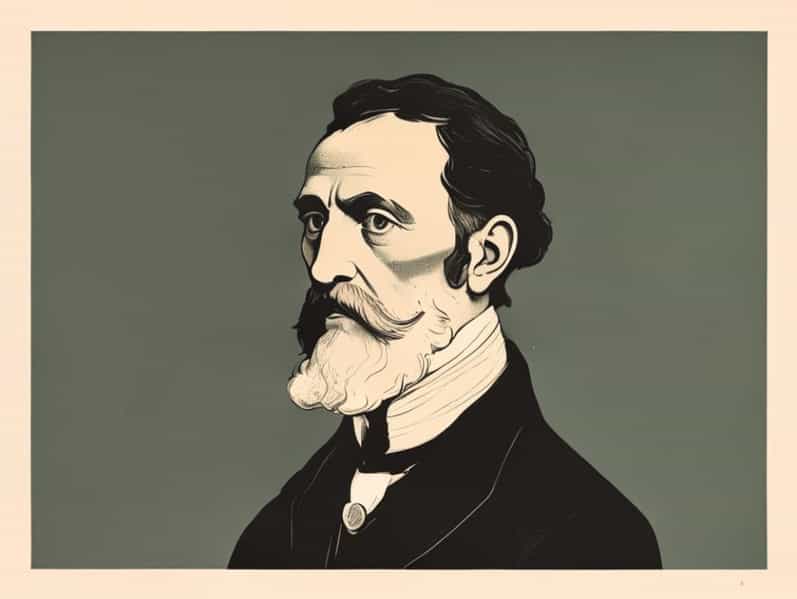
Gustave Courbet was a pivotal figure in 19th-century art whose work significantly influenced the trajectory of modern painting. Known for his bold, realistic depictions of everyday life, Courbet challenged the traditional academic standards and romanticized subjects that dominated French art at the time. By rejecting idealized portrayals of history, myth, and religion, Courbet turned his focus to ordinary people, rural landscapes, and contemporary social issues. His approach emphasized authenticity, detail, and the tangible realities of life, marking a radical departure from previous artistic conventions. Understanding the art movement that Courbet was part of provides insight into his philosophy, style, and the broader cultural shifts occurring in mid-19th-century Europe.
Realism The Defining Art Movement
Gustave Courbet is most closely associated with the Realism movement, which emerged in France during the 1840s and 1850s. Realism sought to depict life as it truly was, without embellishment or idealization. Courbet, as one of its leading figures, embodied this philosophy through his choice of subjects, techniques, and social commentary. Realist artists were committed to representing the visible world with honesty and precision, capturing both the beauty and harshness of everyday existence. By rejecting the artificiality of Romanticism and the grandiose narratives of history painting, Courbet and his contemporaries aimed to create a new, democratic art form that resonated with ordinary people.
Courbet’s Philosophy and Approach
Courbet’s artistic philosophy emphasized observation and direct experience. He believed that painting should reflect reality and express the conditions of contemporary life. His famous assertion that I cannot paint an angel because I have never seen one captures his commitment to depicting only what he could directly observe. This principle guided his choice of subjects, from peasants working in fields to urban laborers, and even controversial scenes such as executions or social struggles. Courbet’s focus on tangible reality distinguished him from many of his contemporaries and positioned him as a revolutionary figure in the development of modern art.
Major Works and Realist Themes
Many of Courbet’s masterpieces exemplify Realist ideals, blending careful observation with social awareness. One of his most famous works, The Stone Breakers (1849), depicts two laborers engaged in manual work, highlighting the physicality and monotony of rural labor. Another notable painting, A Burial at Ornans (1849-1850), portrays a provincial funeral on a massive scale, giving importance to common people rather than historical or religious figures. These works illustrate Courbet’s dedication to portraying ordinary life with dignity and accuracy, often prompting controversy for their rejection of idealized subjects.
Characteristics of Courbet’s Realism
- Focus on ordinary people and daily life rather than mythological or historical subjects.
- Emphasis on accuracy, detail, and texture in painting techniques.
- Rejection of idealization and artistic conventions of the French Academy.
- Inclusion of social and political commentary within the artwork.
- Large-scale compositions that elevate everyday subjects to a monumental status.
Influence on the Art World
Courbet’s Realism had a profound influence on both his contemporaries and subsequent generations of artists. By prioritizing observation and truth over idealization, he paved the way for later movements such as Impressionism and Naturalism. Artists like Édouard Manet and the Impressionists were inspired by Courbet’s bold approach to subject matter and his willingness to confront social realities. Beyond technique, Courbet’s defiance of traditional institutions, including his controversial exhibitions outside the official Salon, challenged the art establishment and encouraged greater artistic freedom.
Controversies and Social Impact
Courbet was not only a technical innovator but also a socially engaged artist. His work often provoked debate because it highlighted uncomfortable truths about society, including class disparity, labor conditions, and rural hardship. He participated in the political upheavals of his time, including the Paris Commune of 1871, and his art frequently reflected his commitment to social and political causes. This engagement reinforced the Realist movement’s emphasis on art as a mirror of contemporary life rather than a vehicle for escapism or mythological storytelling.
Courbet’s Techniques and Style
Courbet’s painting style reinforced his Realist philosophy. He favored a palette of natural colors and used thick, textured brushstrokes to convey the material reality of his subjects. His landscapes, for example, often depict unidealized scenery with attention to light, shadow, and natural forms. Courbet’s figure painting similarly emphasizes physical presence, weight, and volume, creating a sense of immediacy and authenticity. These stylistic choices allowed him to communicate the reality of his subjects with clarity and impact, differentiating his work from the polished, idealized surfaces favored by the academic tradition.
Legacy and Modern Relevance
The legacy of Gustave Courbet and the Realist movement remains significant in the contemporary art world. Realism’s focus on observation, truth, and social commentary continues to influence artists, photographers, and filmmakers. Courbet’s insistence on representing ordinary life has inspired generations to explore the everyday and the marginalized, fostering a more inclusive and reflective approach to art. Today, museums around the world celebrate his work as both technically masterful and socially important, cementing his place as a pioneer who bridged traditional painting and modern artistic sensibilities.
Gustave Courbet was a central figure in the Realism movement, revolutionizing 19th-century art by insisting on the truthful representation of contemporary life. His philosophy, techniques, and choice of subjects challenged conventional standards and brought attention to the lives of ordinary people. By rejecting romanticized and idealized imagery, Courbet created works that were both aesthetically powerful and socially meaningful. His influence on subsequent art movements and his lasting impact on modern visual culture underscore the significance of Realism and Courbet’s enduring relevance. Understanding the art movement that Courbet belonged to provides insight into a critical period in art history and highlights the transformative power of observation, honesty, and social engagement in artistic practice.