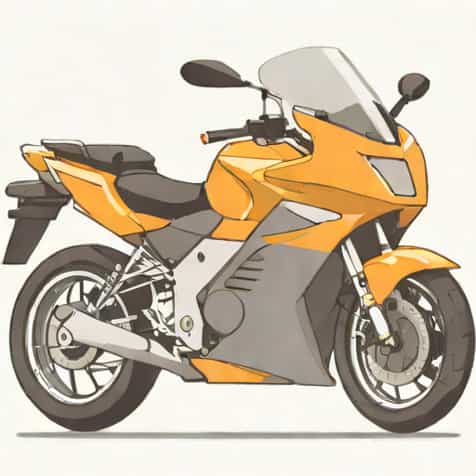
When people start learning about motorcycles, one of the parts that often raises questions is the fairing. Riders notice that some motorcycles have large body panels around the front or sides, while others expose most of the engine and frame. Understanding what is a fairing on a motorcycle helps riders appreciate not only the visual design of a bike but also its performance, comfort, and safety. Fairings play an important role in how a motorcycle behaves on the road, especially at higher speeds and longer distances.
Basic definition of a motorcycle fairing
A fairing on a motorcycle is a body panel, usually made from plastic, fiberglass, or carbon fiber, that is mounted to the frame or fork of the bike. Its main purpose is to reduce air resistance, protect the rider from wind, and sometimes shield important mechanical components. Fairings are commonly found on sport bikes, touring motorcycles, and some adventure models.
The word fairing comes from the idea of making something smoother or more aerodynamic. By guiding airflow around the motorcycle and rider, fairings improve efficiency and riding comfort.
Why fairings are important on motorcycles
To understand what is a fairing on a motorcycle, it is important to look at why manufacturers include them. Motorcycles are directly exposed to wind, weather, and road debris. Unlike cars, riders do not have a protective cabin, so design elements like fairings help compensate for that exposure.
Fairings are especially important for riders who travel at high speeds or spend long hours on the road. They help reduce fatigue by minimizing wind pressure on the rider’s chest and arms.
Main functions of a motorcycle fairing
- Reducing wind resistance and drag
- Improving fuel efficiency
- Enhancing rider comfort
- Protecting the engine and components
- Improving overall aerodynamics
Types of motorcycle fairings
There are several types of fairings, each designed for a specific riding style and motorcycle category. Knowing these types helps riders choose the right bike for their needs.
Front fairing
A front fairing is mounted around the headlight and handlebars. It mainly protects the rider from wind hitting the upper body. This type is common on sport and touring motorcycles.
Full fairing
A full fairing covers most of the front and sides of the motorcycle, including the engine area. Sport bikes often use full fairings to maximize aerodynamic performance. This design is especially helpful on racetracks and highways.
Half fairing
Half fairings cover only the upper portion of the motorcycle. They provide wind protection for the rider’s torso while leaving the engine partially exposed. Many standard and sport-touring bikes use this setup.
Lower fairing
Lower fairings are mounted below the engine. They help manage airflow and protect engine components from dirt, water, and debris. They also contribute to the visual balance of the motorcycle.
Batwing fairing
This type of fairing is commonly seen on cruiser and touring motorcycles. It is mounted to the handlebars and has a wide, rounded shape. Batwing fairings often include built-in windshields and instrument panels.
Materials used in motorcycle fairings
Another important part of understanding what is a fairing on a motorcycle is knowing what it is made of. Different materials offer different advantages in terms of weight, cost, and durability.
Most modern motorcycles use plastic-based fairings because they are lightweight and affordable. High-performance bikes may use more advanced materials.
Common fairing materials
- ABS plastic for durability and cost efficiency
- Fiberglass for custom and aftermarket fairings
- Carbon fiber for lightweight performance
- Composite materials for strength and flexibility
Aerodynamics and performance benefits
One of the biggest advantages of motorcycle fairings is improved aerodynamics. When air flows smoothly around the bike, there is less drag. This allows the motorcycle to reach higher speeds with less effort from the engine.
Reduced drag also means better fuel efficiency. Riders who frequently travel on highways often notice that fully faired motorcycles consume less fuel compared to naked bikes at the same speed.
Fairings and rider comfort
Comfort is a major reason many riders prefer motorcycles with fairings. Wind pressure can be exhausting, especially during long rides. A well-designed fairing redirects airflow away from the rider’s chest, shoulders, and helmet.
In cooler weather, fairings also provide some protection from cold air, making rides more pleasant. On touring motorcycles, fairings often work together with windshields and side panels to create a more comfortable riding environment.
Protection and safety considerations
While fairings are not safety devices in the same way helmets or protective gear are, they do offer some protective benefits. Fairings can shield the rider from small debris, insects, and road spray.
They also protect the engine and electrical components from rain and dirt. In the event of a minor fall, fairings may absorb some impact, although they can be expensive to repair or replace.
Fairings and motorcycle style
Fairings have a strong influence on the visual identity of a motorcycle. Sport bikes are instantly recognizable by their aggressive full fairings, while naked bikes are known for their exposed mechanical look.
Some riders choose motorcycles specifically because of how the fairing looks. Color schemes, shapes, and decals all contribute to a bike’s personality.
Aftermarket fairings and customization
Many riders choose to customize their motorcycles with aftermarket fairings. These can change the appearance, improve aerodynamics, or reduce weight. Custom fairings are popular in racing, where performance gains matter.
However, aftermarket fairings should be properly fitted. Poorly installed fairings can cause vibrations, noise, or reduced stability at high speeds.
Motorcycles without fairings
Not all motorcycles use fairings. Naked bikes, cruisers, and some classic models intentionally leave the engine and frame exposed. These bikes offer a more direct riding experience and a traditional aesthetic.
Riders who prefer city riding or lower speeds may not feel the need for extensive wind protection. Understanding what is a fairing on a motorcycle also means knowing that it is not essential for every riding style.
Choosing the right fairing setup
Choosing a motorcycle with the right fairing depends on how and where the bike will be used. Long-distance riders often benefit from full or touring fairings. Sport riders value aerodynamic advantages, while urban riders may prefer minimal or no fairings.
The best choice balances comfort, performance, maintenance costs, and personal taste.
A fairing on a motorcycle is much more than a decorative body panel. It plays a key role in aerodynamics, rider comfort, fuel efficiency, and overall riding experience. By understanding what is a fairing on a motorcycle, riders can make informed decisions when choosing or customizing their bikes. Whether fully enclosed or completely exposed, each motorcycle design reflects a specific purpose and style, making fairings an essential topic for anyone interested in motorcycling.
2/2