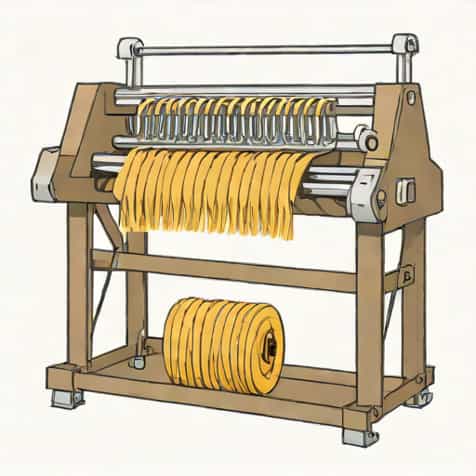
Knitting has been a popular craft for centuries, and over time, technology has made it easier to create intricate patterns and designs. One of the most versatile tools for knitters is a ribber knitting machine. These machines allow crafters to produce fabrics with complex textures, including ribbing and double-knit patterns, which are difficult to achieve by hand. Whether you are a hobbyist or a professional textile maker, understanding what a ribber knitting machine is and how it works can greatly enhance your knitting projects. This topic explores the features, functions, and advantages of using a ribber knitting machine in a way that is accessible to beginners and experienced knitters alike.
What Is a Ribber Knitting Machine?
A ribber knitting machine is an attachment for a standard knitting machine that allows the creation of ribbed or double-knit fabrics. Ribbing refers to the vertical textured patterns, such as 1×1 or 2×2 rib, commonly seen on cuffs, collars, and hems of garments. By adding a ribber carriage to a knitting machine, knitters can work with two sets of needles simultaneously, which enables the formation of more complex stitch patterns and produces fabrics that are stretchier and more durable. Essentially, the ribber knitting machine expands the possibilities of what can be created with a basic knitting machine.
How a Ribber Knitting Machine Works
The ribber knitting machine operates alongside the main knitting bed of a machine. It has its own set of needles arranged in a parallel position to the main bed. This allows knitters to manipulate stitches on both beds, producing alternating knit and purl stitches that form the characteristic ribbing. The ribber carriage moves across the ribber bed, coordinating with the main carriage to produce consistent patterns. Some ribber machines are manual, requiring the knitter to perform specific techniques, while others are more automated and can be programmed for complex designs.
Types of Ribber Knitting Machines
Ribber knitting machines come in various forms depending on the complexity of the fabric you want to create. Some common types include
- Single bed ribberBasic ribber attachments that allow simple 1×1 or 2×2 ribbing on a standard knitting machine.
- Double bed knitting machineMachines with integrated ribber beds, enabling the creation of both single-knit and double-knit fabrics without additional attachments.
- Electronic ribber machinesAdvanced machines that can be programmed to create intricate patterns automatically, reducing manual intervention.
- Manual ribber attachmentsThese require the knitter to control tension and stitch selection manually, offering more hands-on creative control.
Common Uses of a Ribber Knitting Machine
Ribber knitting machines are versatile tools that can be used for a variety of projects. Some popular applications include
- Garment edgesCreating ribbed cuffs, collars, and hems that stretch and return to shape easily.
- Double-knit fabricsProducing reversible fabrics that can feature different colors or textures on each side.
- Textured patternsCrafting complex stitch patterns such as cables, honeycomb, and mock cables.
- Hats and sleevesForming seamless tubular shapes with consistent ribbing.
- Home textilesMaking blankets, scarves, and other decorative fabrics with enhanced elasticity and durability.
Benefits of Using a Ribber Knitting Machine
Using a ribber knitting machine offers several advantages over hand knitting or standard single-bed machines. Some key benefits include
- SpeedMachines can knit faster than hand techniques, allowing larger projects to be completed in less time.
- ConsistencyRibber machines produce uniform stitches and tension, ensuring professional-quality results.
- ComplexityThey allow for intricate patterns that are difficult or time-consuming to knit by hand.
- VersatilityWith a ribber, knitters can create both ribbed fabrics and double-knit designs on the same machine.
- DurabilityRibbed fabrics produced on a machine are often more elastic and long-lasting than hand-knit equivalents.
Learning to Use a Ribber Knitting Machine
While ribber knitting machines offer many advantages, there is a learning curve for beginners. Understanding the mechanics of the ribber carriage, how to set needle positions, and how to coordinate the main and ribber beds is essential. Tutorials, workshops, and instructional books can provide step-by-step guidance. Starting with simple ribbing projects, such as cuffs or scarves, can help new users become comfortable before moving on to complex double-knit patterns. With practice, knitters can master the use of the ribber to produce high-quality fabrics efficiently.
Maintenance and Care
Proper maintenance is important to ensure a ribber knitting machine works smoothly. Regular cleaning of the needle beds, lubricating moving parts, and checking for bent or damaged needles can prevent malfunctions. Some machines require periodic adjustment of tension to maintain consistent stitch formation. Storing the machine in a dry, dust-free environment also helps prolong its lifespan. Taking care of the ribber and the main knitting machine ensures reliable performance and high-quality results in every project.
Choosing the Right Ribber Knitting Machine
When selecting a ribber knitting machine, consider factors such as skill level, project goals, and budget. Manual machines may be more affordable and offer hands-on control, while electronic machines are suitable for advanced users who want to create detailed, programmable patterns. Assessing needle size, stitch capacity, and compatibility with existing knitting equipment is also important. Reading reviews, consulting with experienced knitters, and attending demonstrations can help make an informed choice that meets your needs.
A ribber knitting machine is an invaluable tool for anyone interested in creating ribbed, double-knit, or complex textured fabrics. By adding a ribber bed to a standard knitting machine, knitters can achieve professional-quality results with greater speed, consistency, and versatility. From garment cuffs and collars to reversible double-knit fabrics, the possibilities are extensive. While there is a learning curve, proper instruction, practice, and maintenance make it possible for both hobbyists and professionals to unlock the full potential of a ribber knitting machine. Understanding its function, types, and applications can greatly enhance any knitting experience, making it a powerful addition to any textile enthusiast’s toolkit.