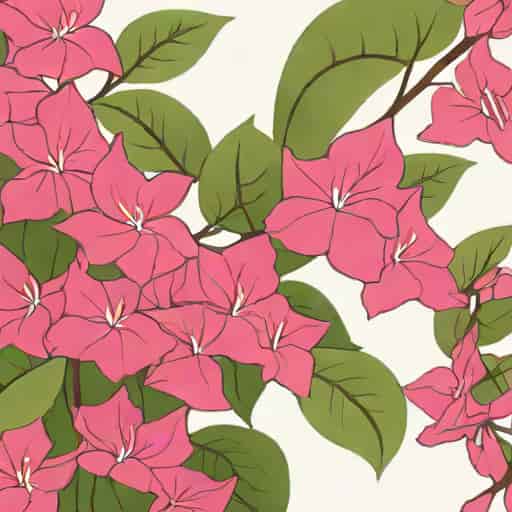
Bougainvillea flower is a vibrant and popular plant known for its colorful bracts that surround small, inconspicuous flowers. Often seen climbing walls, fences, or trellises, bougainvillea adds a striking visual appeal to gardens, landscapes, and indoor spaces in suitable climates. Native to South America, particularly Brazil, bougainvillea has become widely cultivated around the world due to its adaptability, long blooming periods, and low maintenance requirements. Understanding what bougainvillea flower is, its varieties, growth conditions, care tips, and uses can help gardeners and plant enthusiasts make the most of this stunning flowering plant. Its bright hues and hardy nature make it a favorite among both amateur and experienced gardeners seeking a splash of color in their surroundings.
Definition and Characteristics of Bougainvillea Flower
Bougainvillea flower is a member of the Nyctaginaceae family and is technically a woody vine or shrub. What makes it visually appealing are the colorful bracts, which are modified leaves that appear like petals. The actual flowers of bougainvillea are small, tubular, and usually white or yellow, nestled within the vibrant bracts. These bracts can range in color from magenta, purple, red, orange, pink, and white, creating a wide palette that enhances gardens and outdoor spaces.
Physical Features
Bougainvillea is known for several distinct physical features
- Climbing NatureBougainvillea vines can climb walls, trellises, and fences, often reaching heights of 10 to 40 feet depending on the variety.
- ThornsThe plant has small, sharp thorns along its stems, which require careful handling during pruning or maintenance.
- Evergreen or Semi-EvergreenIn tropical and subtropical climates, bougainvillea can retain its leaves year-round.
- Bracts and FlowersThe showy bracts surround the small, inconspicuous true flowers, giving the appearance of a full, colorful bloom.
- Drought ToleranceBougainvillea is well-suited for hot, dry climates and can withstand periods of minimal watering.
Varieties of Bougainvillea
There are many varieties of bougainvillea cultivated worldwide, each with unique characteristics and growth habits. Some of the most popular types include
Bougainvillea Glabra
This variety is known for its smooth, glossy leaves and abundant flowering. It is often used as a climbing plant for trellises and arbors and is one of the most widely cultivated species for landscaping.
Bougainvillea Spectabilis
Also called the great bougainvillea, this variety grows vigorously and produces large clusters of colorful bracts. It is often used in gardens for creating dense, flowering hedges or as a cascading vine over walls.
Bougainvillea Barbara Karst
This compact variety is ideal for container planting and smaller spaces. It blooms continuously and produces bright magenta or purple bracts, making it perfect for patios or indoor gardening in sunny areas.
Growth Conditions for Bougainvillea
Bougainvillea thrives in specific conditions that mimic its native tropical environment. To ensure healthy growth and vibrant blooms, it is important to consider the following factors
Sunlight
Bougainvillea requires full sunlight for at least 5 to 6 hours daily to produce abundant bracts. Insufficient sunlight may result in fewer blooms and slower growth.
Soil
The plant prefers well-drained, slightly acidic soil rich in organic matter. Sandy or loamy soils are ideal, as they allow excess water to drain away, preventing root rot.
Watering
Bougainvillea is drought-tolerant, but consistent watering during the growing season promotes vibrant blooms. It is important not to overwater, as soggy soil can damage roots. Allowing the soil to dry slightly between waterings encourages better flowering.
Temperature
Being a tropical plant, bougainvillea thrives in warm temperatures. It does not tolerate frost well and may require protection or indoor planting in colder climates.
Care and Maintenance
Proper care ensures that bougainvillea remains healthy and produces continuous blooms throughout the growing season. Key care practices include
- PruningRegular pruning encourages branching and more flowers. Remove dead or damaged branches and shape the plant as desired.
- FertilizationUsing a balanced fertilizer with high potassium content promotes flowering. Fertilize every few weeks during the growing season.
- Support StructuresVines benefit from trellises, arbors, or fences to climb, preventing sprawling and maintaining an organized growth pattern.
- Pest ManagementWatch for common pests such as aphids, caterpillars, or spider mites. Using insecticidal soap or neem oil can help control infestations.
- Container CareFor potted bougainvillea, ensure the container has drainage holes and use well-draining soil. Repotting every 2-3 years helps maintain plant health.
Uses of Bougainvillea Flower
Bougainvillea is versatile and widely used in landscaping, decoration, and even cultural practices. Some common uses include
Garden Landscaping
Bougainvillea is popular for creating colorful borders, climbing over trellises, or cascading from walls. Its vibrant bracts provide visual interest and make gardens appear lively throughout the blooming season.
Indoor and Container Planting
Smaller varieties can be grown in containers indoors or on balconies, bringing color to limited spaces. Proper sunlight and careful watering allow indoor bougainvillea to thrive.
Hedges and Privacy Screens
Dense-growing bougainvillea varieties can form natural hedges or privacy screens. Their thorns also act as a deterrent for unwanted animals or intruders.
Cultural and Decorative Use
In many regions, bougainvillea flowers are used in floral decorations, festivals, and symbolic arrangements. Their bright colors add beauty to weddings, ceremonies, and public displays.
Bougainvillea flower is a striking and adaptable plant that adds vibrant color and visual interest to gardens, landscapes, and indoor spaces. Known for its colorful bracts, climbing nature, and low maintenance requirements, it is ideal for tropical and subtropical regions. Understanding what bougainvillea flower is, the different varieties, ideal growth conditions, care practices, and uses helps gardeners cultivate healthy plants that bloom beautifully. Whether climbing a trellis, decorating a patio, or forming a flowering hedge, bougainvillea remains a favorite for its resilience, long blooming period, and stunning display of colors that enhance any space.