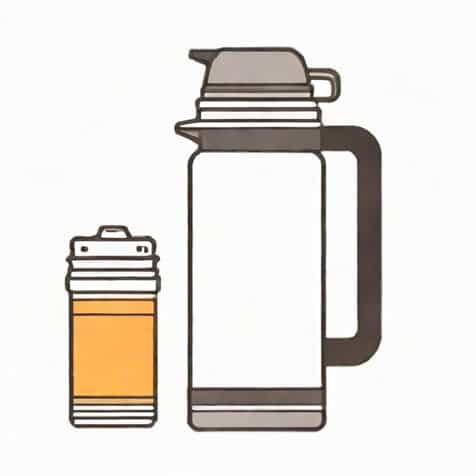
A thermos is a container designed to keep liquids or food hot or cold for extended periods of time, allowing people to enjoy beverages or meals at their preferred temperature long after preparation. This practical invention has become an essential item in daily life, used by students, workers, travelers, and outdoor enthusiasts. By understanding the definition of thermos, its history, design, and uses, one can appreciate how this simple yet ingenious device combines physics and convenience to solve everyday challenges. Thermoses are commonly used for coffee, tea, soup, and even ice-cold drinks, making them versatile and indispensable for modern lifestyles.
Definition of Thermos
A thermos, also known as a vacuum flask, is a container that minimizes heat transfer between its contents and the external environment. It achieves this by using a double-walled design, often with a vacuum between the walls, which prevents heat loss or gain through conduction, convection, and radiation. The term thermos is widely used to describe any container that keeps liquids hot or cold, though it originated as a brand name for a specific vacuum flask invented in the late 19th century. The thermos enables long-term storage of temperature-sensitive liquids, making it practical for work, travel, and outdoor activities.
History of the Thermos
The thermos was invented in 1892 by Sir James Dewar, a Scottish scientist who initially created the vacuum flask for laboratory use. Dewar designed it to store liquefied gases at very low temperatures without losing energy through heat transfer. Later, the vacuum flask was adapted for commercial use, and the brand name Thermos became synonymous with vacuum flasks in general. Over the decades, the design has been refined for everyday use, making thermoses accessible and popular worldwide. Today, they are available in various sizes, materials, and designs to cater to different needs and preferences.
Design and Functionality
The thermos works based on principles of insulation, particularly minimizing heat transfer through three mechanisms conduction, convection, and radiation. Its main features include
- Double-walled containerThe inner and outer walls are separated by a vacuum or insulating material to prevent heat transfer.
- Vacuum layerBy eliminating air between the walls, heat conduction and convection are significantly reduced.
- Reflective coatingSome thermoses have reflective surfaces inside the walls to minimize heat loss by radiation.
- Tight-sealing cap or lidPrevents heat exchange and maintains temperature for longer periods.
- Durable materialsThermoses are often made from stainless steel, glass, or plastic to withstand daily use and provide effective insulation.
Uses of a Thermos
Thermoses are versatile and serve multiple purposes in daily life, including
- Keeping beverages hotCoffee, tea, hot chocolate, or soup can remain warm for several hours.
- Maintaining cold drinksWater, juice, or iced tea can stay cold during travel, outdoor activities, or hot weather.
- Transporting mealsWarm meals like stews or pasta can be carried to work or school without losing temperature.
- Emergency preparednessA thermos can store hot liquids in situations where immediate heating is not available, such as camping or road trips.
- Medical and scientific applicationsThermoses are used in healthcare and laboratories to maintain controlled temperatures for samples or medicines.
Types of Thermoses
Thermoses come in various types designed to meet specific needs
- Classic vacuum flaskGlass or stainless steel inner lining for general hot or cold storage.
- Food thermosWider openings for soups, stews, or solid meals.
- Travel thermosPortable, spill-proof design for commuting or outdoor use.
- Sports thermosLightweight and durable, suitable for athletes or hikers.
- Children’s thermosFun designs with easy-to-open lids for school lunches or snacks.
Advantages of Using a Thermos
Using a thermos offers numerous benefits, making it a popular choice for people of all ages
- Temperature retentionKeeps drinks hot or cold for several hours, enhancing convenience.
- PortabilityAllows easy transport of beverages and meals without the need for additional heating or refrigeration.
- Cost-effectiveReduces the need to purchase drinks or meals outside, saving money.
- Environmental impactUsing a reusable thermos reduces disposable cup and bottle waste.
- VersatilitySuitable for home, office, school, travel, sports, and outdoor activities.
Care and Maintenance of a Thermos
To ensure a thermos functions effectively for a long time, proper care is essential. Tips include
- Clean regularly Wash the inner walls and lid to prevent odors or residue buildup.
- Avoid abrasive materials Use soft brushes or cloths to prevent damage to the lining.
- Preheat or precool Filling the thermos with hot or cold water for a few minutes before use can enhance temperature retention.
- Store with the lid off Prevents odors and allows the interior to dry completely.
- Check for leaks Ensure the lid and seals are intact to maintain insulation efficiency.
Common Misconceptions
Some misconceptions about thermoses include
- All thermoses keep liquids hot or cold indefinitely While thermoses extend temperature retention, heat or cold gradually dissipates over time.
- Plastic thermoses are less effective High-quality plastic thermoses with vacuum insulation can perform comparably to stainless steel versions.
- Thermoses are only for adults Thermoses are widely used for children’s meals, school lunches, and family outings.
A thermos is a highly practical container designed to maintain the temperature of liquids and food, making it an essential item for daily life, travel, and outdoor activities. Defined as a vacuum-insulated flask or container, the thermos uses advanced design principles to prevent heat transfer, ensuring beverages and meals remain hot or cold for extended periods. Its history, beginning with Sir James Dewar’s invention, highlights the combination of science and everyday utility. From coffee and soup to cold drinks and school lunches, thermoses are versatile, convenient, and environmentally friendly. Understanding the definition of thermos, its types, uses, and care ensures that users can maximize the benefits of this remarkable invention, making it a valuable tool in modern life.