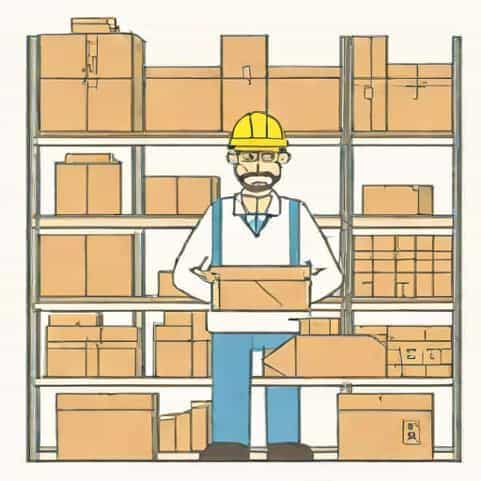
The role of a storekeeper is essential in ensuring the smooth operation of any organization that deals with inventory, supplies, or materials. A storekeeper is responsible for managing stock, maintaining records, and ensuring that goods are stored properly and are readily available when needed. This position requires attention to detail, organizational skills, and knowledge of inventory management techniques. Understanding the duties and responsibilities of a storekeeper is important for both employers and employees to ensure efficiency, reduce losses, and maintain a well-organized store environment.
Main Duties of a Storekeeper
Storekeepers have a variety of duties that revolve around managing inventory, monitoring stock levels, and facilitating the flow of materials. Their responsibilities may vary depending on the size of the organization, the type of goods, and the industry, but some core duties are common across most workplaces.
Receiving and Inspecting Goods
- Storekeepers are responsible for receiving goods from suppliers or manufacturers.
- They inspect items to ensure they meet quality standards and match purchase orders.
- Any damaged, missing, or incorrect items must be reported and handled according to company policies.
Storing and Organizing Inventory
- Proper storage of goods is crucial to prevent damage, spoilage, or loss.
- Storekeepers arrange items systematically, making it easy to locate and retrieve them when needed.
- They ensure that perishable goods are stored under appropriate conditions and that hazardous materials are handled safely.
Maintaining Inventory Records
- Accurate record-keeping is a key responsibility, including tracking the quantity, location, and movement of items.
- Storekeepers often use manual logs or computerized inventory management systems.
- Regular updates help in preparing reports, conducting audits, and planning for reorders.
Issuing and Dispatching Items
- Storekeepers are responsible for issuing goods to various departments or customers as per request.
- They ensure that the correct items and quantities are provided and maintain records of issued materials.
- Dispatching also includes packaging, labeling, and arranging transportation when necessary.
Monitoring Stock Levels
- Storekeepers keep track of inventory to prevent shortages or overstocking.
- They conduct regular stock checks, including physical counts and reconciliation with records.
- Monitoring stock levels helps in timely reordering and avoids interruptions in operations.
Responsibilities Related to Safety and Security
Storekeepers are not only responsible for managing stock but also for ensuring the safety and security of the store and its contents. Proper handling of goods and adherence to safety protocols are crucial to prevent accidents and losses.
Ensuring Proper Handling of Goods
- Storekeepers must handle goods carefully to prevent damage or spoilage.
- They follow standard operating procedures for lifting, transporting, and storing heavy or fragile items.
- Training staff in proper handling techniques may also be part of their duties.
Maintaining Safety Standards
- Storekeepers ensure that the storage area is clean, organized, and free from hazards.
- They comply with safety regulations, including fire safety, chemical handling, and emergency procedures.
- Regular inspections of equipment and storage conditions help in maintaining a safe working environment.
Securing Inventory
- Preventing theft, loss, or unauthorized access is a crucial responsibility.
- Storekeepers may use locks, surveillance, and access control systems to secure inventory.
- They also monitor stock movement to detect discrepancies or unusual patterns that could indicate loss.
Administrative and Reporting Duties
Besides managing physical inventory, storekeepers are responsible for maintaining administrative records, generating reports, and communicating with other departments. These tasks are important for transparency, accountability, and effective planning.
Documentation and Record-Keeping
- Storekeepers maintain records of received, issued, and returned items.
- They prepare reports on stock levels, consumption patterns, and inventory discrepancies.
- Accurate documentation helps management make informed decisions about procurement and budgeting.
Coordination with Suppliers and Departments
- Storekeepers communicate with suppliers to confirm deliveries, resolve issues, and manage returns.
- They coordinate with various departments to ensure timely availability of required materials.
- Good communication helps in streamlining operations and reducing delays.
Skills and Qualities Required for a Storekeeper
A competent storekeeper requires a combination of technical knowledge, organizational ability, and interpersonal skills. These qualities help in efficiently managing inventory and ensuring smooth operations within the organization.
Organizational Skills
- Ability to arrange goods systematically for easy access and efficient inventory management.
- Maintaining clear and accurate records for all items.
- Planning for storage space and future stock requirements.
Attention to Detail
- Checking received items against purchase orders to prevent errors.
- Monitoring stock levels and detecting discrepancies promptly.
- Ensuring compliance with safety and quality standards.
Communication Skills
- Coordinating with suppliers, management, and other departments effectively.
- Reporting stock issues, shortages, or damages clearly and promptly.
- Providing guidance to staff involved in handling and issuing goods.
Technical Knowledge
- Understanding inventory management software or manual record-keeping systems.
- Knowledge of proper storage methods for different types of goods.
- Awareness of safety regulations and handling procedures for hazardous or perishable items.
The duties and responsibilities of a storekeeper are multifaceted, encompassing inventory management, safety, administrative work, and coordination with other stakeholders. A storekeeper ensures that goods are received, stored, and issued efficiently while maintaining accurate records and adhering to safety standards. Their role is critical for preventing stock shortages, minimizing losses, and supporting the overall operations of an organization. By combining organizational skills, attention to detail, and effective communication, a storekeeper contributes significantly to the smooth functioning of any business or institution that relies on proper management of materials and supplies. Understanding these duties helps in recognizing the importance of the position and preparing competent personnel for this essential role.