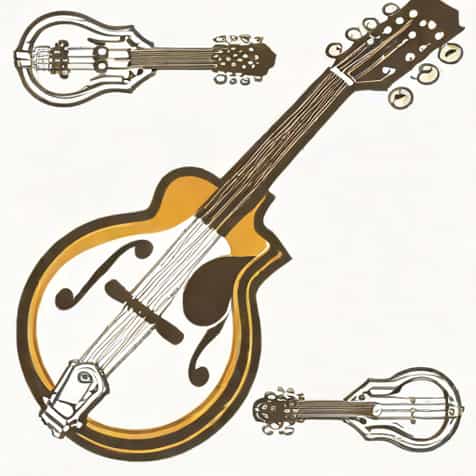
The mandolin is a beautiful string instrument with a bright, ringing tone that cuts clearly through melodies and chords. One of the most important things every player must understand is its tuning. Knowing what the tuning for a mandolin is, how it works, and why it is used makes learning easier and more enjoyable. Good tuning leads to accurate sound, better finger placement, and a smoother musical experience. Whether you are a beginner or someone exploring instruments out of curiosity, understanding mandolin tuning helps you appreciate the instrument’s musical structure and its role in different genres.
Understanding Standard Mandolin Tuning
The most common and standard tuning for a mandolin is
G – D – A – E
This is arranged from the lowest pitch string to the highest. It is exactly the same as a violin, which explains why mandolin players can use many violin melodies and sheet music. The tuning is arranged in perfect fifths, meaning each string is five notes higher than the previous one. This setup allows the mandolin to produce clear melodies and fast, articulate picking patterns often heard in folk, classical, country, bluegrass, and Celtic music.
Understanding the Double Strings
Unlike a guitar, the mandolin has eight strings arranged in four pairs, known as courses. Each pair is tuned to the same note, giving the mandolin its powerful, shimmering sound. So, the tuning is actually
- G – G
- D – D
- A – A
- E – E
When you strum or pick, you usually hit both strings in the pair together. This creates a richer, fuller tone and makes the instrument sound louder than its small size might suggest.
Why the Mandolin Uses GDAE Tuning
The tuning for a mandolin is not random. The GDAE system has been used for centuries because it supports melody playing, chord building, and fast picking techniques. The perfect fifth spacing gives wide range without making fingering too difficult. It allows players to move patterns and scales easily across the fretboard. This is one reason mandolin music often sounds quick, bright, and precise.
The Musical Advantage of Perfect Fifths
Perfect fifth tuning gives consistent spacing, which means once you learn a scale or chord shape, you can repeat it in different keys more easily. For example, bluegrass players often switch keys quickly when jamming, and this tuning makes it easier. Classical musicians benefit as well because violin sheet music directly translates to mandolin.
How to Tune a Mandolin Accurately
Knowing the tuning for a mandolin is one thing, but tuning it correctly is another skill entirely. Because the mandolin has eight strings, beginners sometimes feel nervous about tuning it. However, with the right steps and patience, it becomes straightforward.
Steps to Tune a Mandolin
- Start with a reliable tuner, tuning app, or pitch reference.
- Tune the lowest pair of strings to G, making sure both match each other.
- Next tune the D pair, then the A pair, and finally the E pair.
- Always tune slowly to avoid breaking strings.
- After tuning all strings, recheck them, because tightening some strings can slightly affect others.
Taking time to carefully tune each pair ensures beautiful sound and stable pitch while playing.
Common Problems When Learning Mandolin Tuning
Beginners often face similar challenges when learning what tuning for a mandolin should be and how to maintain it. Understanding these common issues helps prevent frustration.
Typical Tuning Difficulties
- Strings slipping out of tune due to new strings stretching.
- Difficulty tuning both strings in a pair exactly the same.
- Turning the wrong tuning peg due to close peg placement.
- Overtightening, which can cause broken strings.
Most of these problems disappear with practice. As you become familiar with the instrument, tuning becomes part of the normal playing routine.
Alternative Mandolin Tunings
While GDAE is the standard and most widely used tuning for a mandolin, it is not the only one. Some players experiment with alternate tunings to create different musical textures or suit specific genres.
Examples of Non-Standard Tunings
- Cross tuning (AEAE) for drone-heavy folk styles
- GDGD for rhythmic playing and modal music
- FCGD for darker tone and lower pitch range
These tunings are less common but show how flexible the mandolin can be. However, beginners are always encouraged to master standard tuning first before exploring experimental options.
Mandolin Tuning Compared to Other Instruments
One of the reasons people ask, What is the tuning for a mandolin? is because it can be confusing compared to guitars or ukuleles. Understanding the differences helps place the mandolin in a broader musical context.
Comparison Overview
- A guitar is usually tuned EADGBE in fourths and one major third, while mandolin is tuned in fifths.
- A violin shares the exact same tuning as a mandolin (GDAE), making music interchangeable.
- A ukulele typically uses GCEA, which is entirely different from mandolin tuning.
This is why musicians who already play violin often find mandolin easier to pick up, while guitar players need to adjust to new string relationships.
The Role of Proper Tuning in Mandolin Sound
Good tuning does more than make notes correct. It shapes tone, intonation, resonance, and musical confidence. A mandolin that is properly tuned sounds balanced, bright, and musical. When strings are slightly off, chords sound harsh and melodies feel uncomfortable.
Benefits of Correct Tuning
- Improves ear training and musical awareness
- Enhances clarity and pitch accuracy
- Makes playing along with recordings or bands easier
- Creates a more enjoyable listening experience
For anyone serious about learning, developing a good tuning habit is just as important as practicing chords and scales.
Helpful Tips for Maintaining Stable Tuning
Even after learning what the tuning for a mandolin is, many players want to know how to keep it in tune longer. Environmental changes, playing intensity, and string condition all affect tuning stability.
Practical Tuning Tips
- Change old strings regularly to maintain pitch stability.
- Store the mandolin in a case to protect it from humidity and temperature changes.
- Stretch new strings gently after installing them.
- Use quality tuning pegs and keep them tightened properly.
These habits help ensure your instrument stays reliable and ready to play.
The standard tuning for a mandolin is GDAE, arranged in four double-string courses that create the instrument’s iconic shimmering sound. This tuning, built in perfect fifths, supports fast melodies, expressive chords, and a bright, ringing tone loved in many musical traditions. Understanding how to tune a mandolin, why this tuning is used, and how to maintain it forms the foundation of successful playing. With patience, practice, and careful listening, tuning becomes second nature, allowing players to fully enjoy the beauty and musical potential of the mandolin.