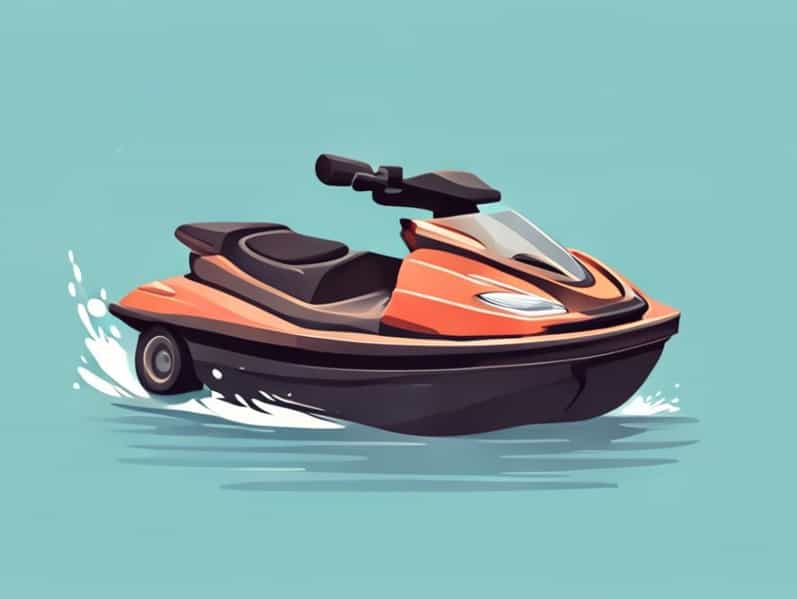
A personal watercraft is a type of vessel that many people associate with fun, speed, and recreational time on lakes, rivers, and coastal waters. But beyond the excitement, there is a clear definition of what qualifies as a personal watercraft, and understanding this classification is important for safety, legal requirements, and responsible operation. Whether someone is exploring the idea of buying one, renting one for a vacation, or simply curious about boating terminology, knowing exactly what qualifies as a personal watercraft helps create clarity about rules, features, and expectations. These watercraft have unique characteristics that distinguish them from traditional boats, and these details form the basis of how authorities regulate them.
Basic Definition of a Personal Watercraft
A personal watercraft, often abbreviated as PWC, is a small, motorized water vessel designed for individual or small-group use. Unlike larger boats, a PWC is built for the operator to sit, kneel, or stand on rather than inside the vessel. The design emphasizes agility and maneuverability, making it popular for recreational riding, water sports, and short-distance travel.
The defining feature of a personal watercraft is how it is controlled. A PWC uses an inboard engine that drives a jet pump, which propels the craft forward using a high-pressure stream of water. This jet propulsion system is one of the core characteristics that classify a vessel as a personal watercraft.
Key Elements of the Definition
Several components consistently appear in regulatory definitions. Common characteristics include
- A vessel powered by an inboard engine.
- A jet pump or jet propulsion system instead of an external propeller.
- Designed for the operator to be on top of the craft rather than inside a hull.
- Built for one to three riders, depending on the model.
These elements help distinguish PWCs from other small watercraft, such as small outboard boats, canoes, or kayaks.
Types of Personal Watercraft
Although all PWCs share key features, they come in different styles designed for various activities. Understanding the main types helps clarify what qualifies as a personal watercraft and what does not.
Stand-Up Personal Watercraft
Stand-up PWCs are smaller models designed for a single rider. As the name suggests, the rider typically stands while operating the craft. These models are agile, lightweight, and often used for sport, tricks, and racing.
The stand-up type represents the original style of personal watercraft. They require more balance and skill to operate, making them less common among casual riders but popular with advanced users.
Sit-Down Personal Watercraft
Sit-down PWCs are the most common type seen on lakes and oceans. Designed for one to three passengers, these models allow the operator to sit while driving. Their comfort and stability make them ideal for recreation, touring, and towing activities such as wakeboarding or tubing.
Sit-down models are larger, heavier, and often more powerful than stand-up versions. Their ability to carry multiple riders makes them versatile and suitable for families or groups.
Legal and Regulatory Classification
Different regions have specific laws that define what qualifies as a personal watercraft. These regulations help establish safety standards, licensing requirements, and operational restrictions. Although definitions may vary slightly, most laws include the same core features of jet propulsion, rider position, and engine type.
Because PWCs can travel at high speeds and perform quick maneuvers, many jurisdictions require operators to complete boating safety courses. Understanding the legal definition helps riders avoid fines and ensures they meet all requirements for safe operation.
Why the Definition Matters
The classification of a vessel as a personal watercraft affects
- What safety equipment must be carried on board.
- Minimum age requirements for operation.
- Whether a boating license or certification is required.
- Where the vessel can be legally operated, such as distance from shore or swimming zones.
These rules are designed to promote safety and reduce risk for the rider and surrounding boaters.
Differences Between Personal Watercraft and Traditional Boats
Although PWCs share water-based usage with boats, significant differences set them apart. These distinctions help clarify what qualifies as a personal watercraft versus a standard vessel.
Size and Structure
PWCs are much smaller than most boats. Their compact size allows operators to perform sharp turns, quick accelerations, and other maneuvers that traditional boats cannot match.
Additionally, the operator sits or stands on a PWC, while boats require passengers to sit inside a defined seating area. This design difference strongly influences how each vessel is controlled and regulated.
Propulsion Method
One of the biggest differences is the propulsion system. A personal watercraft uses jet propulsion, which draws water in and expels it at high speed. Traditional boats depend on outboard or inboard motors with propellers.
This jet propulsion system is safer in shallow waters and near swimmers because it eliminates exposed propeller blades. It also allows PWCs to operate with greater agility.
Common Features of Personal Watercraft
Beyond the basic definition, most PWCs share several recognizable features that help confirm whether a vessel qualifies as a personal watercraft.
Handlebar Steering
Unlike boats with steering wheels, PWCs use handlebars similar to motorcycles. These handlebars allow tight control over turns and speed changes.
Compact Hull Design
PWC hulls are designed for speed and maneuverability. They often have sleek shapes that help them cut through waves or glide smoothly on calm water.
Seating Configuration
Sit-down models typically have straddle-style seating, similar to a motorbike. This seating arrangement helps keep the operator stable while navigating waves or performing turns.
Safety Features
Most personal watercraft include important safety components such as
- Engine shut-off lanyards (kill switches).
- Buoyant hull materials.
- Built-in storage for safety equipment.
- Warning labels and operator instructions.
These features contribute to reducing risk and improving rider control.
Activities Associated With Personal Watercraft
Understanding what qualifies as a personal watercraft also includes recognizing the types of activities they are commonly used for. These activities help illustrate how versatile PWCs can be.
Recreational Riding
Most people use PWCs for leisure. Riders enjoy exploring open water, experiencing speed, and navigating waves. The ease of use makes PWCs appealing to both beginners and experienced riders.
Water Sports
Some models have enough power to tow tubes, wakeboards, or small inflatable devices. Although not all PWCs are designed for towing, many sit-down versions handle these activities well.
Touring and Exploration
Because of their speed and efficiency, PWCs are useful for exploring coastlines, rivers, and scenic waterways. Some people use them for longer rides, stopping at beaches or exploring small coves.
What Does Not Qualify as a Personal Watercraft
To fully understand what qualifies as a PWC, it helps to know what does not meet the criteria. Certain vessels may seem similar but fall into different categories.
- Kayaks and canoes – They rely on paddles, not engines.
- Small motorboats – They use propellers and seat passengers inside the hull.
- Inflatable dinghies – These use outboard motors and traditional controls.
- Paddleboards – They do not have engines or jet propulsion.
While some of these vessels may serve similar recreational purposes, they lack the specific design and propulsion features that define a personal watercraft.
A personal watercraft is defined by its size, propulsion system, rider position, and intended use. Jet propulsion, inboard engines, and on-top operation distinguish PWCs from traditional boats and create a unique category of watercraft used for recreation, sport, and exploration. Understanding what qualifies as a personal watercraft helps ensure safer operation, better compliance with regulations, and greater appreciation for these fast, maneuverable vessels commonly seen on lakes, rivers, and coastal waters. Whether someone rides for fun, adventure, or sport, knowing the defining characteristics of a personal watercraft enriches the experience and supports responsible use.