Having a tooth extracted can be a stressful experience for many people, and the recovery process afterward is just as important as the procedure itself. Proper care after a tooth extraction helps prevent complications such as infection, dry socket, or prolonged bleeding, and ensures that healing occurs as smoothly as possible. Knowing what to do immediately after the extraction, as well as in the days that follow, can make a significant difference in comfort and recovery time. This guide explains the essential steps to take and precautions to follow after a tooth extraction.
Immediate Care After Tooth Extraction
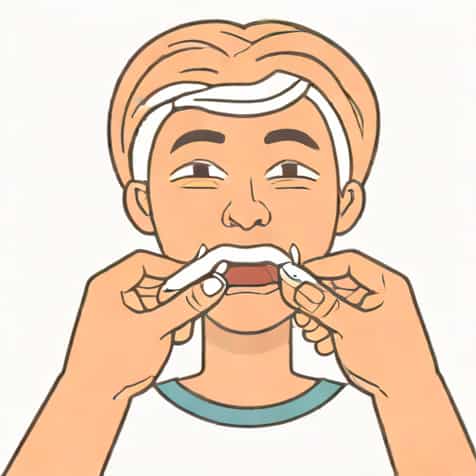
The first few hours after a tooth extraction are critical for controlling bleeding and promoting initial healing. Your dentist will typically place a piece of gauze over the extraction site, and you should bite down gently but firmly to help form a blood clot. This clot is essential for proper healing and prevents complications.
Managing Bleeding
It is normal to experience some bleeding for the first few hours after extraction. To manage it
- Keep the gauze in place for at least 30 to 45 minutes and apply gentle pressure.
- If bleeding continues, replace the gauze with a fresh piece and maintain pressure.
- A damp tea bag can be used if bleeding persists. The tannins in tea help the blood clot more quickly.
- Avoid spitting, rinsing vigorously, or using straws, as this can dislodge the clot.
Controlling Pain and Swelling
Pain and swelling are common after tooth extraction. To minimize discomfort
- Take over-the-counter pain relievers such as ibuprofen or acetaminophen, as directed by your dentist.
- Apply an ice pack to the outside of your cheek for 15-20 minutes at a time, with breaks in between, during the first 24 hours.
- Keep your head elevated when resting to reduce swelling and discomfort.
Eating and Drinking After Extraction
Proper nutrition and hydration are important during the recovery period, but certain precautions are necessary to protect the extraction site.
What to Eat
For the first 24 hours, stick to soft foods that do not require chewing near the extraction site. Some examples include
- Yogurt and pudding
- Mashed potatoes or soft rice
- Scrambled eggs
- Broth-based soups that are not too hot
Gradually reintroduce firmer foods as the extraction site heals, but avoid hard, crunchy, or sticky foods that can irritate the area or dislodge the blood clot.
Drinking Tips
- Drink plenty of water to stay hydrated.
- Avoid alcohol and caffeinated beverages for at least 24 hours.
- Do not use straws, as the suction can dislodge the clot and lead to dry socket.
Oral Hygiene After Extraction
Maintaining oral hygiene is crucial for preventing infection, but extra care is needed around the extraction site. Brushing your teeth gently is recommended, avoiding the extraction area for the first day. After 24 hours, you can rinse your mouth carefully with a warm saltwater solution to keep the site clean and promote healing. Repeat this rinse several times a day, especially after meals.
Do’s and Don’ts for Oral Care
- Do brush and floss the rest of your teeth gently.
- Do rinse with warm saltwater after the first day.
- Don’t use commercial mouthwashes containing alcohol for the first few days.
- Don’t touch or poke the extraction site with your tongue, fingers, or any objects.
Managing Complications
While most tooth extractions heal without issues, it is important to recognize warning signs of complications.
Dry Socket
Dry socket occurs when the blood clot at the extraction site becomes dislodged, exposing the bone and nerves. This can cause severe pain and delay healing. Signs include increased pain a few days after extraction and a bad taste or odor in the mouth. Contact your dentist immediately if you suspect dry socket, as treatment is needed to manage pain and promote healing.
Infection
Infection can occur if bacteria enter the extraction site. Symptoms include swelling, pus, fever, or persistent pain. Proper oral hygiene and following post-extraction instructions reduce the risk of infection. If an infection develops, your dentist may prescribe antibiotics or other treatments.
Prolonged Bleeding
Minor bleeding is normal, but if bleeding persists beyond 24 hours or is heavy, contact your dentist. Maintaining gentle pressure with gauze or a tea bag can help, but professional evaluation is important to rule out underlying issues.
Additional Tips for Faster Recovery
- Avoid smoking for at least 48 hours, as it can interfere with healing and increase the risk of dry socket.
- Rest and avoid strenuous physical activity for the first couple of days.
- Keep your head elevated while sleeping to reduce swelling.
- Follow all post-operative instructions provided by your dentist carefully, including medication schedules.
When to Call Your Dentist
It is essential to stay in touch with your dentist during the recovery period. Contact them immediately if you experience
- Severe or increasing pain that is not relieved by prescribed medication
- Heavy or continuous bleeding
- Signs of infection such as fever, swelling, or pus
- Numbness or tingling that persists beyond the expected recovery period
Follow-Up Appointment
Most dentists recommend a follow-up appointment to ensure proper healing. This check-up allows your dentist to monitor the extraction site, remove any sutures if necessary, and provide guidance for returning to normal oral care routines. Attending this appointment is an important step in a safe and effective recovery.
Recovering after a tooth extraction requires careful attention to bleeding control, pain management, diet, oral hygiene, and overall health. Following these steps can reduce the risk of complications such as dry socket or infection and promote faster healing. Gentle care, proper nutrition, and adherence to your dentist’s instructions are key to a smooth recovery. By understanding what to do after tooth extraction, you can minimize discomfort, support your body’s natural healing process, and ensure a healthy, fully recovered smile.