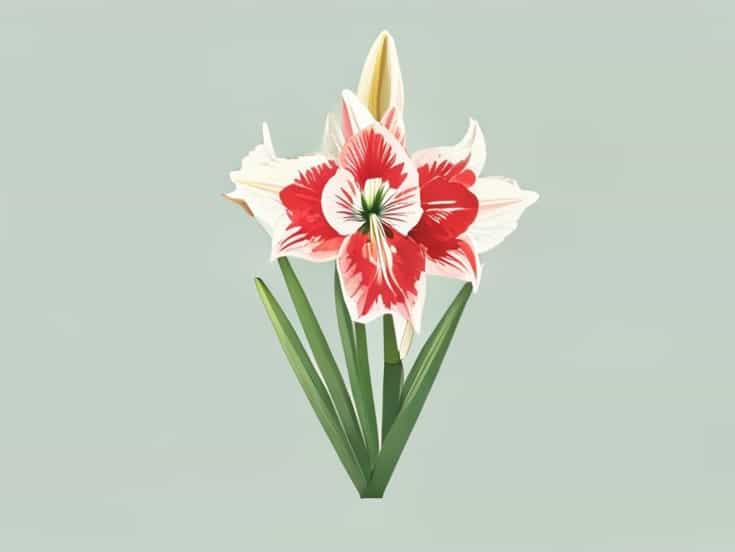
The amaryllis is a popular flowering bulb, often cherished for its large, vibrant blooms that brighten indoor spaces during the winter months. After the flowers fade, many gardeners and plant enthusiasts wonder what to do next to ensure the bulb remains healthy and blooms again in the following season. Caring for an amaryllis after it blooms involves proper removal of spent flowers, continued leaf care, feeding, and eventually allowing the plant to enter a dormancy period. Understanding the right steps can extend the life of your amaryllis bulb and help you enjoy its spectacular blooms year after year.
Remove Spent Blooms Carefully
Once the amaryllis flowers have faded, it is important to remove the spent blooms. This helps prevent the plant from wasting energy on producing seeds and directs nutrients toward the bulb, which is essential for next year’s flowering. To remove the flowers, use a clean pair of scissors or pruning shears and cut the flower stalk near the base, just above the bulb. Avoid cutting the green leaves, as they are still crucial for photosynthesis and storing energy in the bulb.
Why Removing Spent Blooms Matters
- Prevents seed formation, conserving energy for the bulb.
- Reduces the risk of disease and fungal infections on decaying flowers.
- Encourages the plant to focus on leaf growth, which is necessary for future blooms.
Continue Leaf Care
After the flowers are removed, the leaves play a vital role in replenishing the bulb’s energy reserves. Leaves continue to photosynthesize and store nutrients in the bulb. During this period, it is important to keep the leaves healthy by providing proper light, water, and nutrients.
Lighting Requirements
Amaryllis leaves need bright, indirect sunlight to photosynthesize effectively. Place the plant near a sunny window, but avoid direct harsh sunlight, which can scorch the leaves. Adequate light helps the bulb store sufficient energy for the next blooming cycle.
Watering and Feeding
- Water the plant regularly, keeping the soil evenly moist but not soggy.
- Apply a balanced liquid fertilizer every two to three weeks to replenish nutrients.
- Avoid over-fertilizing, as excessive nitrogen can encourage leaf growth at the expense of flowers.
Allow the Bulb to Store Energy
During the post-bloom period, the amaryllis bulb focuses on storing energy for future blooms. Healthy leaves, regular watering, and feeding help the bulb accumulate sufficient energy. It is important to resist cutting the leaves too early, even if they start to look untidy. The longer the leaves remain, the stronger the bulb will be, and the more likely it will produce vigorous flowers next season.
Gradual Transition to Dormancy
After several weeks of leaf growth, the plant will eventually enter a dormancy period, which is essential for encouraging blooms in the following season. Dormancy mimics the natural growth cycle of amaryllis in the wild and allows the bulb to rest and rejuvenate.
Steps to Induce Dormancy
- Gradually reduce watering as the leaves begin to yellow and die back naturally.
- Stop fertilizing once the leaves start to wither.
- Move the pot to a cool, dark location, such as a basement or unheated room, with temperatures around 50-60°F (10-15°C).
- Allow the bulb to remain in this dormant state for 8-12 weeks before beginning the next growth cycle.
Preparing the Bulb for the Next Season
After the dormancy period, it is time to prepare the amaryllis for the next season of blooms. Bring the bulb out of its cool, dark location and reintroduce it to warmer temperatures and light. Repot the bulb if necessary, using fresh, well-draining soil to support new growth. Begin watering sparingly at first, gradually increasing as new shoots appear.
Signs of New Growth
Once the amaryllis starts producing new leaves and flower stalks, it is ready for its active growth phase. During this period, continue providing bright indirect light, regular watering, and balanced fertilizer to encourage strong flowers. Proper care during this time ensures that the next bloom will be as impressive as the last.
Additional Tips for Post-Bloom Care
- Keep an eye on pests such as spider mites or aphids that can affect leaf health.
- Rotate the pot occasionally to ensure even light exposure and balanced growth.
- Do not rush to plant bulbs outdoors unless you live in a suitable climate; amaryllis is primarily an indoor plant in most regions.
- Label your bulbs with bloom dates and varieties to track flowering cycles and plan care accordingly.
Common Mistakes to Avoid
Many gardeners unintentionally harm their amaryllis by neglecting proper post-bloom care. Avoid these common mistakes
- Cutting back the leaves immediately after flowering, which prevents energy storage.
- Overwatering during the leaf and dormancy phases, which can cause bulb rot.
- Failing to provide enough light after flowering, leading to weak or no blooms next season.
- Skipping the dormancy period, which is essential for triggering future flowering.
Proper care of amaryllis after it blooms is crucial for ensuring the plant remains healthy and produces beautiful flowers year after year. Removing spent blooms, nurturing leaves, feeding, allowing energy storage, and providing a dormancy period are all essential steps in the life cycle of this beloved bulb. By following these guidelines and avoiding common mistakes, gardeners can enjoy the vibrant colors and striking presence of amaryllis flowers season after season. With patience and consistent care, the post-bloom period becomes an opportunity to strengthen the bulb and set the stage for future floral success.