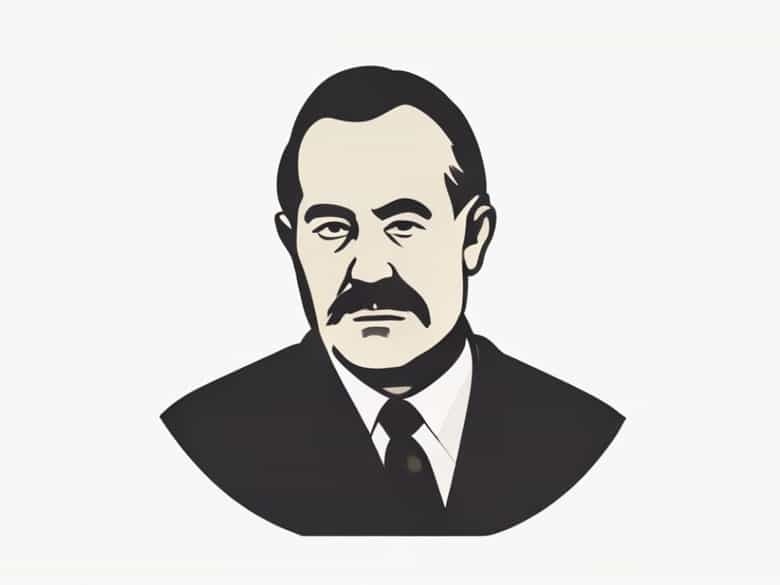
John G. Diefenbaker was a significant figure in Canadian political history, known for his dynamic leadership and efforts to shape Canada’s identity in the mid-20th century. He served as the 13th Prime Minister of Canada and brought a focus on national unity, civil rights, and northern development. Understanding when Diefenbaker became Prime Minister, the historical context of his term, and the achievements and controversies of his administration helps provide a fuller picture of Canada’s political evolution. His years in office were marked by both ambitious social policies and challenges in foreign relations, reflecting the complexities of governing a diverse and evolving country.
When Did John Diefenbaker Become Prime Minister?
John G. Diefenbaker became the Prime Minister of Canada in 1957. He led the Progressive Conservative Party to victory in the federal election held that year, ending more than two decades of Liberal dominance under leaders such as William Lyon Mackenzie King and Louis St. Laurent. Diefenbaker’s election marked a turning point in Canadian politics, bringing new energy and a populist approach to government. His term officially began on June 21, 1957, when he was sworn in as Prime Minister.
Historical Context of the 1957 Election
The 1957 election occurred during a period of social and economic change in Canada. Post-World War II prosperity had reshaped Canadian society, and there was a growing desire for new leadership and policies. Diefenbaker capitalized on public dissatisfaction with the long-standing Liberal government, emphasizing themes of national unity, accessibility to government, and concern for ordinary Canadians. His victory reflected a shift in political sentiment and demonstrated the effectiveness of grassroots campaigning in Canadian politics at the time.
Diefenbaker’s Term as Prime Minister
John Diefenbaker served as Prime Minister from 1957 to 1963, a period of significant political and social developments. His administration focused on both domestic policies and Canada’s role on the international stage. Diefenbaker’s leadership style was often charismatic and populist, appealing directly to voters while managing a complex parliamentary system. His years in office were marked by efforts to expand social programs, support civil rights, and promote economic development in less populated regions, particularly in northern Canada.
Key Achievements
- Canadian Bill of RightsDiefenbaker introduced the Canadian Bill of Rights in 1960, laying the groundwork for future human rights legislation and emphasizing individual freedoms and legal protections.
- Support for Northern DevelopmentHe promoted initiatives aimed at developing Canada’s northern territories, including infrastructure projects and support for indigenous communities.
- Expansion of Social ProgramsDiefenbaker’s government increased social welfare initiatives, including measures to support housing, education, and health care.
- Defending Canadian SovereigntyHis administration took steps to assert Canadian sovereignty, especially in relation to northern territories and Arctic defense during the Cold War.
Challenges and Controversies
Despite his accomplishments, Diefenbaker’s tenure was not without challenges. His government faced economic difficulties, debates over defense policy, and strained relations with the United States, particularly regarding nuclear weapons and continental defense strategies. Domestically, some of his decisions, such as his handling of cabinet appointments and internal party conflicts, led to political tensions. These controversies ultimately contributed to his party losing the federal election in 1963.
1962 Election and Continued Leadership
After initially winning a minority government in 1957, Diefenbaker called another election in 1958, achieving a landslide victory that gave the Progressive Conservatives one of the largest majorities in Canadian history. In 1962, however, his government was reduced to a minority, reflecting growing dissatisfaction with economic conditions and political disagreements within his cabinet. Despite these setbacks, Diefenbaker remained a prominent figure in Canadian politics, demonstrating resilience and commitment to his vision of Canada’s future.
Domestic and International Policies
Diefenbaker’s domestic policies emphasized economic development and social progress. Internationally, he navigated Canada’s position during the Cold War, balancing relations with the United States while asserting Canada’s sovereignty in defense and foreign policy. He advocated for the recognition of the People’s Republic of China and maintained a cautious approach to military commitments abroad. These decisions reflected his belief in independent Canadian leadership while addressing global challenges of the era.
Impact on Canadian Politics
John Diefenbaker’s time as Prime Minister had a lasting impact on Canadian politics. His introduction of the Canadian Bill of Rights paved the way for the later development of the Canadian Charter of Rights and Freedoms. His focus on northern development and indigenous issues highlighted the importance of regional equality and inclusivity in national policy. Additionally, his leadership style – combining populist appeal with principled stances on sovereignty and civil liberties – influenced subsequent Canadian leaders and political discourse.
Legacy
- Advancement of human rights protections through the Canadian Bill of Rights.
- Greater focus on northern and indigenous communities in federal planning.
- Emphasis on Canadian sovereignty and independent foreign policy during the Cold War.
- Demonstration of populist leadership that appealed directly to the public.
John Diefenbaker became Prime Minister of Canada in 1957, marking the beginning of a transformative period in Canadian politics. His leadership from 1957 to 1963 was characterized by efforts to expand social programs, promote civil rights, and assert Canada’s sovereignty on the international stage. While his tenure faced challenges, including economic difficulties and political controversies, Diefenbaker’s achievements and influence have left a lasting legacy. By understanding when he became Prime Minister and the context of his time in office, we gain insight into Canada’s political development and the enduring impact of his policies and leadership on the nation’s history.