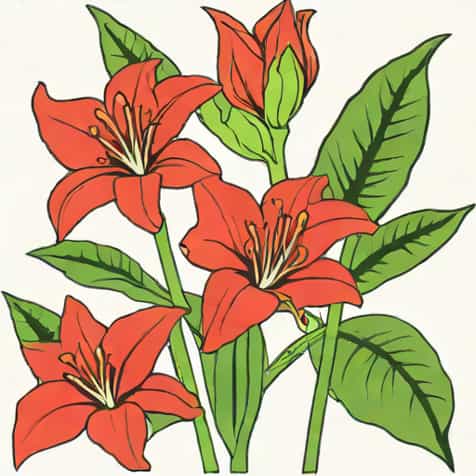
Amaryllis plants are admired for their large, vibrant blooms that can bring life and color to any indoor space during the winter months. However, caring for an amaryllis doesn’t end once the flowers fade. One of the most important aspects of maintaining a healthy amaryllis bulb is knowing when and how to cut back its leaves. The leaves play a critical role in nourishing the bulb for next season’s bloom, and cutting them at the wrong time can affect future growth.
Understanding Amaryllis Growth Cycle
Before discussing when to cut back amaryllis leaves, it’s important to understand the plant’s growth cycle. Typically, an amaryllis bulb produces one or more flower stalks during the blooming season, which is usually winter or early spring. Once the flowers fade, the leaves continue to grow and photosynthesize, storing energy in the bulb. This stored energy is crucial for producing blooms in the following year.
The Role of Leaves in Amaryllis Health
The leaves of an amaryllis are not just decorative-they are essential for the plant’s survival. Through photosynthesis, they convert sunlight into energy, which is stored in the bulb. Cutting the leaves too early can deprive the bulb of the necessary nutrients to support the next flowering cycle. Conversely, leaving leaves too long can sometimes lead to yellowing and decay, which might attract pests or diseases.
Signs That It’s Time to Cut Back Amaryllis Leaves
Knowing when to cut back amaryllis leaves requires careful observation. Here are key signs to watch for
- Yellowing LeavesWhen more than half of the leaves turn yellow, the plant is signaling that it has stored sufficient energy in the bulb.
- Wilting or Dying LeavesLeaves that become dry, brittle, or brown indicate that they have completed their role in feeding the bulb.
- Post-Bloom DormancyAfter the flowering season, leaves should continue to grow for several weeks or months. Once they naturally start to die back, it’s time for trimming.
Step-by-Step Guide to Cutting Back Amaryllis Leaves
Properly cutting back amaryllis leaves ensures the bulb remains healthy and ready for the next bloom. Follow these steps
- Wait Until Leaves YellowDo not cut leaves while they are still green and actively photosynthesizing.
- Use Clean ToolsSterilize scissors or pruning shears with rubbing alcohol to prevent disease transmission.
- Cut at the BaseTrim leaves at the base near the bulb. Avoid pulling or tearing them, as this can damage the bulb.
- Dispose of Leaves ProperlyRemove yellowed leaves from the pot and surrounding area to prevent decay or fungal growth.
Optional Leaf Care Tips
- If the leaves are still partly green, allow them to continue absorbing sunlight until fully yellow.
- Consider feeding the bulb with a balanced fertilizer during the leaf-growing phase to maximize energy storage.
- Keep the pot in a well-lit area while the leaves are growing to encourage photosynthesis.
Timing Considerations for Different Growing Conditions
The ideal time to cut back leaves may vary depending on whether the amaryllis is grown indoors or outdoors, and the climate it is exposed to. For indoor amaryllis, leaves may remain green longer due to controlled temperatures and light exposure. Outdoors, seasonal changes such as frost may naturally trigger leaf dieback sooner.
Indoor Amaryllis
Indoors, leaves often remain green for 6-8 weeks after blooming. Monitor the leaves weekly and cut them back once the majority have yellowed. Keep the plant in bright, indirect light during this period to optimize energy storage.
Outdoor Amaryllis
Outdoor bulbs may experience earlier leaf dieback due to seasonal changes. Wait until the leaves are naturally yellowing and weather conditions are mild. Cutting back leaves too early can leave the bulb underprepared for the next growing season.
After Cutting Back Leaves Preparing for Dormancy
Once the leaves have been cut back, amaryllis bulbs enter a dormant phase. This period of rest is crucial for future blooms. Proper care during dormancy includes
- Storing bulbs in a cool, dry place for 8-12 weeks.
- Reducing watering significantly, but do not let the bulb dry out completely.
- Inspecting bulbs for signs of rot or disease before storage.
- Labeling bulbs with their planting date for easier tracking.
Preparing Bulbs for Next Season
After the dormancy period, bulbs can be replanted in fresh soil. Gradually reintroduce water and bring them into a bright, warm environment to encourage new growth. Healthy bulbs that were allowed to properly store energy in their leaves will produce strong flower stalks for the next season.
Fertilization Tips for Optimal Bloom
- Use a balanced fertilizer during leaf growth to enhance nutrient storage.
- Avoid fertilizing once leaves are yellowed and ready to be cut back.
- Consider a phosphorus-rich fertilizer at the start of the next growth cycle to encourage flowering.
Common Mistakes to Avoid
Cutting back amaryllis leaves too early or neglecting the post-bloom care can reduce the plant’s performance in subsequent seasons. Common mistakes include
- Trimming green leaves prematurely, which deprives the bulb of stored energy.
- Leaving yellowed leaves too long, leading to decay or fungal issues.
- Failing to provide adequate light during leaf growth.
- Overwatering or underfeeding during the post-bloom phase.
Knowing when to cut back amaryllis leaves is essential for the long-term health and blooming potential of the plant. Leaves should only be trimmed after they have naturally yellowed and completed their role in photosynthesis. By following proper cutting techniques, monitoring leaf color, and caring for the bulb during dormancy, gardeners can ensure that their amaryllis blooms beautifully season after season. Patience, observation, and proper care will reward you with vibrant flowers year after year, making amaryllis a truly rewarding plant to grow.