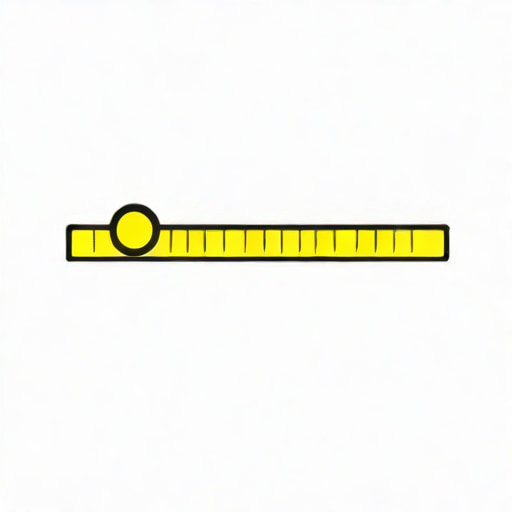
A spirit level is a simple but essential tool used in construction, carpentry, and DIY projects to ensure surfaces are perfectly horizontal or vertical. Whether building a bookshelf, hanging a picture frame, or installing a countertop, achieving precise alignment is crucial for both aesthetics and structural integrity. The accuracy of a spirit level depends on understanding which part of the tool indicates levelness. While the device may appear straightforward, its effectiveness comes from the careful design of its components, particularly the bubble vial, which allows users to determine whether a surface is level or plumb with precision.
Understanding the Spirit Level
A spirit level, also known as a bubble level, consists of a rigid frame and one or more vials containing a liquid and an air bubble. The liquid is usually alcohol or a colored spirit, chosen because it resists freezing and reduces surface tension that might interfere with movement. The primary function of the spirit level is to indicate whether a surface is horizontal (level), vertical (plumb), or at a specific angle (slope). The tool is widely used in construction, carpentry, masonry, and even surveying because it provides an easy visual guide for accuracy.
Main Components of a Spirit Level
Although spirit levels can vary in size and complexity, they generally consist of the following key components
- Frame or Body The rigid structure that holds the vials in place and allows the level to rest on the surface being measured.
- Bubble Vial A curved glass or plastic tube filled with liquid and containing an air bubble, usually slightly curved to enhance precision.
- End Caps or Protective Covers Prevent damage to the frame and the vials during use or transportation.
- Markings or Lines on the Vial Reference lines that indicate when the surface is level, plumb, or at a specific angle.
The Bubble Vial The Key Indicator of Levelness
The most crucial part of a spirit level in determining whether a surface is level is the bubble vial. This vial contains a liquid and a small air bubble, and it is slightly curved along its length. The bubble moves within the vial depending on the tilt of the surface. When the bubble is centered between the reference lines etched on the vial, it indicates that the surface is perfectly level (horizontal) or plumb (vertical), depending on the orientation of the level. This simple yet precise mechanism allows anyone, from professionals to hobbyists, to ensure accurate alignment.
How the Bubble Vial Works
The principle behind the bubble vial is based on gravity and the buoyancy of the air bubble in the liquid. The curved design of the vial creates a small slope within which the bubble can move freely. When the level is placed on a perfectly horizontal surface, the bubble naturally settles in the middle between the engraved reference lines. If the surface tilts, the bubble moves toward the higher end, signaling that adjustments are needed. This visual feedback is immediate, making the spirit level an effective and intuitive tool.
Types of Bubble Vials
Different types of spirit levels may contain various kinds of bubble vials, each serving specific purposes. Understanding these types helps users choose the right level for their task
Horizontal or Level Vial
This vial is oriented horizontally and is used to measure level surfaces. When the bubble is centered between the lines, it confirms that the surface is perfectly horizontal.
Vertical or Plumb Vial
This vial is positioned vertically within the level and is used to check walls, posts, or vertical structures. Centering the bubble ensures that the object is plumb.
Inclined or Angle Vial
Some spirit levels include vials set at specific angles, such as 45 degrees, for tasks requiring precise slopes. These vials allow users to measure angles accurately using the same principle as horizontal and vertical vials.
Reading a Spirit Level Accurately
To determine levelness using a spirit level, follow these steps
- Place the spirit level on the surface you want to check.
- Observe the position of the bubble within the vial.
- If the bubble is centered between the reference lines, the surface is level or plumb.
- If the bubble is off-center, adjust the surface until it aligns with the center of the vial.
- Double-check the measurement by rotating the level or measuring in multiple positions to ensure accuracy.
Common Mistakes When Using a Spirit Level
- Not reading the bubble at eye level, which can lead to parallax errors.
- Using a damaged or bent level that affects vial alignment.
- Placing the level on uneven surfaces without supporting it properly.
- Ignoring temperature effects on the liquid, which can slightly alter accuracy in extreme conditions.
Applications of Spirit Levels
Spirit levels are used in numerous applications where precise alignment is critical. Professionals in construction, carpentry, masonry, plumbing, and surveying rely on the bubble vial to ensure quality work. Some common uses include
- Checking floors, countertops, and tables for horizontal alignment.
- Ensuring walls, doors, windows, and posts are vertical and plumb.
- Measuring angles for staircases, ramps, or inclined surfaces.
- Aligning machinery and equipment in industrial settings.
- Leveling picture frames, shelves, and cabinets in home improvement projects.
In a spirit level, the part that indicates levelness is the bubble vial. This simple yet highly effective component allows users to determine whether a surface is horizontal, vertical, or at a specific angle. The bubble moves within the vial based on gravity, settling between reference lines to indicate proper alignment. Understanding how to read and use the bubble vial is essential for anyone performing construction, carpentry, or DIY tasks, ensuring accuracy and precision. By paying attention to this critical component and using the level correctly, surfaces can be aligned efficiently, improving both the functionality and appearance of finished work.