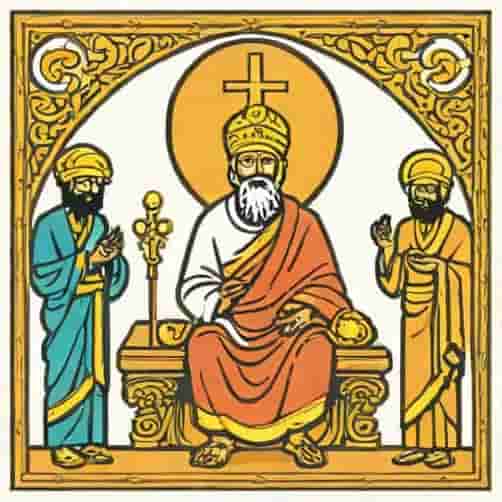
The introduction of Christianity to the Kingdom of Kongo represents one of the most significant cultural and religious transformations in Central African history. The Kingdom of Kongo, which thrived from the 14th to the 19th century in what is today northern Angola, the Republic of Congo, and parts of the Democratic Republic of Congo, had a rich cultural and spiritual life before contact with Europeans. Christianity arrived during a period of increasing interaction with European powers, particularly the Portuguese, and it gradually reshaped the kingdom’s political, social, and religious landscape. Understanding who introduced Christianity to the Kingdom of Kongo and how it spread provides insight into the dynamics of early African-European encounters and the lasting influence of religion in the region.
Portuguese Contact with the Kingdom of Kongo
The Kingdom of Kongo first made significant contact with Europeans in the late 15th century. Portuguese explorers arrived on the western coast of Africa seeking trade, political alliances, and access to natural resources. Their arrival marked the beginning of a long-term relationship between Kongo and Portugal. The Portuguese were not only traders but also missionaries, bringing with them Catholic teachings and European customs. This contact created opportunities for cultural exchange, including the introduction of Christianity to the kingdom.
Who Introduced Christianity?
Christianity was formally introduced to the Kingdom of Kongo by Portuguese missionaries, particularly members of the Catholic Church. The key figure in this process was the Portuguese explorer and missionary community, which included priests and envoys sent to convert local rulers and their populations. The first recorded conversion was that of King Nzinga a Nkuwu, who ruled Kongo during the late 15th century. After meeting Portuguese missionaries around 1491, King Nzinga a Nkuwu converted to Christianity and took the Christian name João I. His conversion represented the official introduction of Christianity to the kingdom, paving the way for its adoption by the elite and the wider population.
The Role of King Nzinga a Nkuwu
King Nzinga a Nkuwu played a crucial role in the early adoption of Christianity in Kongo. His decision to embrace the religion was influenced by political, diplomatic, and spiritual considerations. By accepting Christianity, he sought to strengthen alliances with the Portuguese, who were valuable partners in trade and military support. The king’s conversion also provided a framework for introducing European cultural practices and literacy, as the missionaries often taught reading, writing, and religious rituals. Nzinga a Nkuwu’s baptism set a precedent, showing that the royal court endorsed the new religion, which helped Christianity gain legitimacy within the kingdom.
Impact of Early Missionaries
The early Portuguese missionaries, mostly Catholic priests and friars, were instrumental in spreading Christianity throughout Kongo. They established churches, taught the local population about Catholic beliefs, and trained local leaders to continue religious education. These missionaries often worked closely with the royal family to ensure that the conversion was embraced by both rulers and subjects. The missionaries also introduced European ceremonies, sacraments, and the celebration of Christian holidays, which gradually became integrated into Kongo’s cultural practices.
Christianity and the Kingdom’s Political Structure
The adoption of Christianity had significant implications for the Kingdom of Kongo’s political system. The king’s conversion to Christianity allowed him to position himself as a ruler aligned with powerful European allies, reinforcing his authority both internally and externally. The integration of Christian symbols, rituals, and titles into governance helped to centralize power and consolidate royal legitimacy. Over time, many members of the elite, including nobles and military leaders, also converted to Christianity, further entrenching the religion within the kingdom’s hierarchy.
Spread of Christianity Among the People
Christianity did not remain confined to the royal court; it gradually spread to the general population. Missionaries established schools and churches in different regions of the kingdom, teaching both religious principles and basic literacy. The local population adopted Christian names, participated in baptism and communion ceremonies, and incorporated Christian morals and ethics into daily life. The spread of Christianity was facilitated by the close relationship between the missionaries and local leaders, ensuring that conversion was promoted from the top down.
Challenges and Resistance
Despite the royal endorsement of Christianity, there were challenges and resistance to its adoption. Some traditional religious leaders and communities were reluctant to abandon ancestral beliefs and practices. Tensions sometimes arose between traditional spiritual customs and Christian rituals, creating a complex cultural landscape. Missionaries had to navigate these challenges by blending certain local practices with Christian teachings, leading to a syncretic form of religion that was unique to Kongo. This process illustrates the adaptive nature of religious introduction in African societies.
Legacy of Christianity in Kongo
The introduction of Christianity left a lasting legacy in the Kingdom of Kongo. Even after the decline of the kingdom in the 17th and 18th centuries, Christianity remained a central part of social and cultural life. The religion influenced art, architecture, education, and governance, shaping Kongo society for generations. Christian institutions and rituals continued to play an important role in local communities, demonstrating the enduring impact of Portuguese missionaries and early converts such as King Nzinga a Nkuwu.
Christianity was introduced to the Kingdom of Kongo through the efforts of Portuguese missionaries and explorers in the late 15th century, with King Nzinga a Nkuwu serving as the first notable royal convert. The king’s conversion provided political, cultural, and spiritual legitimacy to the new religion, allowing it to spread across the kingdom. Missionaries worked closely with the royal family and the elite to establish churches, schools, and religious practices that would integrate Christianity into Kongo’s social fabric. Despite initial resistance from traditional religious practices, Christianity became a central part of Kongo society, leaving a lasting impact on its culture, governance, and spiritual life. The introduction of Christianity to Kongo exemplifies the complex interactions between European explorers, missionaries, and African rulers, highlighting the ways religion can shape history, culture, and identity.