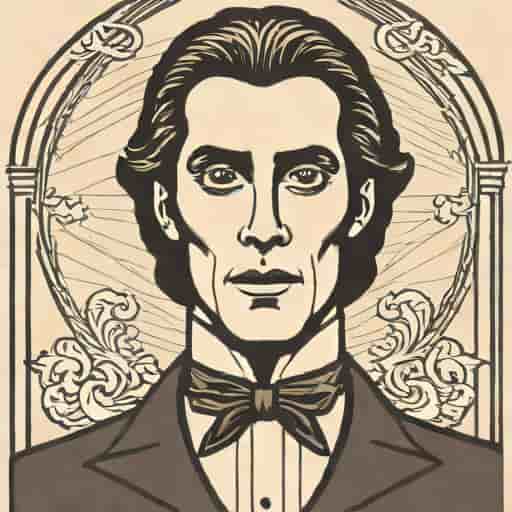
In Anne Rice’s famous novelInterview with the Vampire, Armand is one of the most intriguing and enigmatic characters, whose presence adds depth and mystery to the story. He is a vampire who embodies both beauty and danger, and his complex personality challenges the perceptions of immortality and morality. Armand’s character is not only important to the development of the plot but also provides a philosophical contrast to other vampires like Louis and Lestat. Understanding who Armand is requires exploring his origins, personality, relationships, and his role in the vampire society depicted in Rice’s universe. He is a character that has fascinated readers for decades because he represents both allure and darkness in the world of vampires.
The Origins of Armand
Armand’s story begins long before he appears in New Orleans alongside Louis and Lestat. Originally a human child in Europe, he endured a traumatic early life that shaped his future as a vampire. He was captured by a group of vampires led by the mysterious Marius de Romanus. Armand’s transformation into a vampire occurred during a period of vulnerability, which is a recurring theme in Anne Rice’s vampire chronicles. His early experiences reflect the recurring motifs of loss, manipulation, and the struggle for survival that are central to the vampire mythos.
Early Life and Transformation
Before becoming a vampire, Armand experienced hardship, loss, and abandonment. This difficult childhood left him sensitive, perceptive, and highly intuitive, qualities that would later define his existence as a vampire. His transformation by Marius was not just a physical change but also a psychological awakening, granting him immortality, heightened senses, and the need for blood. This transformation also introduced him to the complexities of vampire society, where power, seduction, and hierarchy play crucial roles. Understanding Armand’s origins helps explain his mysterious and often ambiguous behavior in the later events of the novel.
Personality and Characteristics
Armand is portrayed as intelligent, enigmatic, and deeply philosophical. Unlike other vampires who embrace cruelty or hedonism, Armand often reflects on the meaning of life and immortality. He possesses a seductive charm and a youthful appearance that hides centuries of experience. His character is marked by contrasts he is both compassionate and ruthless, innocent and worldly, loyal and manipulative. These contradictions make him a compelling figure inInterview with the Vampire, as readers are never entirely sure of his true intentions or moral alignment.
Appearance and Presence
One of the most striking aspects of Armand is his physical appearance. He is described as extraordinarily beautiful, with delicate features and an almost ethereal quality. This appearance is a deliberate part of his character, as it enables him to attract humans and vampires alike. Armand’s presence is magnetic, and he often exerts influence over those around him through charm and intellect rather than force. His beauty and aura of mystery reinforce the themes of seduction and danger that permeate the novel.
Relationships with Other Characters
Armand’s relationships with other characters are central to his role in the story. His interactions with Louis, Lestat, and Claudia reveal much about his personality and his approach to vampire life. With Louis, Armand forms a complex bond, based on both fascination and philosophical alignment. He shares Louis’s introspective nature and questions the morality of vampire existence. In contrast, Armand’s relationship with Lestat is more contentious, as Lestat represents the chaotic and domineering aspects of vampire life that Armand often critiques.
Connection to Louis
Louis’s fascination with Armand begins when Louis seeks meaning and guidance in his long, immortal life. Armand becomes a mentor and confidant, offering insights into vampire history and society. Their relationship is layered with tension, admiration, and subtle manipulation. Through Armand, Louis encounters different perspectives on immortality, morality, and the struggle to maintain a sense of humanity despite being a predator. This dynamic is critical to understanding both Armand’s and Louis’s characters in the broader narrative.
Influence in Vampire Society
Armand is not just a passive figure; he wields influence in the vampire world, particularly within the Théâtre des Vampires in Paris. This group of vampires, known for their theatrical performances and secretive practices, is both a community and a hierarchy that Armand navigates skillfully. He commands respect due to his intelligence, experience, and beauty. At the same time, he demonstrates an ability to manipulate and lead, using his insight into human and vampire psychology to maintain authority. This leadership role emphasizes Armand’s significance as more than just a companion to Louis; he is a key player in the vampire society itself.
Philosophical Themes and Morality
Armand’s character is deeply philosophical, often questioning the nature of life, morality, and existence. He challenges other vampires to think about the consequences of their actions and the meaning of immortality. Unlike Lestat, who indulges in power and pleasure, Armand considers the ethical and emotional aspects of vampire life. His contemplative nature introduces themes of existentialism and morality into the novel, making readers reflect on the broader implications of immortality. Through Armand, Anne Rice explores what it truly means to live as a vampire, balancing desire, ethics, and human emotions.
Temptation and Seduction
Another important aspect of Armand’s personality is his ability to seduce and tempt others, not only physically but intellectually and emotionally. He is skilled at drawing people into his worldview, offering a vision of beauty and immortality that is hard to resist. This seductive quality makes him both alluring and dangerous. Armand represents the eternal struggle between desire and morality, demonstrating how temptation can shape the choices and destinies of those around him.
Armand in Popular Culture
Armand’s character has transcended the pages of Anne Rice’s novels and appeared in various adaptations, including films, theater, and other media. He is often portrayed as a young, strikingly beautiful vampire, whose elegance and mystery capture the audience’s attention. Actors who have played Armand emphasize his charm, depth, and underlying darkness, keeping true to Rice’s original characterization. His enduring appeal in popular culture highlights the complexity and fascination of his character, which continues to resonate with readers and viewers alike.
Legacy and Impact
Armand’s role inInterview with the Vampireis significant not only for the story but also for the larger vampire mythology created by Anne Rice. He embodies themes of beauty, seduction, moral ambiguity, and existential reflection. His interactions with Louis and other vampires allow readers to explore the deeper philosophical questions of immortality, ethics, and human nature. Armand remains a symbol of the mysterious and alluring aspects of vampire life, illustrating the richness and complexity of Rice’s literary world.
- Armand is a centuries-old vampire known for his beauty and intellect.
- He was originally a human child, transformed by Marius de Romanus.
- Armand forms a complex bond with Louis, offering guidance and insight.
- He leads and influences the Théâtre des Vampires in Paris.
- Armand embodies themes of morality, temptation, and existential reflection.
Overall, Armand is a key figure inInterview with the Vampire, whose enigmatic personality and philosophical depth add richness to the story. His beauty, intelligence, and moral complexity make him one of the most memorable and fascinating characters in Anne Rice’s vampire universe. By examining his origins, personality, relationships, and influence, readers gain a deeper understanding of not only Armand himself but also the intricate world of vampires that Rice created.