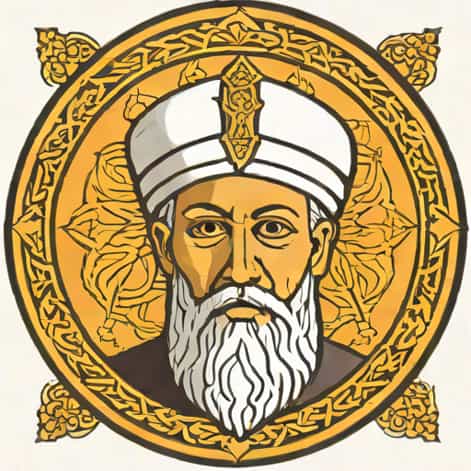
The Almoravid dynasty was a powerful Berber Muslim empire that rose to prominence in the 11th and 12th centuries, significantly influencing North Africa and the Iberian Peninsula. Understanding who was the head of the Almoravid empire requires exploring the dynasty’s origins, key leaders, and historical impact. The leaders of the Almoravids were not only political rulers but also religious reformers who sought to unify and expand their territories under strict Islamic principles. Their influence shaped the social, cultural, and political landscapes of the regions they controlled, leaving a lasting legacy in both Africa and Europe. Identifying the head of the Almoravid empire helps contextualize the leadership structure and the dynasty’s significant achievements in history.
The Origins of the Almoravid Dynasty
The Almoravids originated in the Sahara Desert region, primarily among the Sanhaja Berber tribes. They were initially a religious movement focused on the strict interpretation of Sunni Islam, which eventually transformed into a political and military power. The movement began in the early 11th century under the guidance of religious scholars who emphasized the enforcement of Islamic law and moral discipline. Their early organization was centered on spiritual leadership, which later evolved into dynastic rule as they conquered new territories.
Founding Leaders and Early Headship
The founder of the Almoravid movement and its first significant head was Abdallah ibn Yasin. He was a theologian and spiritual leader who united various Berber tribes under the principles of Islam. Abdallah ibn Yasin played a crucial role in establishing the religious framework that guided the Almoravids and in organizing their early military campaigns to enforce religious conformity and expand their influence. Although not a king in the traditional sense, Ibn Yasin was the spiritual and ideological head of the Almoravids, laying the foundation for the later dynastic rulers who combined both religious and political authority.
Yusuf ibn Tashfin The Political and Military Leader
The most prominent and historically recognized head of the Almoravid empire was Yusuf ibn Tashfin. He rose to power in the late 11th century and became the central figure in the dynasty’s expansion across North Africa and into Al-Andalus, the Muslim-ruled territories of the Iberian Peninsula. Yusuf ibn Tashfin was both a political leader and a military strategist, consolidating the empire and establishing its presence as a dominant force in the western Islamic world.
Contributions of Yusuf ibn Tashfin
Yusuf ibn Tashfin’s leadership was marked by several significant achievements. He unified fragmented Berber tribes and extended the Almoravid empire’s control over Morocco, western Algeria, and southern Spain. He is particularly famous for leading Almoravid forces to support the Muslim states in Al-Andalus against the advancing Christian Reconquista. Under his command, the Almoravids won the decisive Battle of Sagrajas in 1086, which temporarily halted Christian advances and strengthened the influence of the empire in Iberia.
- Established Marrakesh as the political and cultural capital of the Almoravid empire.
- Integrated religious authority with political leadership to maintain social order.
- Implemented administrative systems to govern a diverse and expansive territory.
- Expanded trade routes and strengthened economic stability across the empire.
Yusuf ibn Tashfin’s role as the head of the Almoravids combined spiritual legitimacy with military power, making him one of the most influential leaders in the dynasty’s history. His leadership ensured the consolidation of power and the preservation of the Almoravid state during a period of significant external threats.
Religious Leadership in the Almoravid Empire
Although Yusuf ibn Tashfin served as the political and military head, the Almoravid empire maintained a strong religious foundation. The dynasty’s rulers were guided by Islamic scholars, and religious leaders played a critical role in legitimizing their authority. The Almoravid heads emphasized adherence to the Maliki school of Sunni Islamic jurisprudence, enforcing strict moral codes and religious practices throughout their territories. This fusion of religious and political leadership allowed the Almoravids to maintain control and unify diverse populations under shared Islamic principles.
Abdallah ibn Yasin and Religious Authority
Even after Yusuf ibn Tashfin became the political head, Abdallah ibn Yasin’s teachings continued to influence the Almoravid leadership. The early spiritual guidance provided by Ibn Yasin set the tone for how rulers exercised authority, blending military conquest with religious legitimacy. This dual emphasis on faith and governance defined the Almoravid approach and distinguished them from other contemporary dynasties.
Succession of Almoravid Heads
After Yusuf ibn Tashfin, the headship of the Almoravid empire passed to his descendants. His son, Ali ibn Yusuf, succeeded him and continued to expand the empire while maintaining its strict religious policies. Under Ali ibn Yusuf, the Almoravids faced challenges from both internal dissent and external pressures, particularly from the Christian kingdoms of Iberia. Despite these challenges, the dynasty remained influential until the mid-12th century, when it began to decline due to internal fragmentation and the rise of the Almohads.
- Yusuf ibn TashfinConsolidated and expanded the empire, led military campaigns, and established Marrakesh.
- Ali ibn YusufMaintained expansion, upheld religious principles, and faced external threats.
- Subsequent rulersExperienced fragmentation and decline, eventually losing power to the Almohads.
The Legacy of the Almoravid Leadership
The heads of the Almoravid dynasty, particularly Yusuf ibn Tashfin, left a lasting legacy in both North Africa and Spain. Their combination of religious zeal, political authority, and military prowess influenced governance, law, and culture in the regions they controlled. The Almoravid dynasty also facilitated the spread of Islamic architecture, trade, and scholarship, contributing to the broader development of the western Islamic world.
Impact on North Africa and Iberia
The Almoravids reinforced Islamic rule in Morocco and Al-Andalus, resisting Christian expansion and shaping cultural exchange between Africa and Europe. They established cities like Marrakesh as centers of learning, commerce, and political power. Their rule influenced subsequent dynasties and provided a model of governance that combined religious authority with political strategy. The heads of the Almoravid dynasty exemplified the integration of military, political, and spiritual leadership, leaving a legacy that persisted even after the empire’s decline.
The head of the Almoravid empire was initially Abdallah ibn Yasin, who provided spiritual guidance and united Berber tribes under Islamic principles. The most historically recognized head was Yusuf ibn Tashfin, who combined political, military, and religious authority to expand and consolidate the empire across North Africa and the Iberian Peninsula. Subsequent rulers, including Ali ibn Yusuf, continued the dynasty’s legacy until its decline in the mid-12th century. The leadership of the Almoravids demonstrates the importance of combining spiritual legitimacy with political and military strategy, leaving a lasting impact on both African and European history. Their legacy continues to be studied for insights into governance, religious influence, and empire-building in the medieval Islamic world.