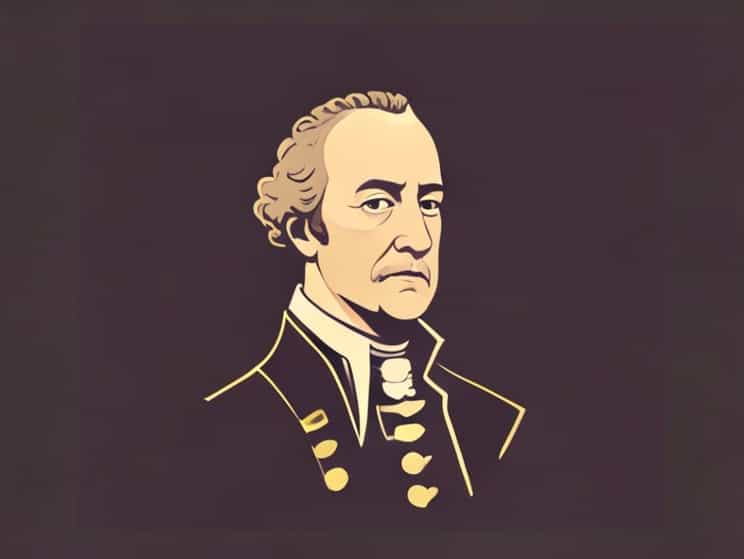
Louis XIV, also known as the Sun King, ruled France from 1643 to 1715 and is often remembered as the embodiment of absolute monarchy. His reign, which lasted over seventy years, marked a period of centralization of power unprecedented in French history. Many historians consider Louis XIV a dictator because he exercised near-total control over the French state, limiting the influence of nobles, manipulating institutions to serve his interests, and maintaining a strict hierarchical society centered around his authority. Understanding why Louis XIV earned this characterization requires a close look at his consolidation of power, control over government institutions, treatment of opposition, and the symbolic use of monarchy to assert his dominance over France.
The Concept of Absolute Monarchy
Before exploring Louis XIV’s dictatorial characteristics, it is important to understand the framework of absolute monarchy. Absolute monarchy is a system in which a single ruler holds supreme authority over the state, with few or no legal or institutional checks on their power. In this system, the king’s will is considered law, and his decisions are final. Louis XIV famously encapsulated this idea with the phrase, L’état, c’est moi, which translates to I am the state, reflecting his belief that his authority was not subject to any earthly limitations. This philosophy laid the foundation for his centralization of power and suppression of dissent.
Centralization of Power
One of the key reasons Louis XIV is considered a dictator is his systematic centralization of political power. At the beginning of his reign, France was governed through a combination of regional parliaments, local nobles, and traditional privileges that limited the king’s control. Louis XIV sought to remove these constraints by consolidating authority in the monarchy. He curtailed the power of the nobility, ensuring that major political decisions required his approval. The king personally controlled important aspects of government, including taxation, foreign policy, and the military, leaving little room for alternative centers of power.
- Reduced the influence of regional parliaments that previously had judicial and legislative power
- Centralized tax collection under royal officials, bypassing local authorities
- Appointed loyal ministers to key government positions, minimizing the influence of powerful nobles
This concentration of power in the hands of Louis XIV meant that almost every aspect of French governance reflected his personal will.
Control Over the Nobility
Another hallmark of Louis XIV’s dictatorial rule was his control over the French nobility. Traditionally, nobles held significant influence over local regions and the royal court. Louis XIV undermined their independence by requiring many nobles to reside at the Palace of Versailles, effectively keeping them under his watch and dependent on royal favor. By controlling their access to power and wealth, he minimized their ability to challenge his authority or act independently.
- Creation of Versailles as a political tool to manage and monitor the nobility
- Granting privileges and positions at court selectively to reward loyalty
- Reducing the military and political autonomy of powerful regional lords
Through these measures, Louis XIV turned potential rivals into instruments of his personal authority, reinforcing his dominance over the state.
Manipulation of Institutions
Louis XIV also strengthened his dictatorship by manipulating governmental and religious institutions to serve his interests. He centralized administration by appointing intendants, royal officials who acted as his direct representatives in various provinces. These intendants enforced royal policies, collected taxes, and reported directly to the king, bypassing traditional local authorities.
Control of Religion
Religion played a critical role in legitimizing Louis XIV’s power. He aligned the French Catholic Church closely with the monarchy and sought to suppress dissenting religious groups, particularly Protestants. The revocation of the Edict of Nantes in 1685, which had previously granted Huguenots limited religious freedoms, demonstrated his willingness to enforce religious conformity to consolidate power.
- Revocation of the Edict of Nantes to strengthen Catholic dominance
- Promotion of Gallicanism to assert state control over church affairs in France
- Use of religious symbolism to reinforce the king’s divine right and authority
By controlling religious institutions, Louis XIV further centralized authority and eliminated potential sources of opposition.
Military Power and Expansion
Military control was another dimension of Louis XIV’s dictatorial rule. He expanded and professionalized the French army, making it loyal to the monarchy rather than regional commanders or nobles. Military campaigns, both defensive and expansionist, served not only to enhance France’s influence in Europe but also to reinforce the king’s personal authority at home.
- Increased standing army size and created a professional military hierarchy
- Centralized command under the king to prevent challenges from local or noble forces
- Used military victories to enhance prestige and legitimize his absolute authority
By controlling the military, Louis XIV ensured that no internal or external challenge could easily threaten his rule, a characteristic common to dictatorial leadership.
Symbolism and Propaganda
Louis XIV understood the importance of symbolism in maintaining power. The construction of the Palace of Versailles, lavish ceremonies, and the king’s careful cultivation of a public image served to reinforce his authority. Through art, architecture, and court ritual, Louis XIV projected himself as the center of political, social, and cultural life in France. This deliberate use of spectacle and propaganda helped secure obedience and admiration from subjects, further consolidating his dictatorial position.
- Versailles as a symbol of centralized power and royal dominance
- Elaborate ceremonies emphasizing loyalty to the king
- Patronage of the arts to glorify his reign and reinforce authority
Legacy of Louis XIV’s Dictatorship
Louis XIV’s reign left a lasting impact on France and the concept of absolute monarchy. His methods of centralizing power, controlling the nobility, manipulating institutions, and using symbolism set a model for later rulers seeking unchallenged authority. While some historians praise his contributions to state-building and culture, others criticize the repression, forced conformity, and militarization associated with his rule. The concentration of power in his hands, combined with his long-lasting influence, justifies the characterization of Louis XIV as a dictator in historical analysis.
Critiques and Controversies
Critics of Louis XIV argue that his policies often prioritized the glorification of the monarchy over the welfare of the population. High taxation to fund wars and extravagant spending on Versailles placed burdens on peasants and common citizens. Religious persecution, centralization of power, and suppression of dissenting voices illustrate elements of authoritarianism that mirror modern concepts of dictatorship.
Louis XIV is considered a dictator due to his consolidation of power, control over the nobility, manipulation of religious and political institutions, and centralization of military authority. His reign exemplifies absolute monarchy, where the king’s will was the ultimate law, and opposition was systematically curtailed. Through Versailles, ceremonial grandeur, and propaganda, he reinforced his image as the supreme authority. While his contributions to French culture and state-building are significant, the methods he employed highlight the dictatorial nature of his leadership. Louis XIV’s rule remains a defining example of centralized, absolute authority in European history and continues to serve as a case study for understanding the dynamics of dictatorship and absolute monarchy.