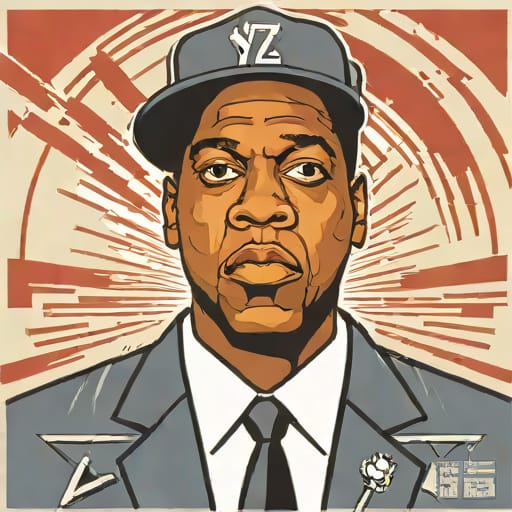
The question of whether Jay-Z will be prosecuted has sparked widespread discussion in both legal circles and popular media. As one of the most influential figures in music and business, Jay-Z’s name carries weight far beyond the entertainment industry, making any legal allegations against him a matter of public interest. Speculation around potential prosecution often emerges from news reports, rumors, or ongoing investigations, but understanding the legal realities behind such cases is crucial. The process of determining prosecution involves evidence, jurisdiction, and discretion by authorities, meaning that high-profile status alone does not dictate the outcome. Examining the legal framework and historical context can clarify what factors influence whether a figure like Jay-Z could face criminal proceedings.
Understanding the Legal Process
Before discussing whether Jay-Z could be prosecuted, it is important to understand how the legal process works in general. Prosecution in criminal cases is initiated by law enforcement and public prosecutors when there is sufficient evidence of a crime. The process involves investigation, collection of evidence, and formal charges. Prosecutors have discretion in deciding whether to proceed, taking into account the strength of evidence, public interest, and likelihood of a successful trial. Even high-profile individuals are subject to the same legal principles, meaning that celebrity status does not automatically prevent prosecution, but it can influence media coverage and public perception.
Factors That Determine Prosecution
Several key factors determine whether an individual, including Jay-Z, could face prosecution
- EvidenceThe strength and credibility of evidence are the most critical factors in deciding to prosecute. Without substantial proof, authorities are unlikely to move forward with charges.
- JurisdictionLegal authority depends on where the alleged offense took place. Different states or countries have varying laws that affect prosecution possibilities.
- Legal RepresentationHigh-profile individuals often have access to top legal counsel, which can influence investigations and outcomes, although it does not eliminate accountability.
- Public InterestProsecutors sometimes weigh whether pursuing a case serves the public interest, especially in complex or high-profile matters.
Recent Allegations and Public Speculation
Media coverage often drives speculation about celebrity prosecutions. In Jay-Z’s case, rumors or allegations reported in entertainment news may not always align with legal realities. It is essential to differentiate between unverified claims and official investigations. When a public figure faces accusations, authorities must conduct thorough reviews to determine the legitimacy of the claims. Legal experts caution against assuming prosecution based solely on media reporting, emphasizing that formal legal proceedings require documented evidence and due process.
High-Profile Status and Legal Scrutiny
Jay-Z’s prominence can lead to heightened scrutiny, meaning any allegations are likely to attract immediate media attention. This visibility can create public pressure, but it also emphasizes the importance of fairness in the legal process. Authorities are tasked with ensuring that decisions are based on law and evidence, not public opinion. While high-profile individuals sometimes face more intense media coverage, the legal principles of presumption of innocence and burden of proof remain unchanged, ensuring a balanced approach to any potential prosecution.
Legal Protections and Challenges
In addition to the standard legal framework, celebrities like Jay-Z may have certain protections or face specific challenges in legal matters. Experienced legal teams can help navigate procedural complexities, challenge evidence, and ensure that constitutional rights are upheld. Conversely, public attention can complicate investigations, as witnesses and evidence may be influenced by media coverage. These factors make high-profile cases uniquely challenging, both for the accused and for prosecutors seeking to maintain fairness and integrity.
Public Perception vs. Legal Reality
One of the most significant aspects of discussions around Jay-Z’s potential prosecution is the difference between public perception and legal reality. Social media and entertainment outlets can amplify rumors and unverified claims, creating a narrative that may not reflect actual legal proceedings. In reality, prosecution decisions are based on documented facts, admissible evidence, and procedural rules. Understanding this distinction is critical for anyone following celebrity legal news, as media hype does not equate to legal action.
Historical Examples of Celebrity Prosecutions
Examining past cases of celebrities facing legal action can provide insight into how a figure like Jay-Z might be treated. Some high-profile individuals have been prosecuted successfully, while others have avoided charges due to insufficient evidence. Key lessons from these cases include the importance of thorough investigations, the impact of legal representation, and the role of public interest in prosecutorial discretion. These examples illustrate that fame can influence visibility but does not fundamentally alter legal principles.
Steps in a Potential Investigation
If Jay-Z were to face allegations leading to potential prosecution, the process would likely involve several steps
- Initial investigation by law enforcement agencies.
- Collection and verification of evidence.
- Consultation with public prosecutors regarding legal viability.
- Possible formal charges if sufficient evidence is found.
- Pre-trial proceedings, including hearings and potential plea negotiations.
Each step requires careful adherence to legal standards, ensuring that any decision to prosecute is justified and defensible in court.
The Role of Legal Experts and Advisors
Legal experts play a crucial role in high-profile cases. Lawyers evaluate the strength of evidence, advise on potential defenses, and guide their clients through complex procedures. For Jay-Z, access to experienced legal counsel would be a key factor in responding to allegations and navigating any investigation. Prosecutors, too, rely on legal expertise to assess whether pursuing a case is legally sound and in the public interest. This interplay between defense and prosecution is central to ensuring a fair and balanced legal process.
Speculation and Media Coverage
Media speculation often exaggerates the likelihood of prosecution, creating public confusion. Headlines and social media trends can imply that legal action is imminent even when investigations are preliminary or inconclusive. Experts advise that followers of such news pay attention to official statements from law enforcement or courts rather than relying solely on entertainment reporting. This approach helps distinguish between rumor and verified legal developments, fostering a more accurate understanding of potential prosecution scenarios.
While the question of whether Jay-Z will be prosecuted remains a topic of interest, legal realities must guide any conclusions. Prosecution depends on sufficient evidence, jurisdiction, and discretion by authorities, regardless of public status or media speculation. High-profile individuals like Jay-Z face unique challenges, including intense scrutiny and public attention, but the core principles of law presumption of innocence, burden of proof, and due process apply equally to everyone. Understanding these factors provides a clearer perspective on the potential for legal action.
In summary, discussions about Jay-Z being prosecuted highlight the intersection of celebrity, media, and law. While rumors and speculation abound, formal prosecution requires concrete evidence and adherence to legal procedures. High-profile status may influence public perception and media coverage, but it does not override the foundational legal standards. By separating media hype from legal realities, the public can better understand the complexities of potential prosecution scenarios and the importance of due process in the justice system.
Ultimately, whether Jay-Z will be prosecuted cannot be determined without verified legal developments and official investigations. The principles of evidence, legal discretion, and procedural fairness guide any potential action. Fans, observers, and legal enthusiasts alike should focus on factual updates from credible sources while recognizing the distinction between rumor and reality. This approach ensures informed discussion and respect for both the legal process and the rights of the individual involved.
The conversation surrounding Jay-Z and potential prosecution serves as a reminder of the importance of legal literacy in contemporary society. Understanding how prosecutions work, the factors that influence decisions, and the protections afforded to all individuals ensures a well-informed public. While speculation will likely continue in media circles, the ultimate outcome depends on law, evidence, and due process, emphasizing that justice operates on principle rather than popularity or fame.