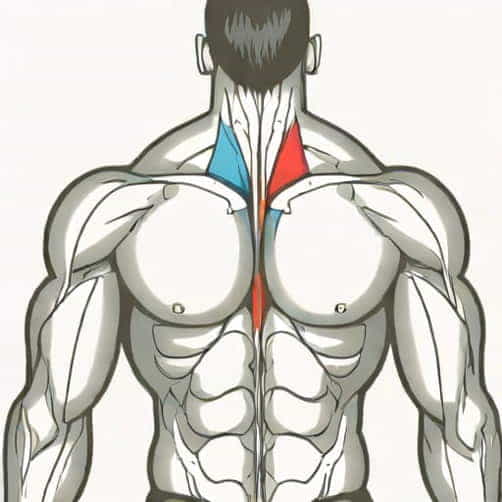
Understanding the location and function of your trapezius and rhomboid muscles is essential for anyone interested in fitness, posture correction, or anatomy. These muscles play a critical role in supporting the shoulders, neck, and upper back while facilitating movement and stability. Many people experience tension, pain, or weakness in these areas due to prolonged sitting, poor posture, or lack of exercise. By knowing where these muscles are located and how they function, you can better target them during workouts, improve posture, and prevent discomfort or injury. This topic explores the anatomy, location, and function of the trapezius and rhomboid muscles in detail, offering practical insights for health, fitness, and everyday movement.
Overview of the Trapezius Muscle
The trapezius is a large, triangular-shaped muscle that spans the upper back, neck, and shoulders. It is one of the most important muscles for upper body movement and posture. The name trapezius comes from the Greek word for table, reflecting the muscle’s flat, trapezoid shape. This muscle is superficial, meaning it is located close to the skin, and it can be easily palpated or felt in the upper back and shoulder area.
Location of the Trapezius
The trapezius muscle originates from several points along the spine, including the base of the skull, the cervical vertebrae (C1-C7), and the thoracic vertebrae (T1-T12). It extends outward to attach to the clavicle (collarbone), acromion, and scapular spine of the shoulder blade. This positioning allows the trapezius to cover much of the upper back and neck region, forming a broad, triangular shape that is easy to recognize when performing shoulder and neck movements.
Function of the Trapezius
The trapezius muscle has multiple functions due to its large size and complex structure. It is commonly divided into three parts upper, middle, and lower fibers, each contributing to different movements.
- Upper fibersElevate the shoulders, assist in neck extension, and enable upward rotation of the shoulder blades.
- Middle fibersRetract the scapulae, bringing the shoulder blades toward the spine and supporting good posture.
- Lower fibersDepress the shoulders and assist in upward rotation, stabilizing the shoulder girdle during arm movements.
Because of its diverse functions, the trapezius is essential for lifting, pulling, and rotating the shoulders and neck. Weakness or tension in this muscle can lead to neck pain, shoulder discomfort, or poor posture.
Overview of the Rhomboid Muscles
The rhomboid muscles are smaller, deeper muscles located underneath the trapezius in the upper back. They consist of two muscles the rhomboid major and rhomboid minor. These muscles play a crucial role in stabilizing the scapulae (shoulder blades) and supporting upper back posture. While less visible than the trapezius, the rhomboids are essential for proper shoulder mechanics and are often targeted in exercises that strengthen the mid-back.
Location of the Rhomboid Muscles
The rhomboid minor originates from the lower cervical vertebrae (C7-T1), while the rhomboid major originates from the upper thoracic vertebrae (T2-T5). Both muscles insert along the medial border of the scapula, which is the edge closest to the spine. This location positions the rhomboids directly underneath the trapezius, forming a supportive layer that helps retract and stabilize the shoulder blades during movement.
Function of the Rhomboid Muscles
The rhomboid muscles have several key functions that complement the trapezius
- Scapular retractionPull the shoulder blades toward the spine, essential for maintaining upright posture.
- Scapular elevationAssist in lifting the shoulder blades slightly.
- Scapular stabilizationKeep the shoulder blades steady during arm and shoulder movements, preventing excessive winging or rotation.
Strengthening the rhomboids can reduce upper back pain, improve posture, and enhance the efficiency of shoulder and arm movements. Stretching and mobility exercises also help relieve tension caused by prolonged sitting or desk work.
Relationship Between Trapezius and Rhomboids
The trapezius and rhomboid muscles work together to control and stabilize the scapulae. While the trapezius has a more superficial and versatile role, the rhomboids provide deeper support and precise retraction. Together, these muscles enable smooth and coordinated movements of the shoulders and upper back. Imbalances, such as tight trapezius fibers or weak rhomboids, can lead to postural problems like rounded shoulders, forward head posture, and chronic upper back tension.
Common Issues and Postural Concerns
Many people experience discomfort in the upper back and neck due to sedentary lifestyles, poor ergonomics, or lack of strength in these muscles. Common issues include
- Neck and shoulder tension caused by overactive upper trapezius muscles.
- Rounded shoulders due to weak middle trapezius and rhomboid muscles.
- Scapular winging, where the shoulder blades protrude outward because the rhomboids cannot stabilize them effectively.
Addressing these issues through targeted exercises, posture correction, and stretching can significantly improve comfort, mobility, and overall back health.
Exercises to Strengthen Trapezius and Rhomboids
Properly targeting these muscles involves both strengthening and stretching. Some effective exercises include
- RowsUsing resistance bands, dumbbells, or a rowing machine to pull the shoulders back and engage the rhomboids and middle trapezius.
- Shoulder shrugsElevate and lower the shoulders to strengthen the upper trapezius.
- Face pullsA cable or band exercise that targets both rhomboids and rear deltoids for scapular retraction and posture improvement.
- Scapular squeezesSimply pulling the shoulder blades together while seated or standing to engage the rhomboids and mid-trapezius.
- StretchingStretch the trapezius by tilting the head to the side and the rhomboids through reaching forward while hugging a ball or wall.
Your trapezius and rhomboid muscles are located in the upper back and neck, with the trapezius covering a broad superficial area and the rhomboids lying deeper, connecting the spine to the medial border of the shoulder blades. These muscles are vital for shoulder movement, posture, and scapular stability. Understanding their location and function is crucial for anyone aiming to improve posture, reduce upper back pain, or enhance upper body strength. Targeted exercises, stretching, and awareness of these muscles can prevent tension, correct imbalances, and support overall back health. By learning about your trapezius and rhomboids, you can better address the physical demands of modern life, maintain healthy posture, and optimize upper body performance.