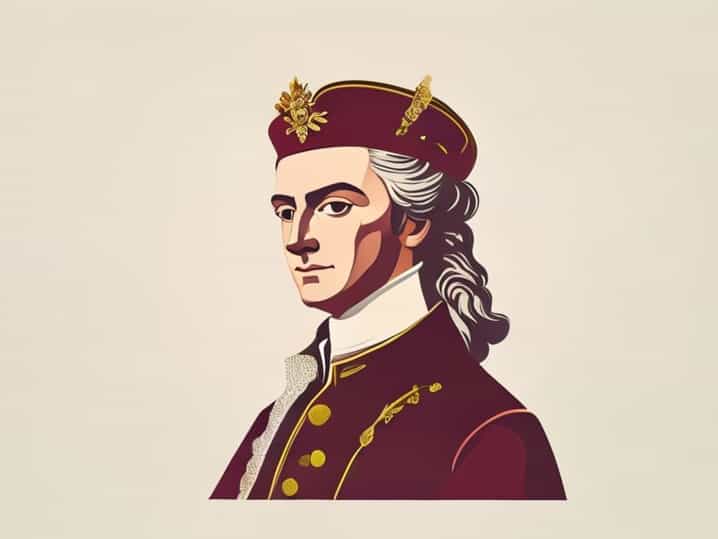
Louis XIV of France is often remembered as one of the most powerful monarchs in European history. His long reign transformed France into a dominant political, military, and cultural force. When historians ask how Louis XIV was a model of absolutism, they are examining how his rule demonstrated the core principles of absolute monarchy. Absolutism placed all authority in the hands of the king, minimizing limits on royal power and reducing the influence of nobles, representative bodies, and regional institutions. Louis XIV’s policies, personality, and methods of governance made him the clearest example of this system.
The Concept of Absolutism in Early Modern Europe
Absolutism was a political system in which a monarch held supreme authority over the state. The king’s power was not subject to constitutional limits, parliamentary approval, or strong checks from other institutions. In theory, the ruler governed by divine right, meaning their authority came directly from God.
This idea developed during a period of religious conflict, economic change, and political instability. Many rulers believed that strong centralized power was necessary to maintain order. Louis XIV embraced this belief fully and shaped his reign around it.
Louis XIV and the Divine Right of Kings
One of the most important reasons Louis XIV was a model of absolutism was his firm belief in the divine right of kings. He believed that God had chosen him to rule France and that his authority could not be questioned by subjects.
This belief justified his control over lawmaking, taxation, religion, and the military. By presenting himself as God’s representative on Earth, Louis XIV reinforced loyalty and discouraged rebellion.
The King as the State
Louis XIV famously expressed the idea that the state and the king were inseparable. While the exact wording is debated, the message was clear political power flowed directly from him. This mindset became central to absolutist theory.
Centralization of Political Power
Louis XIV worked tirelessly to centralize power in his own hands. He reduced the influence of the nobility by removing them from positions of real authority and replacing them with royal officials who depended on the king.
These officials, often from the middle class, were loyal to Louis because their status and income came directly from him. This system weakened traditional feudal structures and strengthened royal control.
Control Over the Nobility
Rather than eliminating the nobility, Louis XIV neutralized their political power by keeping them close. He required many nobles to spend time at the royal court, where their lives revolved around ceremony and competition for royal favor.
By turning nobles into courtiers, Louis prevented them from building independent power bases in the provinces. This strategy was a key feature of his absolutist rule.
The Role of Court Life
Life at court was highly regulated and centered on the king. Access to Louis XIV became a privilege, reinforcing his authority and reminding nobles that their status depended on royal approval.
The Palace of Versailles as a Symbol of Absolutism
The construction of the Palace of Versailles was both a political and symbolic act. Versailles was designed to display wealth, power, and control. Everything about the palace reflected the king’s central role.
By moving the court to Versailles, Louis XIV physically placed himself at the center of political life. The palace became a stage where absolutism was performed daily.
Louis XIV’s Control of Government and Law
As an absolute monarch, Louis XIV made all major decisions himself. He personally oversaw councils, approved laws, and directed state policy. While advisors offered input, the final authority always rested with the king.
Regional parliaments and assemblies were weakened or ignored when they opposed royal decisions. This ensured that laws reflected the king’s will rather than local interests.
Economic Policies and Royal Authority
Louis XIV used economic policy to strengthen the state and his own authority. Through mercantilist policies, the government regulated trade, supported manufacturing, and increased state revenue.
Strong economic control allowed the king to fund wars, build monuments, and maintain a powerful military without relying heavily on representative institutions for approval.
Military Power and Absolutism
A standing army loyal to the crown was another pillar of Louis XIV’s absolutist system. He expanded and professionalized the French military, placing it firmly under royal command.
This reduced reliance on feudal armies controlled by nobles and ensured that military power supported the central state.
War as an Expression of Royal Power
Louis XIV used war to expand France’s borders and demonstrate strength. Military success reinforced his image as a powerful and divinely favored ruler.
Religion and Royal Authority
Religion played a crucial role in Louis XIV’s absolutism. He believed that religious unity strengthened the state. To enforce this, he supported the Catholic Church and limited religious dissent.
By revoking protections for religious minorities, Louis aimed to create unity under both one king and one faith. While controversial, this policy reflected his belief that spiritual and political authority should be unified.
Cultural Control and Royal Image
Louis XIV understood the power of culture in shaping public perception. He supported artists, writers, and architects who glorified his reign. Art and literature portrayed him as wise, strong, and almost godlike.
This control over cultural expression helped spread the idea of absolutism beyond government institutions and into everyday life.
Why Louis XIV Became the Model of Absolutism
Louis XIV is considered the model of absolutism because he successfully combined ideology, administration, military strength, and symbolism into a single system centered on the king.
Other European rulers looked to France as an example. His reign demonstrated how centralized authority could create stability, power, and international influence.
- He ruled by divine right
- He centralized political authority
- He controlled the nobility
- He commanded the military directly
- He shaped culture and religion to support the state
Limits and Consequences of Absolutism
While Louis XIV’s absolutist system was powerful, it also had limits. Continuous wars drained the treasury, and strict control sometimes caused social tension.
These long-term problems would later challenge the system of absolute monarchy in France. Still, during his lifetime, Louis maintained control and authority unmatched by most rulers.
Louis XIV was a model of absolutism because he embodied its principles more fully than any other European monarch. Through belief in divine right, centralization of power, control of nobles, and strategic use of culture and military force, he created a state that revolved entirely around the king. His reign defined what absolutism looked like in practice and left a lasting influence on political thought and European history.