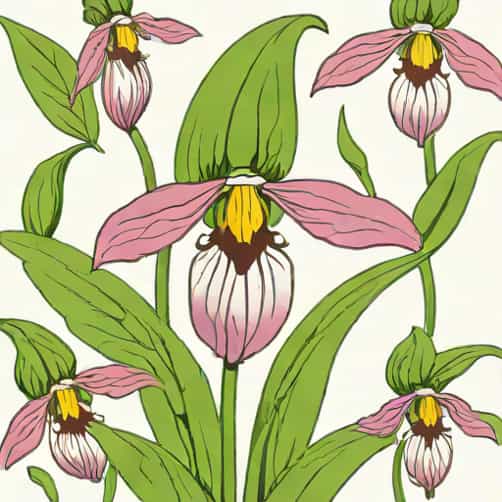
Cypripedium pubescens x tibeticum is a fascinating hybrid orchid that combines the unique characteristics of two distinct species, Cypripedium pubescens and Cypripedium tibeticum. Orchid enthusiasts and horticulturists often seek this hybrid for its striking flowers, intriguing growth habits, and adaptability in temperate gardens. The cross between these two species brings together the soft, graceful beauty of C. pubescens with the exotic, vibrant traits of C. tibeticum, resulting in a plant that is both visually appealing and horticulturally significant. Understanding its cultivation, morphology, and environmental requirements is essential for successfully growing this hybrid and appreciating its botanical uniqueness.
Origin and Botanical Background
Cypripedium pubescens, commonly known as the Yellow Lady’s Slipper, is native to North America and is prized for its large, yellow pouch-shaped flowers. It thrives in woodlands and shaded areas with well-drained soil. On the other hand, Cypripedium tibeticum, native to the Himalayan regions, features dark maroon to purple flowers with intricate patterns and a dramatic, eye-catching appearance. The hybrid, Cypripedium pubescens x tibeticum, combines these traits, producing flowers with a unique blend of colors, textures, and forms. This cross represents a remarkable botanical achievement that appeals to collectors and garden enthusiasts worldwide.
Flower Morphology
The flowers of Cypripedium pubescens x tibeticum are distinctive and often display a combination of yellow, burgundy, and reddish hues. The pouch-like structure, inherited from C. pubescens, provides a familiar shape, while the richer, darker tones of C. tibeticum add depth and visual intrigue. Each flower is typically supported by a sturdy stem, and the hybrid may produce multiple blooms in a single growing season. The petals and sepals often show subtle hair-like textures, contributing to the plant’s overall aesthetic appeal. This combination of traits makes the hybrid a standout addition to any orchid collection.
Growing Conditions and Care
Successfully cultivating Cypripedium pubescens x tibeticum requires attention to its specific environmental needs. Like many orchids, it prefers partially shaded areas where it is protected from direct sunlight, which can damage its delicate foliage and flowers. Well-drained, humus-rich soil is ideal, mimicking the natural woodland habitats of its parent species. Regular watering is important, but the soil should not remain waterlogged, as this can lead to root rot. Mulching with leaf litter or bark helps retain moisture and provides nutrients as it decomposes.
Temperature and Climate
This hybrid thrives in temperate climates with distinct seasonal changes. It can tolerate cold winters, thanks to the hardiness inherited from C. pubescens, while benefiting from the adaptability of C. tibeticum to cooler, high-altitude conditions. Maintaining a balance between cold dormancy in winter and warm, moist conditions in the growing season is crucial for optimal flowering and healthy growth. Gardeners in temperate regions can cultivate this hybrid outdoors, while those in warmer climates may need to simulate cooler conditions to ensure successful growth.
Propagation Techniques
Propagation of Cypripedium pubescens x tibeticum is typically achieved through division or seed cultivation. Division involves separating mature rhizomes during the dormant season and replanting them in suitable growing medium. This method ensures that the genetic traits of the hybrid are preserved. Seed propagation is more challenging, as orchid seeds require specific fungal associations for germination. However, it offers the potential for creating new hybrids with unique characteristics. Both techniques require careful attention to moisture, light, and soil conditions to ensure successful establishment and growth.
Common Pests and Diseases
Like other orchids, Cypripedium pubescens x tibeticum can be susceptible to pests such as slugs, snails, and aphids. Fungal infections may also occur if the growing environment is too humid or poorly drained. Regular inspection, proper spacing for air circulation, and maintaining clean growing conditions help prevent these issues. Organic treatments, such as neem oil or natural predators, can be used to manage pests without harming the plant. Awareness and timely intervention are key to preserving the health and beauty of this hybrid.
Ornamental and Horticultural Value
The ornamental value of Cypripedium pubescens x tibeticum is significant, making it a prized addition to botanical gardens, private collections, and landscape designs. Its unique combination of colors and textures provides visual interest and diversity in garden settings. Additionally, the hybrid serves as an example of successful interspecific breeding, demonstrating the possibilities of combining traits from different species to create plants with enhanced aesthetic and adaptive qualities. Gardeners and collectors value this orchid not only for its beauty but also for its representation of botanical innovation.
Environmental and Conservation Considerations
While cultivating hybrids like Cypripedium pubescens x tibeticum, it is important to consider conservation aspects. Both parent species are sensitive to habitat loss and environmental changes in the wild. By growing hybrids responsibly in controlled environments, horticulturists can reduce pressure on wild populations and contribute to conservation awareness. Responsible sourcing of plants, avoiding wild collection, and sharing knowledge about cultivation help ensure that this hybrid and its parent species continue to thrive for future generations of orchid enthusiasts.
Cypripedium pubescens x tibeticum represents a remarkable achievement in orchid hybridization, combining the elegance of C. pubescens with the exotic beauty of C. tibeticum. Its distinctive flowers, adaptability to temperate climates, and ornamental value make it a highly sought-after plant for collectors and gardeners. Successful cultivation requires attention to light, soil, water, and seasonal changes, while careful propagation ensures the preservation of its unique traits. Beyond its aesthetic appeal, this hybrid underscores the importance of responsible horticulture and conservation, demonstrating how human innovation can complement the natural beauty of orchids.
- Hybrid Cypripedium pubescens x tibeticum
- Parent species Cypripedium pubescens (Yellow Lady’s Slipper), Cypripedium tibeticum (Himalayan Orchid)
- Flower traits Pouch-shaped, yellow and burgundy hues, hair-like textures
- Growing conditions Partial shade, well-drained humus-rich soil, temperate climate
- Propagation Division or seed cultivation
- Common pests Slugs, snails, aphids; fungal infections
- Ornamental value Unique appearance, garden enhancement, horticultural innovation
- Conservation Responsible cultivation reduces pressure on wild populations