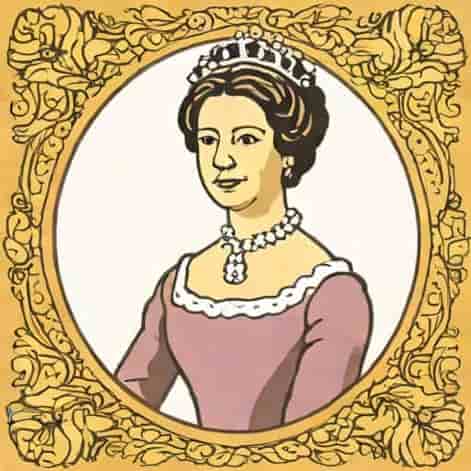
Queen Charlotte Bridgerton, a fictionalized version of the historical Queen Charlotte of England, has captured public attention through the popular Netflix series Bridgerton. While the show portrays her as a vibrant and influential figure within the royal court, there has been curiosity and speculation among fans about the historical reality of her life, particularly regarding the claims that she died in childbirth. Understanding both the fictional representation and historical context helps clarify the story, exploring her life, family, and the dramatic elements used in storytelling.
The Character of Queen Charlotte in Bridgerton
In the Netflix series Bridgerton, Queen Charlotte is portrayed as a powerful and often commanding presence, overseeing London society and influencing the lives of the aristocracy. The show emphasizes her intelligence, wit, and occasionally stern demeanor, creating a multidimensional character who interacts with both the Bridgerton family and other key figures of the ton. Her character plays a significant role in advancing plotlines related to social norms, courtly expectations, and marriage arrangements. This portrayal has sparked widespread interest in the real Queen Charlotte and her life story.
Personality and Influence
- Authoritative presence The series emphasizes her control over social and political matters within the court.
- Strategic thinker Queen Charlotte is depicted as someone who understands the nuances of societal expectations and personal relationships.
- Mentorship role She offers guidance and occasionally reprimands the Bridgerton family and other characters, illustrating her position as a moral and social arbiter.
- Representation of historical themes The character draws on historical accounts of Queen Charlotte’s influence, but with dramatic embellishments for narrative effect.
Historical Queen Charlotte
The historical Queen Charlotte, born Sophia Charlotte of Mecklenburg-Strelitz in 1744, became the queen consort of King George III of Great Britain and Ireland. She married George III in 1761 and played a prominent role in the royal family, overseeing a household that included fifteen children. While the Netflix series portrays her with certain liberties, the real Queen Charlotte’s life was marked by political influence, cultural patronage, and devotion to her family. Contrary to some rumors or fictional storylines, historical records indicate that she did not die in childbirth.
Her Life and Achievements
- Marriage to George III She became queen consort at the age of 17 and was deeply involved in family and court affairs.
- Motherhood Queen Charlotte gave birth to fifteen children over the course of her life, demonstrating remarkable resilience.
- Patron of the arts She supported music, architecture, and the visual arts, contributing significantly to cultural development in England.
- Legacy She remained queen consort until her death in 1818 at the age of 74, well after surviving multiple childbirths.
Misconceptions About Her Death
The claim that Queen Charlotte Bridgerton died in childbirth is largely a product of dramatic storytelling within the fictional series, rather than historical fact. In reality, Queen Charlotte survived all her pregnancies and lived a long life, dying of natural causes. The dramatization in television and popular culture sometimes blurs the line between historical accuracy and narrative needs, creating misconceptions about well-known figures. It is important to distinguish between creative interpretation and documented history when discussing her life.
Reasons for the Fictional Depiction
Television and film often introduce fictional elements for emotional impact or narrative tension. In the context of Bridgerton, the suggestion of a tragic event like death in childbirth heightens drama, emphasizes vulnerability, and connects audiences to the stakes faced by characters in an era when childbirth was inherently risky. Additionally, it serves as a narrative tool to explore themes of mortality, family, and social pressures in the 19th century, even though it does not reflect the historical record.
Childbirth in the 18th and 19th Centuries
During Queen Charlotte’s era, childbirth was indeed a significant risk for women, even those in royalty or wealth. Complications such as infections, hemorrhaging, and other medical challenges made childbirth a potentially life-threatening event. The dramatization of a queen dying in childbirth resonates with historical realities of the period, although in Charlotte’s case, she fortunately survived her pregnancies. Understanding the context of medical practices and maternal health during the 18th century helps explain why such plotlines feel plausible in historical fiction.
Maternal Health Challenges
- Limited medical knowledge Physicians and midwives often lacked effective treatments for complications during labor.
- High mortality rates Even in affluent households, maternal mortality was a real concern.
- Multiple pregnancies Frequent pregnancies increased risks of complications over time.
- Societal pressures Queens and aristocratic women were expected to produce heirs, sometimes at the expense of their own health.
The Cultural Impact of Queen Charlotte’s Story
The portrayal of Queen Charlotte in Bridgerton, including fictional elements such as death in childbirth, has influenced popular understanding of her life. The character has become a symbol of royal authority, maternal responsibility, and social influence in Regency-era England. By dramatizing her experiences, the series has sparked renewed interest in the historical figure, encouraging audiences to explore the real Queen Charlotte and the conditions of her time. Even fictionalized narratives can inspire learning and discussion about history, gender roles, and maternal health in the past.
Legacy in Media and Society
- Representation of powerful women The character shows how historical figures can be reimagined to highlight leadership and influence.
- Discussion of maternal health Storylines around childbirth draw attention to the historical risks and societal expectations faced by women.
- Renewed interest in history Audiences often research the factual lives of figures after watching dramatized portrayals.
- Cultural relevance Queen Charlotte Bridgerton’s story bridges historical context and modern storytelling, making history accessible to contemporary viewers.
Queen Charlotte Bridgerton, as depicted in the Netflix series, represents a blend of historical fact and dramatic interpretation. While the show may suggest scenarios such as dying in childbirth, historical records indicate that the real Queen Charlotte survived her many pregnancies and lived to the age of 74. The fictionalized portrayal adds emotional depth and narrative tension, highlighting themes of maternal responsibility, royal influence, and social expectations. By understanding both the historical facts and the creative liberties taken in storytelling, audiences can appreciate the character’s cultural significance while recognizing the true life and legacy of Queen Charlotte of England. This dual understanding enriches our appreciation of history and its adaptation in popular media.