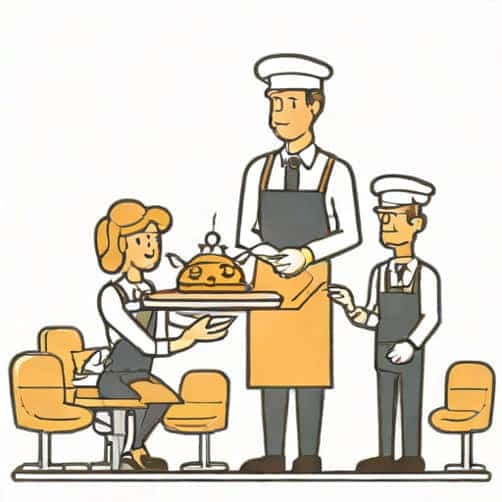
The role of waitstaff in a restaurant or dining establishment is essential to creating a positive experience for customers. Waitstaff, often referred to as servers, are the frontline employees who interact directly with guests, ensuring that their dining experience is pleasant, efficient, and memorable. While many people may think that serving food is the only responsibility of waitstaff, their role extends far beyond carrying plates from the kitchen to the table. They are responsible for communication, customer service, problem-solving, and sometimes even influencing the overall reputation of the restaurant. Understanding the primary responsibility of waitstaff requires examining the many tasks they perform daily and the skills needed to succeed in this dynamic role.
Defining the Primary Responsibility of Waitstaff
The primary responsibility of the waitstaff is to provide excellent customer service by ensuring that guests’ needs are met efficiently and courteously throughout their dining experience. This responsibility encompasses a wide range of duties, including taking orders accurately, serving food and beverages promptly, attending to special requests, and addressing any concerns or complaints. By focusing on customer satisfaction, waitstaff help create an inviting atmosphere and ensure that patrons leave the establishment feeling valued and appreciated.
Key Duties of Waitstaff
Waitstaff perform a variety of tasks that collectively contribute to their primary responsibility. These tasks include
- Greeting and Seating GuestsThe first point of contact, where waitstaff welcome diners, provide menus, and guide them to their tables.
- Presenting Menus and Explaining SpecialsWaitstaff inform guests about menu items, daily specials, and potential allergens, helping customers make informed choices.
- Taking Accurate OrdersWriting down or entering orders into a point-of-sale system accurately to ensure the kitchen prepares meals correctly.
- Serving Food and BeveragesDelivering dishes and drinks promptly while maintaining proper etiquette, presentation, and timing.
- Monitoring Guest SatisfactionChecking in with diners to ensure meals meet expectations, refilling drinks, and responding to any immediate needs.
- Handling PaymentsPresenting bills, processing payments, and returning change or receipts accurately and efficiently.
Customer Interaction and Communication
Effective communication is a critical component of the waitstaff’s role. Servers must be able to listen carefully, speak clearly, and convey information accurately between the kitchen staff and customers. This includes answering questions about menu items, suggesting pairings or specials, and explaining preparation methods. Strong communication skills also help prevent mistakes, reduce misunderstandings, and ensure that customers feel heard and respected.
Problem-Solving and Conflict Resolution
In addition to standard duties, waitstaff are often responsible for handling unexpected situations. These may include dietary restrictions, special requests, incorrect orders, or complaints. A server’s ability to remain calm, think quickly, and resolve issues diplomatically is essential to maintaining customer satisfaction. Quick problem-solving not only keeps the dining experience enjoyable but also preserves the restaurant’s reputation and encourages repeat business.
Maintaining Professionalism and Etiquette
Another important aspect of the waitstaff’s primary responsibility is maintaining professionalism at all times. This includes dressing appropriately, following proper hygiene standards, and using polite and respectful language. Professional behavior helps create a comfortable and welcoming environment for guests, ensuring that they feel valued and respected. Additionally, servers often need to balance multiple tables, manage time efficiently, and work collaboratively with coworkers, all while maintaining a friendly demeanor.
Knowledge of the Menu and Ingredients
Waitstaff must have a thorough understanding of the menu, including ingredients, preparation methods, and potential allergens. This knowledge enables them to make recommendations, answer questions, and accommodate special dietary needs. Being well-informed also allows servers to upsell items, such as beverages, appetizers, or desserts, which can increase revenue for the restaurant while enhancing the dining experience for customers.
Collaboration with Kitchen and Support Staff
While the primary responsibility of waitstaff is guest satisfaction, it is impossible to achieve this without effective collaboration with the kitchen and other support staff. Servers act as the communication link between diners and kitchen personnel, ensuring that orders are relayed correctly and special requests are understood. Coordination with bussers, hosts, and management helps maintain smooth operations, minimize delays, and provide a seamless experience for customers.
Time Management and Efficiency
Efficient time management is essential for waitstaff to handle multiple tables and ensure timely service. Prioritizing tasks, anticipating customer needs, and organizing duties strategically allows servers to meet the primary goal of providing excellent service. Effective time management also reduces stress for the waitstaff, which in turn creates a more relaxed and enjoyable experience for guests.
Importance of Waitstaff in Customer Experience
The waitstaff’s role directly impacts the overall dining experience and the success of the restaurant. Friendly, attentive, and knowledgeable servers can elevate a meal, making customers more likely to return. Conversely, inattentive or unprofessional service can negatively affect a restaurant’s reputation. By fulfilling their primary responsibility of providing exceptional customer service, waitstaff contribute to customer loyalty, positive reviews, and long-term business growth.
Skills Required for Waitstaff
To perform their primary responsibilities effectively, waitstaff need a combination of hard and soft skills
- Communication SkillsClear speaking, active listening, and the ability to convey information accurately.
- Customer Service OrientationEmpathy, patience, and a positive attitude toward guests.
- Attention to DetailEnsuring orders are correct and special requests are fulfilled.
- Time ManagementBalancing multiple tables and tasks efficiently.
- Physical StaminaThe ability to stand, walk, and carry trays for extended periods.
- Problem-SolvingQuickly addressing issues and resolving conflicts in a professional manner.
the primary responsibility of the waitstaff is to provide excellent customer service by attending to the needs of guests, ensuring accurate orders, timely delivery, and a pleasant dining experience. This responsibility is multifaceted, involving effective communication, professionalism, menu knowledge, time management, problem-solving, and collaboration with kitchen and support staff. Waitstaff play a crucial role in shaping the customer experience and maintaining the reputation of the restaurant. By understanding and excelling in these responsibilities, servers not only ensure guest satisfaction but also contribute to the overall success and growth of the establishment. Whether in fine dining, casual restaurants, or cafes, waitstaff are the essential link between the kitchen and customers, making their role indispensable in the hospitality industry.