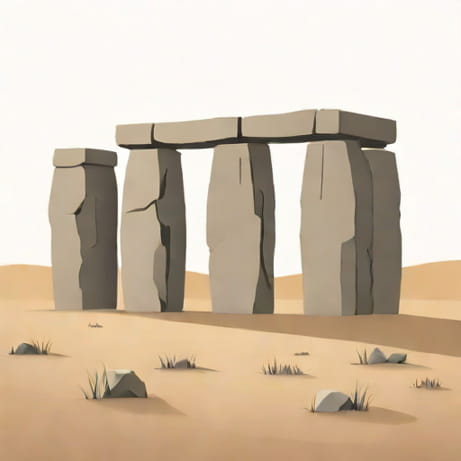
Stonehenge is one of the most famous prehistoric monuments in the world, drawing visitors from across the globe who are fascinated by its mysterious origins and massive stone structures. For centuries, historians, archaeologists, and travelers have been captivated by the purpose and construction of this megalithic site. While many know it as an iconic symbol of ancient Britain, fewer people are familiar with the specific region in which Stonehenge is located. Understanding its geographical setting not only helps visitors plan their trip but also provides insight into the cultural and historical context of the area.
The Region of Stonehenge
Stonehenge is situated in the southern part of England, in a county called Wiltshire. This region is well-known for its rich history, rolling countryside, and abundance of ancient monuments. Wiltshire lies roughly in the southwest of England, and it has been a center for human activity for thousands of years. The area surrounding Stonehenge is dotted with prehistoric sites, burial mounds, and ancient earthworks, making it a significant region for archaeologists and history enthusiasts alike.
Geographical Features of Wiltshire
The landscape of Wiltshire is characterized by its gentle hills, open plains, and fertile valleys. One of the most prominent geographical features near Stonehenge is the Salisbury Plain, a vast chalk plateau that stretches across much of the county. This plain has historically provided an ideal location for large-scale constructions such as Stonehenge, due to its wide open spaces and stable ground. The proximity of rivers and streams in the region also made it suitable for early human settlement, agriculture, and ceremonial activities.
Nearby Towns and Cities
For those planning to visit Stonehenge, it is useful to know the nearest towns and cities in the region. The closest major town is Amesbury, which is only a few miles away from the monument. Salisbury, another historic city, is located a short drive to the south and offers accommodations, museums, and transportation options for visitors. Other nearby towns include Devizes and Marlborough, both of which are part of Wiltshire and offer additional historical sites and local attractions.
Historical Context of the Region
The region where Stonehenge is located has a deep historical significance that extends far beyond the monument itself. Archaeological evidence suggests that Wiltshire was a hub of human activity during the Neolithic and Bronze Ages. The area is home to a number of other megalithic structures, including long barrows, henges, and burial mounds. This concentration of ancient monuments indicates that Wiltshire was a culturally important region for prehistoric communities, likely serving as a center for rituals, gatherings, and astronomical observations.
The Salisbury Plain Connection
Stonehenge’s location on Salisbury Plain is not accidental. The plain’s flat and open terrain made it easier for ancient builders to transport and erect the massive stones. Archaeologists believe that the surrounding area, including nearby rivers and chalk pits, provided essential resources for the construction process. Today, the Salisbury Plain is also known for its natural beauty and wildlife, offering visitors the chance to explore the landscape while learning about its historical significance.
Climate and Environment
The climate of Wiltshire and the Salisbury Plain is temperate, with mild summers and cool winters. This type of climate would have been favorable for early human settlements, as it allowed for farming and grazing throughout much of the year. The natural environment, including chalk grasslands, small woodlands, and freshwater sources, supported both the wildlife and the communities that lived in the region. Understanding the environmental conditions helps explain why prehistoric people chose this specific location for monumental constructions like Stonehenge.
Tourism and Accessibility
Today, the region surrounding Stonehenge is well-equipped to accommodate tourists from around the world. The site itself is accessible via public transportation from nearby cities like Salisbury and London. Visitor centers offer educational exhibits, guided tours, and detailed information about the monument’s history and archaeological findings. The surrounding region also features walking trails, picnic areas, and viewpoints, allowing tourists to experience both the monument and its scenic landscape.
Other Attractions in Wiltshire
Wiltshire is not only home to Stonehenge but also a variety of other historical and cultural sites. Visitors can explore Avebury, another megalithic site with stone circles, as well as ancient castles, Roman ruins, and medieval churches. The combination of natural beauty and historical landmarks makes Wiltshire a compelling destination for travelers interested in England’s ancient past. By visiting these nearby attractions, tourists gain a deeper understanding of the cultural significance of the region as a whole.
Importance of the Region
The location of Stonehenge in Wiltshire is significant for several reasons. Firstly, the concentration of prehistoric monuments in the region suggests that this area was an important cultural and ceremonial center. Secondly, the geography, climate, and natural resources of the Salisbury Plain provided ideal conditions for large-scale construction projects. Finally, the historical and archaeological value of the region continues to attract scholars, researchers, and tourists, ensuring that Wiltshire remains a central part of England’s heritage.
Preservation and Conservation
Due to its historical importance, the region around Stonehenge is protected by various preservation efforts. English Heritage and other organizations work to maintain the site and its surrounding landscape, ensuring that future generations can continue to study and enjoy it. The conservation of Wiltshire’s prehistoric sites highlights the broader significance of the region and its role in understanding human history and ancient civilizations.
Stonehenge is located in the southern English county of Wiltshire, specifically on the Salisbury Plain. This region offers a unique combination of historical, cultural, and natural significance that makes it ideal for monumental constructions like Stonehenge. From its prehistoric roots to its modern role as a world-famous tourist destination, Wiltshire provides insight into ancient human life, landscape management, and ceremonial practices. Visitors to the area can explore not only Stonehenge but also a wealth of other historical sites, towns, and scenic landscapes. Understanding the region’s geography, history, and environment helps deepen appreciation for one of the world’s most iconic megalithic monuments and the remarkable people who built it thousands of years ago.