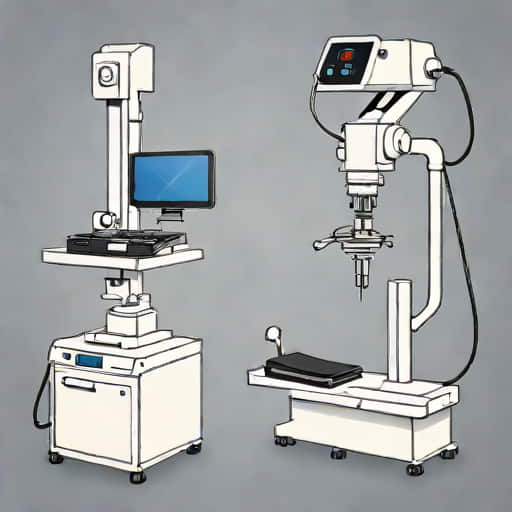
Cystourethroscopy with holmium laser lithotripsy is a modern and minimally invasive procedure used to diagnose and treat urinary tract stones and other related conditions. This technique combines the use of a cystoscope, a thin tube equipped with a camera, and a holmium laser to break down stones within the bladder and urethra. Patients suffering from urinary stones often experience severe pain, difficulty urinating, or recurrent infections, and this procedure offers an effective solution with faster recovery and fewer complications compared to traditional surgical methods. Understanding the procedure, its benefits, preparation, and aftercare is essential for anyone considering this advanced medical treatment.
What is Cystourethroscopy?
Cystourethroscopy is a diagnostic and therapeutic procedure that allows urologists to visually examine the interior of the bladder and urethra. Using a cystoscope, doctors can detect abnormalities such as stones, tumors, strictures, or inflammation. The cystoscope is inserted through the urethra and gently advanced into the bladder, providing a clear view on a monitor. This procedure is minimally invasive, does not require external incisions, and can be performed under local, regional, or general anesthesia depending on the patient’s condition and comfort level.
Uses of Cystourethroscopy
- Detection of bladder stones or urethral stones.
- Evaluation of urinary tract infections or hematuria (blood in urine).
- Assessment of urethral strictures or blockages.
- Monitoring for bladder tumors or cancer.
- Guidance for therapeutic interventions such as laser lithotripsy.
Holmium Laser Lithotripsy Explained
Holmium laser lithotripsy is a specialized treatment used to fragment urinary stones into smaller pieces that can be easily passed or removed. The holmium laser emits high-energy pulses that precisely target stones without damaging surrounding tissues. This method is highly effective for treating stones of various sizes and compositions and can be used within the bladder, ureter, or urethra. Holmium lasers are preferred because they offer minimal risk of bleeding, reduced postoperative pain, and faster recovery compared to conventional surgical methods.
Advantages of Holmium Laser Lithotripsy
- Precise stone fragmentation without damaging surrounding tissues.
- Effective for hard stones, including calcium oxalate stones.
- Minimally invasive, reducing hospital stay and recovery time.
- Lower risk of complications compared to open surgery.
- Can be repeated if necessary without significant harm to the urinary tract.
The Combined Procedure Cystourethroscopy with Holmium Laser Lithotripsy
When cystourethroscopy is combined with holmium laser lithotripsy, urologists gain both diagnostic and therapeutic capabilities in a single session. During the procedure, the cystoscope provides a clear view of the bladder and urethra, while the holmium laser breaks down stones into smaller fragments. These fragments can then be extracted with specialized tools or allowed to pass naturally through urine. This approach is highly efficient, reduces the need for multiple procedures, and improves patient outcomes by addressing stones quickly and safely.
Procedure Steps
- Patient preparation, including preoperative evaluation and anesthesia administration.
- Insertion of the cystoscope through the urethra into the bladder.
- Visual inspection to locate stones or other abnormalities.
- Activation of the holmium laser to fragment the stones into smaller pieces.
- Removal of stone fragments using a basket or allowing natural passage.
- Final inspection to ensure the urinary tract is clear and intact.
- Postoperative care instructions and monitoring for complications.
Benefits of the Procedure
The combination of cystourethroscopy and holmium laser lithotripsy offers multiple benefits compared to traditional surgical interventions. Patients experience less pain, shorter recovery times, and reduced risk of infections. The minimally invasive nature of the procedure means there are no large incisions, which also decreases the risk of scarring. Furthermore, the precision of the holmium laser allows treatment of stones in delicate areas of the urinary tract without causing significant trauma to surrounding tissues.
Key Advantages
- Minimally invasive with minimal postoperative discomfort.
- Effective removal of stones regardless of size or composition.
- Shorter hospital stay and quicker return to daily activities.
- Lower risk of complications such as bleeding or infection.
- Real-time visualization ensures complete stone removal.
Preparation Before the Procedure
Proper preparation is essential for the success of cystourethroscopy with holmium laser lithotripsy. Patients are usually advised to undergo routine blood tests, urine tests, and imaging studies to evaluate stone size, location, and composition. Fasting may be required if general anesthesia is used. Patients should inform their doctor about any medications, allergies, or underlying health conditions. Following preoperative instructions closely helps reduce complications and ensures a smoother procedure and recovery.
Preoperative Tips
- Provide a complete medical history and list of medications to your doctor.
- Undergo necessary imaging studies to guide the procedure.
- Follow fasting or medication instructions as directed by the medical team.
- Arrange for transportation and support after the procedure if anesthesia is used.
- Ask questions about the procedure, recovery, and potential risks.
Recovery and Aftercare
Recovery from cystourethroscopy with holmium laser lithotripsy is usually quick due to the minimally invasive nature of the procedure. Patients may experience mild discomfort, burning during urination, or small amounts of blood in urine for a few days. Drinking plenty of water helps flush out residual stone fragments. Following your doctor’s recommendations, including avoiding strenuous activity and taking prescribed medications, ensures optimal healing and reduces the risk of complications. Regular follow-up visits may be scheduled to monitor the urinary tract and prevent recurrence of stones.
Postoperative Care Recommendations
- Drink ample water to help pass stone fragments and prevent dehydration.
- Avoid heavy lifting or strenuous exercise for a short period.
- Take prescribed pain relievers or antibiotics as directed.
- Monitor for signs of infection, such as fever, increased pain, or persistent bleeding.
- Attend follow-up appointments for evaluation and prevention of new stones.
Risks and Considerations
Although cystourethroscopy with holmium laser lithotripsy is generally safe, it is not without risks. Potential complications include urinary tract infection, bleeding, temporary difficulty urinating, or injury to the urethra or bladder. However, these risks are relatively low when the procedure is performed by an experienced urologist. Discussing potential risks, benefits, and alternative treatments with your doctor helps make an informed decision and ensures patient safety.
Potential Risks
- Urinary tract infection or inflammation.
- Minor bleeding or hematuria.
- Temporary urinary discomfort or difficulty urinating.
- Rare injury to the bladder or urethra.
- Incomplete stone removal requiring additional procedures.
Cystourethroscopy with holmium laser lithotripsy is an advanced, minimally invasive procedure that effectively treats urinary stones while providing real-time visualization of the bladder and urethra. Its precision, reduced recovery time, and lower risk of complications make it a preferred choice for many patients with bladder and urethral stones. Proper preparation, skilled execution, and diligent postoperative care are key to achieving successful outcomes. Patients benefit from reduced pain, shorter hospital stays, and improved overall urinary health. By combining diagnostic and therapeutic capabilities in a single procedure, cystourethroscopy with holmium laser lithotripsy offers a highly effective solution for managing urinary stones safely and efficiently.