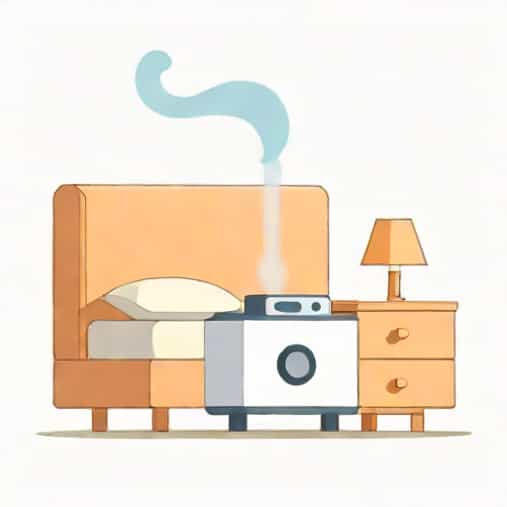
Congestion, whether due to a cold, allergies, or sinus infections, can be incredibly uncomfortable and disrupt daily life. Many people seek quick remedies to relieve nasal and chest congestion, and one common solution is using a humidifier. Humidifiers add moisture to the air, which can help soothe irritated nasal passages, loosen mucus, and improve breathing. Understanding how a humidifier works, its benefits, and proper usage can provide significant relief for those struggling with congestion, especially during dry seasons or in heated indoor environments.
Understanding Congestion
Congestion occurs when the tissues in the nasal passages and airways become swollen and inflamed, often accompanied by excess mucus production. This can lead to difficulty breathing through the nose, pressure in the sinuses, headaches, and disrupted sleep. Congestion can result from various factors including colds, flu, allergies, sinus infections, or exposure to dry air. Managing congestion effectively requires both symptom relief and addressing the underlying causes.
Causes of Congestion
- Common colds and viral infections that irritate the nasal passages.
- Allergic reactions to pollen, dust, mold, or pet dander.
- Sinus infections that cause swelling and blockage of the sinuses.
- Environmental factors, such as dry indoor air, pollution, or cigarette smoke.
How a Humidifier Helps with Congestion
A humidifier works by adding moisture to the air, increasing humidity levels in a room. Dry air can irritate the nasal passages, throat, and lungs, making congestion worse. By maintaining optimal humidity levels, a humidifier can provide several benefits for congestion relief
Moisturizes Nasal Passages
Dry air can cause nasal tissues to become dry and inflamed, making it harder to breathe and increasing discomfort. A humidifier introduces moisture into the air, which helps keep the nasal passages hydrated. This reduces irritation, eases breathing, and prevents the tissues from becoming overly dry, which can exacerbate congestion.
Loosens Mucus
Thick mucus can block the sinuses and nasal passages, causing pressure and discomfort. Moist air from a humidifier helps to thin the mucus, making it easier to expel. This not only improves airflow but also helps the body clear out bacteria, viruses, and allergens more effectively, reducing the duration of congestion.
Reduces Sinus Pressure
When nasal passages are inflamed and mucus is trapped, pressure can build up in the sinuses, leading to headaches and facial discomfort. A humidifier helps maintain moisture, which can reduce swelling and allow mucus to drain more freely. This can alleviate sinus pressure and provide noticeable relief from discomfort.
Types of Humidifiers
There are several types of humidifiers available, and choosing the right one can enhance the benefits for congestion relief.
Cool Mist Humidifiers
Cool mist humidifiers release a fine, cool vapor into the air, which can be soothing for irritated airways. They are often preferred for use around children and in warmer climates. Cool mist humidifiers can effectively add moisture without raising the room temperature.
Warm Mist Humidifiers
Warm mist humidifiers release steam that is slightly heated. The warmth can help soothe sore throats and nasal passages, and the mist can be more effective at reducing certain bacteria in the air. They are especially useful in colder climates or during winter months when indoor heating dries out the air.
Ultrasonic Humidifiers
Ultrasonic humidifiers use high-frequency vibrations to produce a fine mist. They are quiet, energy-efficient, and provide consistent humidity levels. Ultrasonic models are ideal for bedrooms or offices where noise reduction is important while still providing relief from congestion.
Tips for Using a Humidifier for Congestion
Proper use of a humidifier is essential to maximize its benefits and prevent potential issues like mold or bacterial growth. Here are some tips
- Keep the humidifier clean by following manufacturer instructions. Dirty water can spread bacteria and worsen respiratory problems.
- Use distilled or demineralized water to reduce mineral buildup and white dust in the room.
- Maintain humidity levels between 30% and 50%. Excess humidity can encourage mold and dust mites.
- Place the humidifier in the room where congestion is most severe, such as the bedroom for nighttime relief.
- Use the humidifier consistently during dry seasons, illness, or allergy flare-ups to maintain optimal air moisture.
Additional Ways to Relieve Congestion
While a humidifier can be very effective, combining it with other methods can provide faster and more complete relief from congestion.
Stay Hydrated
Drinking plenty of water helps thin mucus and keeps your respiratory system functioning properly. Hydration complements the effects of a humidifier by helping the body naturally clear congestion.
Use Saline Nasal Sprays
Saline sprays or rinses can help flush out allergens, irritants, and excess mucus, working in tandem with a humidifier to keep nasal passages moist and clear.
Maintain Clean Air
Using air purifiers or ensuring good ventilation reduces dust, allergens, and other irritants that can worsen congestion. Clean air enhances the benefits of added humidity.
Apply Warm Compresses
Applying a warm compress to the face or sinuses can help relieve pressure and improve mucus drainage, complementing the soothing effects of a humidifier.
Humidifiers are a valuable tool for relieving congestion by adding moisture to the air, moisturizing nasal passages, loosening mucus, and reducing sinus pressure. Whether using a cool mist, warm mist, or ultrasonic model, consistent and proper use can make breathing easier and improve overall comfort during colds, allergies, or sinus infections. For best results, combine the use of a humidifier with hydration, nasal irrigation, and clean air practices. By maintaining optimal humidity and following simple precautions, a humidifier can be an effective, safe, and natural solution to help with congestion, allowing for better rest, comfort, and respiratory health.