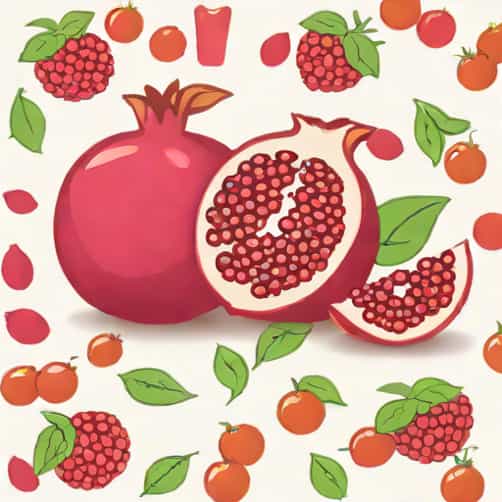
Pomegranate is a vibrant, jewel-like fruit enjoyed around the world for its sweet, tangy flavor and impressive health benefits. Each pomegranate contains hundreds of small seeds encased in juicy red arils, which are often eaten as a snack, added to salads, or used as a garnish. One common question that arises among pomegranate lovers is whether it is safe or beneficial to swallow the seeds along with the juicy arils. Understanding how to consume pomegranate seeds properly can enhance their nutritional benefits and avoid potential digestive issues. This topic explores the health aspects, digestion, and practical tips for eating pomegranate seeds safely.
Understanding Pomegranate Seeds
Pomegranate seeds consist of two main parts the edible aril, which is the juicy outer layer, and the hard inner seed. The arils are sweet and packed with antioxidants, vitamins, and minerals, while the seeds themselves contain fiber and healthy fats. Both parts of the pomegranate contribute to its overall nutritional profile, but many people are unsure whether the hard seeds should be chewed and swallowed or discarded.
Nutritional Benefits of Pomegranate Arils and Seeds
- AntioxidantsPomegranate arils are rich in polyphenols, including punicalagins and anthocyanins, which help fight free radicals in the body.
- Vitamin CSupports immune function, skin health, and overall vitality.
- FiberBoth the aril and seed provide dietary fiber, which supports digestive health and satiety.
- Healthy FatsThe seeds contain small amounts of unsaturated fats that contribute to heart health.
- Potassium and FolateEssential for heart function, nerve health, and cellular metabolism.
Should You Swallow Pomegranate Seeds?
Yes, it is generally safe to swallow pomegranate seeds, and many people do so without any problems. Chewing the seeds releases additional nutrients and makes them easier to digest. The seeds contain fiber, which can aid digestion and promote regular bowel movements. Swallowing seeds occasionally will not harm most healthy individuals. However, it is important to consume them in moderation and chew them thoroughly to minimize the risk of digestive discomfort.
Chewing vs. Swallowing Whole
Chewing pomegranate seeds before swallowing helps break down the hard seed, allowing your body to absorb nutrients more efficiently. While swallowing the seeds whole is unlikely to cause harm in small amounts, it may be more difficult for your digestive system to process them, especially if you have a sensitive stomach. For best results, chew the seeds thoroughly to maximize their nutritional benefits and prevent potential digestive issues such as bloating or constipation.
Health Benefits of Eating Pomegranate Seeds
Consuming pomegranate seeds, along with their juicy arils, provides several health advantages. The combination of antioxidants, fiber, and micronutrients supports overall well-being and may reduce the risk of chronic diseases. Regular consumption of pomegranate seeds has been associated with improved heart health, better digestion, and potential anti-inflammatory effects.
Heart Health
Pomegranate seeds are rich in antioxidants that help protect the heart by reducing oxidative stress and inflammation. Studies suggest that compounds in pomegranate may help lower blood pressure, reduce cholesterol levels, and improve arterial health. Swallowing seeds along with arils ensures that you receive the full spectrum of beneficial compounds found in the fruit.
Digestive Health
The fiber content in pomegranate seeds aids digestion by promoting regular bowel movements and preventing constipation. Both soluble and insoluble fiber types are present, which help maintain gut health and support the growth of beneficial gut bacteria. Chewing seeds properly can enhance these digestive benefits, making it easier for your body to extract nutrients.
Potential Concerns and Precautions
While swallowing pomegranate seeds is safe for most people, certain situations warrant caution. Individuals with digestive issues, such as irritable bowel syndrome (IBS), may experience bloating or discomfort from consuming too many seeds at once. Additionally, young children may have difficulty chewing the hard seeds properly, which could pose a choking hazard. In rare cases, people with specific digestive disorders may need to limit the consumption of hard seeds.
Moderation is Key
Consuming pomegranate seeds in moderation is recommended. A handful of seeds per day provides substantial nutritional benefits without overwhelming the digestive system. Combining seeds with other foods, such as yogurt, oatmeal, or salads, can make them easier to digest and integrate into a balanced diet.
Practical Tips for Eating Pomegranate Seeds
- Chew thoroughlyBreak down the seeds before swallowing to improve nutrient absorption and digestion.
- Mix with other foodsAdding seeds to salads, yogurt, or smoothies can enhance flavor and ease digestion.
- Start with small amountsIf you are new to eating pomegranate seeds, begin with a small serving to see how your body reacts.
- Avoid seeds for young childrenCut or mash seeds to prevent choking hazards.
- Store properlyKeep pomegranate seeds refrigerated if not consumed immediately to maintain freshness and taste.
Swallowing pomegranate seeds is generally safe and can be beneficial for your health. The seeds provide dietary fiber, healthy fats, and additional nutrients that complement the rich antioxidants found in the juicy arils. Chewing seeds thoroughly enhances nutrient absorption and reduces potential digestive discomfort. By consuming pomegranate seeds in moderation and incorporating them into a variety of meals, you can enjoy the full range of health benefits offered by this vibrant and nutrient-packed fruit.
Overall, whether you enjoy pomegranate seeds on their own, in a salad, or mixed into yogurt, including them in your diet supports digestive health, heart health, and overall wellness. With proper preparation and mindful eating, swallowing pomegranate seeds can be a safe, tasty, and nutritious choice for most individuals.