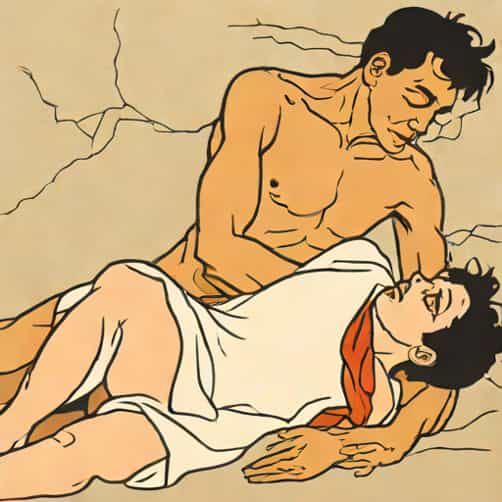
Egon Schiele, one of the most prominent figures of early 20th-century Austrian art, is widely celebrated for his intense and expressive works that often explore themes of sexuality, mortality, and the human condition. Among his striking pieces, Death and the Maiden stands out as a profound exploration of life, love, and the inevitability of death. Created during the final year of Schiele’s short life, this painting is deeply intertwined with his personal experiences, the cultural context of Vienna at the time, and the existential anxieties that permeated European society during the First World War and the Spanish influenza pandemic. Understanding Death and the Maiden offers insight not only into Schiele’s artistic genius but also into the broader psychological and emotional undercurrents of the era.
Historical Context of Egon Schiele’s Work
Egon Schiele was born in 1890 in Tulln, Austria, and quickly emerged as a prodigious talent within the Vienna Secession movement, which sought to break from traditional academic art. He studied under Gustav Klimt, whose influence is evident in Schiele’s use of color and emphasis on the human figure, yet Schiele’s work is distinguished by its raw intensity and emotional vulnerability. The early 20th century was a period marked by social upheaval, war, and shifting attitudes toward sexuality and morality. Schiele’s art often reflects these tensions, combining eroticism, psychological depth, and existential reflection.
The Spanish Influenza and Personal Tragedy
In 1918, the Spanish influenza pandemic swept through Europe, claiming millions of lives. Tragically, Schiele himself succumbed to the virus at the age of 28, just a few days after the death of his pregnant wife, Edith Harms. This profound personal loss and the pervasive atmosphere of mortality in Vienna are central to understanding the themes present in Death and the Maiden. The painting captures the fragility of life and the inescapable presence of death, making it a poignant reflection of both personal grief and collective experience.
Description of Death and the Maiden
Death and the Maiden is a compelling composition that juxtaposes the vulnerability of youth with the inevitability of death. The artwork depicts a young woman, often interpreted as a symbol of life or innocence, in an intimate and emotionally charged encounter with a skeletal figure representing death. The composition is characterized by Schiele’s signature angular lines, distorted forms, and intense use of color, which convey tension, vulnerability, and emotional intensity.
Visual Elements and Style
Schiele’s artistic style in Death and the Maiden is marked by
- Angular LinesThe sharp, exaggerated contours of the figures create a sense of tension and emotional unease.
- Expressive PosesThe twisted, contorted posture of the maiden and the looming skeletal figure emphasize psychological drama.
- Color and ContrastSchiele often used muted earth tones contrasted with striking highlights to draw attention to the emotional core of the painting.
- Psychological IntensityThe interaction between the figures conveys fear, resignation, and the complex interplay between life and death.
Symbolism and Themes
The painting is rich in symbolism. The maiden often represents life, innocence, or human vulnerability, while the skeletal figure embodies death, mortality, and the inevitable passage of time. The physical closeness of the figures suggests intimacy, fear, and the delicate balance between existence and extinction. Schiele’s interpretation can be seen as both a personal meditation on loss and a universal reflection on the human condition.
Influences and Artistic Significance
Death and the Maiden is influenced by Schiele’s predecessor, Gustav Klimt, in terms of figurative representation and decorative sensibility, yet Schiele diverges through raw expression, erotic undertones, and emotional starkness. Additionally, the painting reflects broader European artistic currents, including Symbolism and Expressionism, which explored existential and psychological themes through bold color, form, and abstraction.
Expressionism and Psychological Depth
Expressionist artists sought to convey emotional and psychological states rather than purely external reality. In Death and the Maiden, Schiele captures the inner turmoil of human vulnerability and mortality. The painting’s intensity and contorted forms communicate fear, anxiety, and resignation, allowing viewers to experience the psychological weight of the moment.
Impact on Modern Art
Schiele’s work, including Death and the Maiden, has had a lasting influence on modern art, particularly in the exploration of the human figure and emotional expression. His ability to combine personal experience with universal themes of mortality and intimacy continues to inspire contemporary artists and resonates with audiences worldwide.
Interpretations and Legacy
Death and the Maiden has been interpreted in multiple ways over the decades. Some view it as a reflection of Schiele’s personal confrontation with loss and mortality, particularly during the influenza pandemic and his wife’s death. Others see it as a broader meditation on the transient nature of life, the inevitability of death, and the tension between desire and fear. The painting invites contemplation on the delicate balance between love, life, and mortality.
Personal Interpretation
Many scholars suggest that the work encapsulates Schiele’s own anxieties and reflections during the final months of his life. The skeletal figure’s looming presence and the maiden’s defenseless posture evoke the vulnerability and fragility of human existence. It is as much a psychological exploration as it is a visual artwork, highlighting the interconnectedness of life and death.
Public Reception and Cultural Importance
Since its creation, Death and the Maiden has been celebrated as one of Schiele’s most iconic and emotionally powerful works. It exemplifies his ability to capture raw emotion and confront viewers with fundamental truths about human existence. The painting remains a significant piece in museum collections and exhibitions, attracting attention for its intense portrayal of mortality and the human psyche.
Death and the Maiden by Egon Schiele is a profound and compelling artwork that explores themes of life, death, and human vulnerability. Created during the final year of Schiele’s life, the painting reflects both personal loss and broader existential anxieties prevalent in early 20th-century Europe. Through its expressive forms, intense color contrasts, and psychological depth, the work conveys the fragile balance between life and mortality. Schiele’s artistic genius lies in his ability to translate personal experience into universal symbolism, making Death and the Maiden a timeless reflection on the human condition. The painting continues to captivate viewers and inspire artists, demonstrating the enduring power of Schiele’s vision and his mastery in portraying the complex interplay between intimacy, fear, and the inevitability of death.