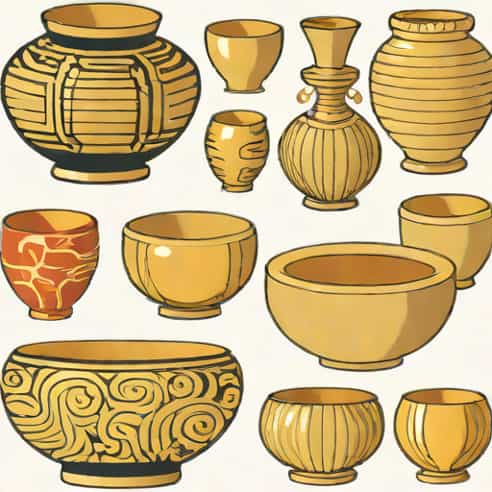
In Japanese culture, the art of repairing broken pottery with gold is more than just a method of restoration-it’s a philosophy of life. This ancient practice, known as kintsugi or kintsukuroi, reflects the belief that beauty can be found in imperfection and that breakage does not signify the end of an object’s usefulness. Instead, every crack becomes a meaningful part of the item’s story, shining through with veins of gold. This beautiful art form has captivated people around the world, inspiring not only pottery lovers but also those seeking deeper understanding of resilience and self-acceptance.
Understanding the Meaning of Kintsugi
The termkintsugicomes from two Japanese words kin meaning gold, and tsugi meaning joinery or repair. Together, they literally translate to golden joinery. This method of mending broken pottery with gold, silver, or platinum-infused lacquer is believed to have originated in the 15th century. According to legend, a Japanese shogun sent a broken tea bowl to China for repairs, only to receive it back clumsily stapled together. Unhappy with the result, Japanese craftsmen developed a more elegant solution-filling the cracks with lacquer and dusting them with powdered gold.
From this innovation, a profound aesthetic and philosophical movement emerged. Kintsugi became an embodiment ofwabi-sabi, the Japanese worldview that appreciates transience, imperfection, and simplicity. Instead of hiding flaws, kintsugi highlights them, turning damage into beauty. Every repaired piece becomes one of a kind, bearing the marks of both its history and its rebirth.
The Philosophy Behind Golden Repair
Kintsugi is not just a craft-it’s a philosophy rooted in acceptance and transformation. The idea is that when something breaks, it doesn’t lose its value. Rather, its cracks and repairs become a testament to endurance and resilience. The gold used to mend the pottery symbolizes illumination and renewal, teaching that our own scars-whether emotional or physical-can be beautiful too.
This approach contrasts sharply with many modern cultures that prioritize perfection and newness. Instead of discarding what is damaged, kintsugi encourages people to cherish and honor it. This has made the art of Japanese pottery glued with gold a metaphor for healing and self-growth in psychology, mindfulness, and even leadership philosophy.
How the Kintsugi Technique Works
The kintsugi process involves several meticulous steps that require patience, precision, and care. Traditional artisans often spend weeks repairing a single piece. The general process includes
- Collecting the piecesAll broken fragments of the pottery are carefully gathered and examined to ensure none are missing.
- Preparing the lacquerA special tree sap lacquer known as urushi is used as an adhesive. This natural material is sticky and durable once cured.
- Rejoining the fragmentsThe lacquer is applied to the edges of each broken piece, which are then joined together and left to harden for several days.
- Filling the gapsAny missing pieces or gaps are filled with a mixture of lacquer and clay powder to create a smooth surface.
- Applying the goldOnce the structure is secure, artisans apply another thin layer of lacquer and sprinkle it with gold, silver, or platinum powder. This step creates the iconic shimmering seams that define kintsugi pottery.
- Polishing and finishingAfter the lacquer dries, the piece is gently polished to achieve a smooth, radiant finish.
Each step is a delicate ritual that transforms a once-broken item into a unique work of art, rich with history and meaning.
Different Styles of Kintsugi
Kintsugi is not a single uniform technique-there are several distinct styles depending on the nature of the break and the artisan’s approach
- Crack method (Hibi)This is the most common style, where gold or silver is used to fill visible cracks along the broken lines.
- Piece method (Kaketsugi)Used when a fragment is missing, this technique involves replacing the absent section with a completely new piece of ceramic before applying the gold lacquer.
- Joint-call method (Makienaoshi)This variation uses gold to fill both cracks and small missing areas, blending repair with artistic expression.
These different styles show how artisans adapt their techniques to the nature of the damage, ensuring every repaired item tells its own story.
Kintsugi in Modern Times
Although it originated centuries ago, kintsugi continues to thrive in the modern era. Contemporary artists, designers, and even therapists draw inspiration from its symbolic and visual beauty. Workshops across the world now teach people how to practice Japanese pottery glued with gold as a form of mindfulness and meditation.
In fashion and interior design, the idea of embracing imperfection has influenced trends such as wabi-sabi aesthetics, which favor natural materials, asymmetry, and visible textures. In psychology, kintsugi serves as a metaphor for emotional healing-reminding people that recovery can make them stronger and more radiant than before.
Applications Beyond Pottery
Today, the concept of kintsugi has expanded far beyond pottery. It’s referenced in literature, music, and art to convey messages of resilience and transformation. Some mental health professionals even use it as a therapeutic analogy, encouraging clients to see their experiences of pain as opportunities for growth.
In business and leadership, kintsugi principles have been applied to teach the value of transparency, authenticity, and learning from failure. Just as gold binds broken pottery, strong relationships and lessons learned can mend broken organizations or personal challenges.
The Symbolism of Gold in Kintsugi
Gold is not just a decorative material in this art-it carries deep symbolic meaning. In Japanese culture, gold represents purity, enlightenment, and wisdom. When used in kintsugi, it symbolizes the idea that even after something breaks, it can emerge more beautiful and valuable than before.
The contrast between the earthy ceramic and gleaming gold creates a visual metaphor for duality-the coexistence of fragility and strength, sorrow and hope. This is what gives Japanese pottery glued with gold its timeless appeal, transcending cultures and generations.
Why Kintsugi Continues to Inspire the World
The enduring popularity of kintsugi lies in its universal message. Everyone experiences loss, mistakes, or heartbreak at some point in life. The golden seams of kintsugi remind us that these experiences do not diminish our worth-they shape us into something unique and beautiful.
In a world that often strives for perfection, kintsugi teaches that our flaws can become our greatest strengths. Whether used to mend a cherished bowl or to reflect on personal healing, this Japanese art form captures the essence of humanity imperfect, resilient, and radiant through the cracks.
Japanese pottery glued with gold is far more than an ancient repair technique-it’s a timeless philosophy that celebrates imperfection and renewal. From its origins in the 15th century to its influence on modern art and wellness, kintsugi continues to shine as a symbol of strength, acceptance, and the beauty of the broken. Every golden crack tells a story, reminding us that healing is not about erasing the past but embracing it with grace and light.