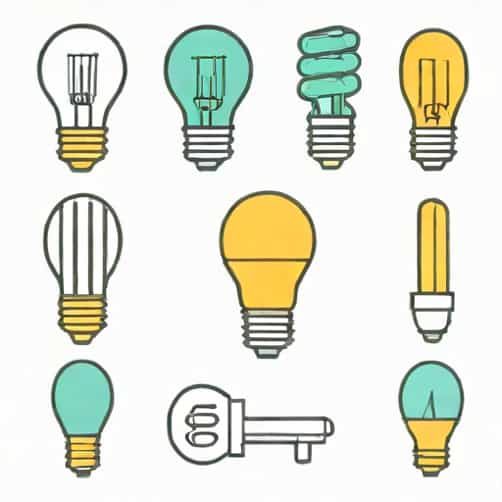
Energy saving light bulbs with bayonet fittings have become a popular choice for households and businesses aiming to reduce electricity consumption while maintaining high-quality lighting. These bulbs not only help lower energy bills but also contribute to a more sustainable environment by using less power and lasting significantly longer than traditional incandescent bulbs. Understanding how bayonet light bulbs work, their benefits, and how to choose the right one can help you make a more informed decision when upgrading your lighting system.
Understanding Bayonet Fittings
A bayonet fitting, also known as a bayonet cap (often labeled as B22 or BC), is a type of light bulb connector that uses a simple push-and-twist mechanism to secure the bulb in place. Unlike the screw fitting (Edison cap), bayonet fittings are particularly common in the United Kingdom, Australia, and other parts of the world where older fixtures still dominate.
The design features two small pins on opposite sides of the bulb’s base. When you insert the bulb into the socket and twist it slightly, the pins lock into place, ensuring a secure connection. This mechanism prevents accidental loosening of the bulb and provides a stable electrical connection for efficient energy transfer.
Why Choose Energy Saving Light Bulbs
Energy saving light bulbs are designed to consume far less electricity than traditional incandescent bulbs while providing the same or better brightness. This efficiency not only saves money but also reduces environmental impact. These bulbs come in several types, each with unique benefits and characteristics suitable for various lighting needs.
Types of Energy Saving Light Bulbs
- Compact Fluorescent Lamps (CFLs)– These bulbs use a small amount of electricity to excite gas within the bulb, which produces ultraviolet light that is then converted to visible light. They are more efficient than incandescent bulbs and last up to ten times longer.
- Light Emitting Diodes (LEDs)– LEDs are the most energy-efficient and durable option available today. They use semiconductors to produce light and can last up to 25,000 hours or more, making them ideal for long-term use.
- Halogen Energy Savers– Although less efficient than LEDs or CFLs, halogen energy-saving bulbs still use around 30% less energy than traditional incandescent bulbs and offer a similar warm glow.
Benefits of Bayonet Energy Saving Bulbs
Choosing an energy saving light bulb with a bayonet base combines the advantages of energy efficiency with the convenience of a familiar fitting. Here are some of the key benefits
1. Reduced Energy Consumption
Energy saving bulbs use significantly less electricity compared to older lighting technologies. For instance, an LED bulb that produces the same brightness as a 60-watt incandescent bulb typically consumes only 8 to 10 watts. This reduction in energy usage directly lowers utility bills and supports sustainable living.
2. Long Lifespan
One of the major advantages of switching to energy saving bulbs is their extended lifespan. While traditional bulbs may last only about 1,000 hours, LEDs can last up to 25 times longer. This means fewer replacements and reduced maintenance costs over time.
3. Eco-Friendly Lighting
By using less electricity, these bulbs contribute to reducing greenhouse gas emissions from power plants. Additionally, modern LED bulbs are free from toxic elements like mercury, which was commonly found in older fluorescent lighting.
4. Instant Brightness and Better Quality Light
Early energy saving bulbs were often criticized for their slow warm-up time or harsh light quality. However, modern LED and improved CFL bulbs provide instant illumination and come in various color temperatures, from warm white to daylight, allowing you to choose the right tone for your environment.
5. Compatibility with Bayonet Fixtures
Many homes, particularly in the UK and Australia, have existing bayonet cap fittings. This makes bayonet energy saving bulbs a convenient upgrade option without the need to replace the entire light fixture. Simply remove the old bulb and twist the new one into place.
Choosing the Right Bayonet Energy Saving Bulb
When shopping for an energy saving light bulb with a bayonet fitting, there are several factors to consider to ensure you get the best performance for your needs.
1. Brightness (Lumens)
Instead of focusing on wattage, which measures energy consumption, check the lumens rating. Lumens indicate how bright the bulb will be. For example, a 60-watt incandescent bulb typically produces around 800 lumens, while an 8-watt LED bulb can achieve the same brightness.
2. Color Temperature
Energy saving bulbs come in different color temperatures, measured in Kelvin (K). A lower Kelvin number (2700K-3000K) gives a warm yellowish light, ideal for living rooms or bedrooms, while higher Kelvin ratings (4000K-6500K) produce a cooler, white or daylight tone suitable for kitchens and offices.
3. Energy Efficiency Rating
Check the efficiency rating on the packaging. Most modern energy saving bulbs are rated A+ or A++, meaning they provide the same amount of light using very little electricity. Choosing higher-rated bulbs ensures maximum savings over time.
4. Dimmable Options
If you use dimmer switches, make sure the bayonet bulb you select is labeled as dimmable. Not all LED or CFL bulbs are compatible with dimmer systems, and using a non-dimmable bulb on a dimmer can cause flickering or damage.
5. Price vs. Longevity
While energy saving bulbs can be more expensive upfront, their long lifespan and lower running costs make them a worthwhile investment. LEDs, in particular, may seem costly at first, but they pay for themselves through energy savings and reduced replacement frequency.
Installation and Maintenance
Installing a bayonet energy saving light bulb is straightforward. Simply ensure the power is switched off, insert the bulb into the socket, push down gently, and twist clockwise until it locks in place. To remove it, press down slightly and twist in the opposite direction. Regularly dusting the bulb and ensuring proper ventilation around the fixture can also help maintain brightness and efficiency.
Common Myths About Energy Saving Bulbs
Despite their popularity, several misconceptions still surround energy saving light bulbs. Let’s address some of the most common myths
- Myth 1Energy saving bulbs are too dim. – Modern LEDs provide equal or even superior brightness compared to incandescent bulbs.
- Myth 2They take too long to light up. – Most new models turn on instantly at full brightness.
- Myth 3They don’t work with bayonet sockets. – Bayonet fitting versions are widely available in various wattages and color temperatures.
The Future of Energy Efficient Lighting
As technology continues to advance, energy saving light bulbs will only become more efficient and adaptable. Manufacturers are focusing on enhancing brightness, longevity, and smart-home compatibility. Smart LED bulbs with bayonet fittings can now be controlled via smartphone apps, voice assistants, or timers, giving users greater control over their lighting and energy usage.
Energy saving light bulbs with bayonet fittings offer a simple yet impactful way to improve lighting efficiency, save money, and reduce environmental impact. Whether you choose LED, CFL, or halogen energy savers, these bulbs combine practicality with sustainability. By selecting the right brightness, color temperature, and fitting type, you can enjoy long-lasting, eco-friendly illumination that perfectly suits your home or workspace. In the long run, switching to bayonet energy saving bulbs is a small change that brings significant benefits for both your wallet and the planet.