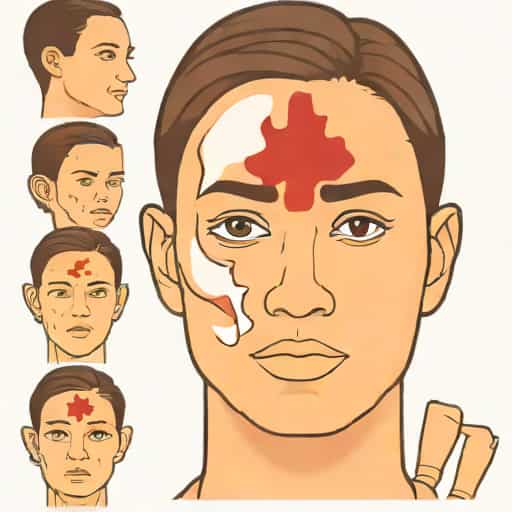
Facial injuries should be identified and treated quickly because the face is not only important for appearance but also for essential functions such as breathing, eating, vision, and communication. When trauma affects the face, it may involve skin, muscles, bones, nerves, and even vital organs like the eyes and airway. Many people underestimate facial trauma, assuming bruises or swelling will heal naturally, but untreated injuries can lead to long-term complications, infections, deformities, and emotional distress. Understanding why early recognition, accurate diagnosis, and timely treatment matter can help protect health, function, and overall quality of life.
Understanding Facial Injuries and Why They Matter
Facial injuries can occur due to accidents, falls, sports incidents, violence, road crashes, or workplace hazards. Because the face has a rich blood supply, even small wounds may bleed heavily, creating fear and panic. On the other hand, serious injuries such as fractures or internal damage might not show obvious external signs at first, which is why careful assessment is essential.
The face also plays a major role in identity and emotional expression. Scars, deformities, or changes in facial shape may affect confidence and mental health. Therefore, identifying and treating facial injuries is not only a medical need but also part of preserving self-esteem and overall well-being.
Common Types of Facial Injuries
Different types of trauma affect different parts of the face. Recognizing them helps in understanding the urgency of treatment.
Typical Facial Injury Categories
- Cuts, abrasions, and lacerations
- Bruising and swelling
- Nasal injuries and nosebleeds
- Fractures of the cheekbone, jaw, or orbit
- Dental injuries and broken teeth
- Eye injuries and vision problems
- Soft tissue damage to lips, tongue, and gums
Each of these injuries requires different care. Facial injuries should be identified and treated based on severity, location, and risk of complications. Quick professional evaluation can help prevent permanent damage.
Signs That a Facial Injury Needs Urgent Medical Attention
While minor cuts and bruises may heal at home, some symptoms indicate serious internal damage. Recognizing warning signs can save lives and prevent disability.
Danger Signs to Watch For
- Severe bleeding that does not stop
- Difficulty breathing or swallowing
- Visible deformity or misalignment
- Loss of consciousness or confusion
- Vision loss or double vision
- Severe pain, numbness, or tingling
- Blood from ears, nose, or mouth after trauma
These symptoms suggest injuries to bones, nerves, or vital structures. Immediate medical care is essential because delays can lead to complications such as infection, airway obstruction, permanent vision loss, or nerve damage.
First Aid Steps for Facial Injuries
Before reaching a healthcare professional, simple and safe first aid measures can reduce damage. Handling facial trauma gently is important because careless actions may worsen injuries.
Basic First Aid Guidelines
- Calm the injured person and assess breathing
- Apply gentle pressure with clean cloth to control bleeding
- Use cold compresses to reduce swelling
- Keep the person sitting upright if possible
- Avoid pressing on suspected fractures
- Do not attempt to realign broken bones
- Seek professional medical help promptly
Even when symptoms seem mild, facial injuries should be identified and treated properly because hidden damage may be present. Medical evaluation ensures internal injuries are not missed.
The Role of Professional Diagnosis
Doctors use physical examination and imaging tests such as X-rays or CT scans to determine the extent of facial trauma. This helps them decide whether surgical repair, medication, or supportive care is necessary. Facial injuries often involve multiple structures, meaning specialists like maxillofacial surgeons, ENT doctors, dentists, or ophthalmologists may be involved in treatment.
Accurate diagnosis ensures proper alignment of bones, protection of nerves, and preservation of appearance and function. Without diagnosis, fractures may heal incorrectly, leading to deformity or chronic pain.
Treatment Options for Facial Injuries
Treatment depends on the type and severity of injury. Minor wounds may only need cleaning and sutures, while severe facial trauma may require complex surgery. Regardless of severity, early intervention significantly improves results.
Possible Treatment Approaches
- Cleaning and suturing wounds
- Antibiotics to prevent infection
- Pain management
- Fracture stabilization and surgical repair
- Dental restoration
- Eye injury protection and treatment
- Reconstructive surgery when needed
Doctors also monitor healing to ensure proper function returns. Rehabilitation may include physical therapy, speech therapy, or emotional support if injuries affect communication or self-confidence.
Complications If Facial Injuries Are Ignored
Facial injuries should be identified and treated early because complications can be serious and lifelong. Untreated wounds may leave severe scars, infections can spread, and broken bones can heal incorrectly. Damage to nerves may lead to facial paralysis or loss of sensation.
Emotional consequences are also significant. People may feel embarrassed, anxious, or depressed after facial trauma. Proper medical care helps reduce physical and psychological impact.
Prevention and Protection
While accidents cannot always be avoided, many facial injuries can be prevented through safety habits. Wearing seatbelts, using helmets, following workplace safety rules, and using protective gear in sports greatly reduce the risk of serious trauma.
- Always wear appropriate sports safety equipment
- Use helmets during biking or motorcycling
- Ensure home environments are safe, especially for children and elderly
- Practice road safety and avoid reckless driving
- Follow workplace safety regulations
Prevention saves people from pain, medical costs, and long recovery periods.
Emotional and Psychological Support
Facial injuries affect appearance, which can deeply influence self-image. Some patients feel embarrassed or insecure during recovery. Providing emotional support, counseling, and reassurance is essential. Family support and professional guidance help patients regain confidence.
Facial injuries should be identified and treated with care, urgency, and professional attention. The face plays an essential role in breathing, eating, communicating, and expressing identity, making it vital to protect and heal it properly. Early recognition, proper first aid, accurate diagnosis, and timely treatment prevent complications and support both physical and emotional recovery. By understanding the seriousness of facial trauma and responding quickly, we help ensure safety, function, health, and confidence are preserved.