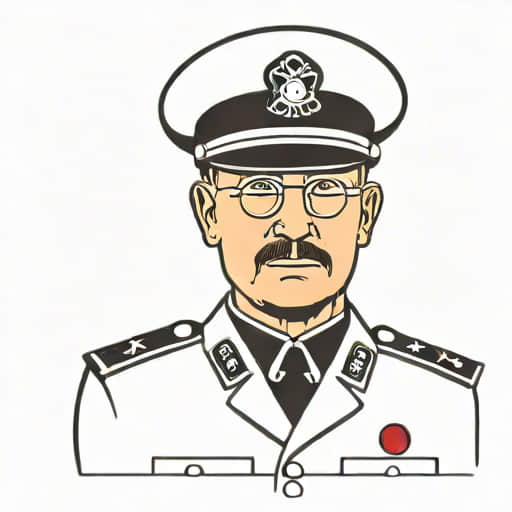
Felix Kersten was a Finnish-born physiotherapist who became widely known for his unique relationship with Heinrich Himmler, one of the most powerful figures in Nazi Germany. His role during World War II has been the subject of historical discussion because he reportedly used his influence over Himmler to mitigate some of the atrocities committed during the Holocaust. Kersten’s life and work illustrate a complex intersection of medicine, politics, and morality, showing how an individual with specialized skills could impact historical events in unexpected ways. Understanding the life of Felix Kersten and his interactions with Himmler sheds light on a lesser-known aspect of World War II history and the ethical dilemmas faced by professionals in extreme circumstances.
Early Life and Career
Felix Kersten was born in 1898 in Finland, then part of the Russian Empire. From a young age, he exhibited a keen interest in medicine and the human body, eventually pursuing a career in physiotherapy. Kersten developed innovative techniques for therapeutic massage, focusing on relieving pain through muscle manipulation and relaxation. His expertise in treating musculoskeletal disorders, especially for high-ranking individuals suffering from chronic pain, would later open doors to influential circles in Europe. He was particularly noted for helping patients with stress-related ailments, which became highly relevant in his interactions with Nazi officials.
Connection to Heinrich Himmler
Kersten’s reputation as a skilled physiotherapist brought him to the attention of Heinrich Himmler, the head of the SS. Himmler suffered from severe stomach pains and digestive problems, which caused him considerable discomfort and stress. Kersten’s successful treatments earned Himmler’s trust and gratitude, creating a unique position of influence. Through this professional relationship, Kersten was able to gain access to the inner workings of the Nazi regime, a position few outsiders ever achieved. He reportedly used this access to intervene on behalf of individuals and groups targeted by the Nazis.
Role During World War II
During the war, Felix Kersten’s interactions with Himmler were marked by both medical expertise and moral intervention. While his primary role was providing relief from chronic pain, Kersten allegedly used his influence to negotiate the release of prisoners and prevent certain atrocities. Accounts suggest that he appealed to Himmler’s personal considerations and leveraged the trust he had gained to save lives. This aspect of his biography highlights the unusual ways in which professional skills could intersect with political power, particularly in an environment as extreme as Nazi Germany.
Humanitarian Efforts
Kersten is credited with a number of humanitarian interventions during the Holocaust. He reportedly facilitated the release of political prisoners, prevented the execution of certain groups, and influenced Himmler to temper some of the harshest policies. While the extent of his influence remains a subject of historical debate, there is evidence suggesting that his efforts saved hundreds, if not thousands, of lives. His work demonstrates how personal relationships and strategic negotiation could be used as tools for moral action, even within one of history’s most oppressive regimes.
Controversies and Criticism
Felix Kersten’s legacy is not without controversy. Some historians question the accuracy of his accounts and the extent of his influence over Himmler. Critics argue that his narrative may have been embellished to enhance his personal reputation after the war. Others contend that while he may have helped some individuals, he still operated within a system responsible for mass atrocities. This tension between heroism and complicity is central to discussions about Kersten, raising important questions about morality, professional responsibility, and the limits of influence in situations of extreme oppression.
Post-War Life
After World War II, Kersten faced scrutiny for his connections with high-ranking Nazi officials. Despite this, he continued to emphasize his humanitarian actions and efforts to save lives during the war. He wrote memoirs and gave interviews recounting his experiences with Himmler, which contributed to public awareness of his unusual role. Kersten eventually settled in Germany, where he continued practicing physiotherapy until his death in 1960. His post-war life reflected both the challenges and ethical questions faced by individuals who navigated complex relationships with authoritarian regimes.
Ethical Considerations
The story of Felix Kersten and Himmler raises important ethical questions about professional conduct in extreme circumstances. As a physiotherapist, Kersten’s primary duty was to treat patients, yet his proximity to one of the most notorious figures in history allowed him to intervene in matters of life and death. This dual role presents a moral dilemma how should professionals balance ethical responsibilities with opportunities to influence powerful individuals? Kersten’s actions suggest that skill, discretion, and courage can create avenues for ethical intervention, even in environments where moral compromise is pervasive.
Impact on Historical Understanding
Studying Felix Kersten’s life contributes to a broader understanding of World War II and the Holocaust. His experiences offer insight into how personal relationships, professional expertise, and individual agency could intersect with the machinery of oppression. Historians use his case to explore the complexity of human behavior under authoritarian rule, highlighting the gray areas between complicity and resistance. Kersten’s story also serves as a reminder that history is shaped not only by large political events but also by individual decisions and actions.
Legacy and Recognition
Felix Kersten’s legacy is largely defined by his unique position and the lives he reportedly saved. While some aspects of his accounts remain debated, many historians recognize his contribution to mitigating certain harms during the Holocaust. His story has been included in historical studies, biographies, and documentaries examining unusual forms of resistance and moral intervention. Kersten is remembered as an example of how specialized skills and courage can influence the course of history, even in environments dominated by fear and violence.
Lessons from Kersten’s Life
There are several lessons to draw from Felix Kersten’s life and work with Himmler
- Professional skills can have unexpected moral and political implications.
- Personal relationships can be leveraged to achieve humanitarian goals.
- Operating within oppressive systems requires careful ethical consideration and courage.
- Historical narratives often involve complex questions about complicity, influence, and responsibility.
- Even small interventions can have significant impacts on individual lives and broader historical outcomes.
Felix Kersten’s relationship with Heinrich Himmler presents a unique and compelling case in the study of World War II history. As a physiotherapist with access to one of the most powerful figures in Nazi Germany, Kersten reportedly used his position to save lives and mitigate suffering. His story illustrates the interplay between professional expertise, moral responsibility, and historical circumstance. While debates about the extent of his influence continue, Kersten remains a fascinating figure who demonstrates the potential for individuals to act ethically and courageously even within the most oppressive systems. His life reminds us that history is not only shaped by leaders and armies but also by the subtle interventions of individuals who navigate complex moral and professional landscapes.