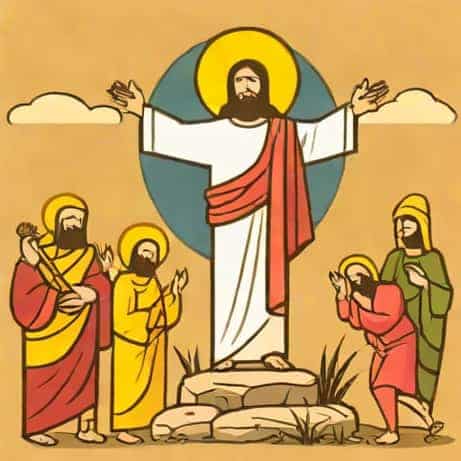
The triumphant entry of Jesus into Jerusalem is one of the most meaningful moments recorded in the New Testament, remembered and reflected upon by Christians around the world. This event, often associated with Palm Sunday, marks a turning point in the life and ministry of Jesus. It is not simply a historical scene of celebration, but a deeply symbolic moment filled with spiritual, theological, and moral meaning. Understanding the significance of the triumphant entry of Jesus helps readers grasp why this moment continues to shape Christian faith, worship, and reflection today.
Understanding the Context of the Triumphant Entry
The triumphant entry of Jesus took place as He approached Jerusalem during the time of Passover, a major Jewish festival. Crowds gathered, laying palm branches and cloaks on the road while shouting praises. At first glance, it appeared to be a joyful public celebration. However, beneath the surface, this moment carried profound meaning that went far beyond a simple welcome.
Jesus entered the city knowing that suffering, betrayal, and crucifixion awaited Him. This awareness adds depth to the event and highlights its spiritual importance.
First Significance Fulfillment of Prophecy
One of the most important significances of the triumphant entry of Jesus is its fulfillment of Old Testament prophecy. Long before this event occurred, prophets spoke of a coming king who would arrive humbly and bring peace.
Jesus riding into Jerusalem on a donkey symbolized the fulfillment of these prophetic words. This was not a random choice, but a deliberate act that confirmed His identity to those who understood the Scriptures.
A Humble King Foretold
The image of a king riding on a donkey rather than a war horse conveyed humility and peace. It showed that Jesus was not a political conqueror, but a spiritual savior. This fulfillment of prophecy reinforced the belief that God’s plan was unfolding exactly as promised.
Second Significance Revelation of Jesus as King
The triumphant entry of Jesus openly revealed Him as king, but not in the way many expected. The crowds hailed Him with shouts of praise, recognizing Him as a figure of authority and hope.
However, Jesus did not claim kingship through force or domination. His kingship was rooted in service, sacrifice, and love.
A Different Kind of Kingship
This moment challenged traditional ideas of power. Jesus accepted praise while redefining leadership. His authority was moral and spiritual, not political. This continues to shape Christian understanding of leadership today.
Third Significance A Public Declaration of Mission
The triumphant entry of Jesus served as a public declaration of His mission. Until this point, many of His teachings and miracles occurred in smaller settings. Entering Jerusalem in this way made His purpose visible to all.
Jesus was declaring that His mission involved confronting injustice, offering salvation, and willingly facing suffering.
Courage in the Face of Opposition
By entering Jerusalem openly, Jesus knowingly placed Himself in danger. Religious and political leaders viewed Him as a threat. This act demonstrated courage, obedience, and complete trust in God’s will.
Fourth Significance The Contrast Between Expectation and Reality
Another key significance of the triumphant entry of Jesus is the contrast between what the people expected and what actually happened. Many hoped Jesus would overthrow Roman rule and restore national independence.
Instead, Jesus offered spiritual freedom rather than political revolution. This contrast highlights the deeper nature of His mission.
Lessons About Misunderstood Hope
The crowd’s excitement eventually turned to disappointment for some, as Jesus did not meet their expectations. This moment invites reflection on how people sometimes misunderstand God’s work by focusing on immediate solutions rather than lasting transformation.
Fifth Significance The Beginning of the Passion Narrative
The triumphant entry of Jesus marks the beginning of the final chapter of His earthly life. From this moment onward, events move quickly toward the crucifixion and resurrection.
This entry is triumphant not because it avoids suffering, but because it leads to victory through sacrifice.
Triumph Through Sacrifice
True triumph, as shown by Jesus, comes through obedience and love rather than force. His willingness to suffer for others redefines the meaning of victory and power.
Symbolism of the Palm Branches
Palm branches were symbols of victory, peace, and celebration. By welcoming Jesus with palms, the people expressed hope and expectation.
In Christian tradition, palm branches now represent both joy and the reminder that praise should be rooted in understanding, not temporary excitement.
The Role of the Crowd
The crowd plays a crucial role in the triumphant entry of Jesus. Their voices amplified the significance of the moment, yet their understanding was limited.
This reminds readers that collective enthusiasm does not always equal deep faith. True belief requires commitment beyond public celebration.
Spiritual Lessons for Believers Today
The triumphant entry of Jesus offers timeless lessons for modern believers. It encourages humility, courage, and trust in God’s plan even when outcomes are uncertain.
It also challenges individuals to examine their expectations of faith and leadership.
- True leadership is rooted in service
- Faith requires understanding, not just emotion
- God’s plans may differ from human expectations
- Obedience often involves sacrifice
- Lasting victory comes through love
Theological Importance in Christian Faith
The triumphant entry of Jesus is central to Christian theology because it connects prophecy, identity, mission, and sacrifice into a single event.
It prepares believers for the message of the cross and the hope of resurrection.
Why This Event Still Matters
Centuries later, the triumphant entry of Jesus continues to inspire reflection and worship. It reminds people that God’s ways are often unexpected but purposeful.
This moment invites believers to follow Jesus not only in celebration, but also in humility and commitment.
Final Reflections on the Five Significances
The five significance of the triumphant entry of Jesus reveal why this event holds such lasting importance. It fulfilled prophecy, revealed a different kind of king, declared a divine mission, challenged human expectations, and began the path toward ultimate sacrifice.
Far from being a simple procession, the triumphant entry of Jesus stands as a powerful declaration of faith, love, and purpose. Its message continues to speak across generations, inviting reflection on what true triumph really means.