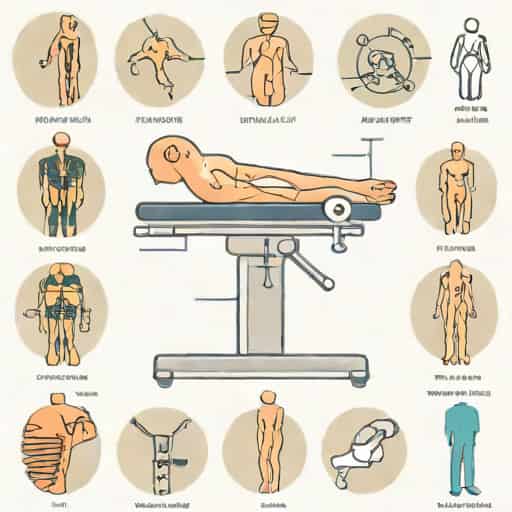
Surgical exposures in orthopaedics are a critical aspect of operative procedures, allowing surgeons to access bones, joints, and soft tissues safely and efficiently. The anatomic approach emphasizes understanding the underlying anatomy to minimize complications, protect neurovascular structures, and optimize surgical outcomes. Mastery of these approaches requires detailed knowledge of musculoskeletal anatomy, careful preoperative planning, and precise intraoperative technique. This topic explores the principles of surgical exposures in orthopaedics, the anatomic considerations for various regions, and the importance of selecting the appropriate approach for each procedure.
Principles of Surgical Exposure
Surgical exposure in orthopaedics is guided by several core principles. First, the incision should provide adequate access to the surgical site while minimizing soft tissue trauma. Second, preservation of blood supply and avoidance of neurovascular injury are paramount. Third, meticulous dissection along anatomic planes reduces complications and facilitates wound healing. These principles ensure that the surgical exposure is both safe and effective, supporting optimal fracture fixation, joint reconstruction, or tumor excision.
Preoperative Planning
Effective surgical exposure begins with careful preoperative planning. Surgeons must evaluate imaging studies, including X-rays, CT scans, and MRI, to understand the location and extent of pathology. Consideration of patient-specific factors, such as body habitus, previous surgeries, and comorbidities, is essential. Planning the incision line, retraction techniques, and the sequence of dissection helps reduce intraoperative surprises and potential complications.
Anatomic Approaches by Region
Different regions of the musculoskeletal system require unique anatomic approaches. Each approach is designed to optimize visualization while preserving critical structures.
Upper Limb Exposures
The upper limb includes the shoulder, arm, elbow, forearm, wrist, and hand. Common approaches include
- Deltopectoral ApproachUsed for shoulder surgeries, it provides access to the proximal humerus and glenohumeral joint while protecting the axillary nerve.
- Anterior and Posterior Elbow ApproachesAllow visualization of the distal humerus and elbow joint for fracture fixation or arthroplasty. Care must be taken to protect the ulnar nerve.
- Volarly and Dorsally in the WristDifferent incisions allow exposure of carpal bones, distal radius, or ligaments depending on the pathology.
Lower Limb Exposures
The lower limb includes the hip, femur, knee, tibia, ankle, and foot. Surgical exposures must balance access with protection of vessels and nerves
- Anterior Hip ApproachProvides access to the acetabulum and femoral head while preserving the abductor muscles.
- Medial and Lateral Knee ApproachesCommonly used for total knee arthroplasty or fracture management, with attention to the patellar tendon and neurovascular structures.
- Tibial Plateau and Ankle ApproachesOffer visualization of fractures or joint surfaces, requiring careful soft tissue handling to reduce wound complications.
Spine Exposures
Spinal surgery requires meticulous dissection to avoid neural injury. Approaches include
- Posterior Midline ApproachProvides access to the vertebral column for decompression or instrumentation.
- Anterolateral and Lateral ApproachesUseful for thoracic or lumbar vertebral surgeries, with careful protection of major vessels.
Soft Tissue Handling
Proper handling of soft tissues is a cornerstone of safe surgical exposure. Retraction should be gentle and applied along natural planes to avoid muscle ischemia. Identifying and protecting nerves and vessels during dissection reduces the risk of iatrogenic injury. Minimizing tissue trauma also enhances postoperative recovery and reduces complications such as infection or delayed healing.
Retraction Techniques
Effective retraction involves using appropriate instruments and techniques tailored to the anatomic region. Self-retaining retractors can provide continuous exposure, while hand-held retractors allow dynamic adjustment. Maintaining optimal exposure without excessive pressure is key to preserving tissue viability.
Minimally Invasive Approaches
Advancements in orthopaedic surgery have led to minimally invasive approaches that limit soft tissue disruption. These techniques rely on small incisions, specialized instruments, and imaging guidance such as fluoroscopy or arthroscopy. While minimally invasive exposures reduce morbidity, they require a thorough understanding of anatomy to avoid complications and achieve the desired surgical goals.
Arthroscopic Exposures
Arthroscopy allows joint visualization and intervention with minimal incisions. Common applications include
- Shoulder rotator cuff repair
- Knee meniscal repair or ligament reconstruction
- Ankle and hip arthroscopy for impingement or synovial disease
These procedures demand precise portal placement and careful navigation to prevent neurovascular or cartilage injury.
Complications and Risk Management
Complications related to surgical exposure can arise from poor technique or anatomical misjudgment. Common issues include neurovascular injury, excessive bleeding, wound dehiscence, and infection. Risk management strategies include
- Detailed preoperative planning with imaging studies
- Strict adherence to anatomic landmarks
- Use of appropriate instruments and retraction techniques
- Maintaining aseptic conditions and careful tissue handling
Postoperative Considerations
After surgery, monitoring for complications related to exposure is critical. This includes assessing neurovascular status, wound integrity, and early signs of infection. Effective postoperative management supports optimal recovery and long-term function of the affected limb or joint.
Training and Education
Proficiency in surgical exposures requires extensive training in anatomy and surgical techniques. Cadaveric dissection, simulation, and mentorship are essential components of orthopaedic education. Continuous practice and review of anatomic approaches improve surgical safety, efficiency, and patient outcomes.
Importance of Anatomical Knowledge
A detailed understanding of musculoskeletal anatomy underpins every orthopaedic procedure. Surgeons must be able to identify muscles, tendons, vessels, and nerves to perform safe and effective exposures. Mastery of anatomy allows adaptation of approaches for variations in patient size, pathology, or previous surgeries.
Surgical exposures in orthopaedics, guided by the anatomic approach, are essential for safe and effective operative procedures. Careful preoperative planning, knowledge of regional anatomy, meticulous soft tissue handling, and proper retraction techniques ensure optimal visualization while minimizing complications. Modern minimally invasive techniques complement traditional approaches, offering reduced morbidity without compromising access. Continuous education, practice, and awareness of potential complications further enhance surgical outcomes. Understanding and applying the principles of anatomic exposure remain fundamental to achieving successful results in orthopaedic surgery.