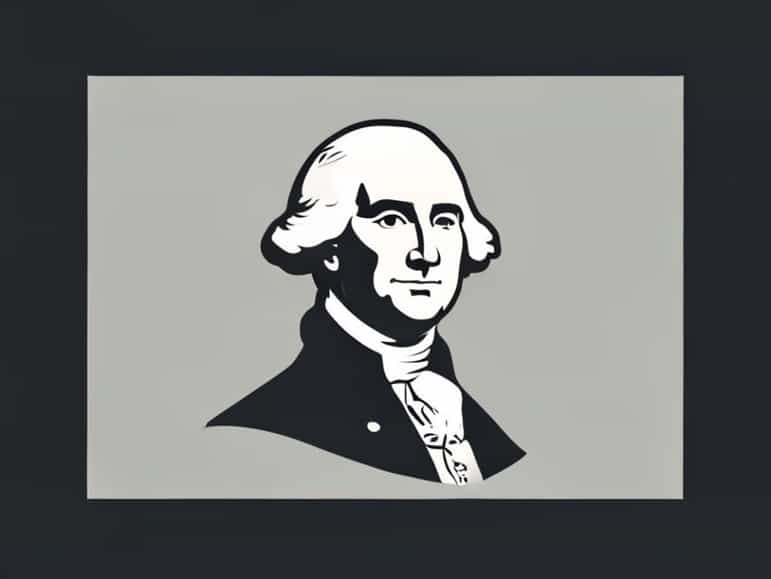
George Washington, the first President of the United States, is widely admired not only for his leadership and vision but also for his personal discipline and moral character. One of the lesser-known aspects of his early life is his adherence to a set of guidelines known as the 100 Rules of Civility and Decent Behavior in Company and Conversation. These rules were derived from a French Jesuit’s handbook and were copied by a young Washington as a teenager. They reflect his commitment to personal development, respect, and social etiquette, forming a foundation for the character that would later guide him through military and political life. Understanding these rules provides insight into the values that shaped one of America’s most influential figures.
Origins of the 100 Rules of Civility
The 100 Rules of Civility were originally a set of maxims created by Jesuits in 16th century France to teach proper conduct, manners, and respect for others. George Washington encountered these rules at age 16 while studying in Fredericksburg, Virginia. He meticulously copied them into his personal notebook, practicing them as a guide for daily behavior. This exercise reflected not only Washington’s diligence and attention to moral development but also his understanding that character and civility were essential to leadership and public respect.
Significance of the Rules
The 100 Rules of Civility were more than mere etiquette; they were a comprehensive guide to conduct, emphasizing respect, humility, and self-control. For young Washington, these rules provided structure for interacting with others, managing conflict, and demonstrating integrity in both personal and public life. By internalizing these principles, Washington cultivated habits that would contribute to his reputation as a disciplined and honorable leader.
- Promoted respect and politeness in all social interactions.
- Encouraged self-discipline and personal accountability.
- Reinforced moral and ethical behavior in public and private life.
- Served as a foundation for leadership qualities and social influence.
Key Themes in Washington’s Rules of Civility
Although the rules cover a wide range of behaviors, several key themes emerge that illustrate the principles Washington valued most.
Respect for Others
Many rules emphasize treating others with courtesy and consideration. This includes listening attentively, avoiding interrupting, and showing humility. Respect was seen as essential for maintaining harmony and trust within both social and professional settings.
- Do not speak when others are speaking.
- Avoid unnecessary or offensive gestures.
- Show deference to elders and authority figures.
- Practice patience and moderation in conversation.
Self-Discipline and Moderation
Washington’s rules stress the importance of controlling impulses, speaking thoughtfully, and avoiding extremes in behavior. Self-discipline was not only a personal virtue but also a social necessity, ensuring one could navigate complex social environments gracefully.
- Avoid excessive laughter or loud expressions.
- Do not engage in quarrels or public arguments.
- Practice restraint in appetite and habits.
- Maintain composure in challenging situations.
Integrity and Honesty
Honesty and transparency were central to the rules, reflecting the moral foundation that Washington valued. Many rules encourage truthfulness, reliability, and consistency in word and action, qualities that would become defining traits of his leadership.
- Do not deceive or mislead others.
- Honor commitments and promises.
- Speak only what is necessary and true.
- Avoid gossip and slander in conversation.
Politeness and Etiquette
Good manners were a recurring theme, covering how to behave in social gatherings, interact with peers, and present oneself with dignity. Washington’s attention to etiquette reflected the belief that external behavior reinforces inner virtue.
- Maintain cleanliness and neatness in appearance.
- Greet others courteously and appropriately.
- Follow proper table manners and social protocols.
- Show generosity and respect to hosts and guests.
Impact of the Rules on Washington’s Life
The influence of these 100 rules can be traced throughout George Washington’s life and leadership style. They helped him cultivate a reputation for integrity, fairness, and composure, traits that were essential during his military career and presidency. By adhering to principles of civility, Washington was able to command respect, build alliances, and navigate the political landscape of a young nation.
Military Leadership
In the military, Washington’s commitment to civility and self-discipline earned him loyalty and admiration from his troops. His ability to lead by example, maintain order, and treat others with respect reflected the values taught by the rules of civility.
Presidential Conduct
As the first President of the United States, Washington’s behavior set a precedent for future leaders. His emphasis on honesty, politeness, and moderation helped establish public trust and created a standard for presidential conduct that remains influential today.
Personal Relationships
The rules also guided Washington’s personal interactions, fostering meaningful friendships and family connections. His respect for others, combined with his integrity and discipline, contributed to strong and lasting relationships.
Modern Relevance of the 100 Rules of Civility
Although written over 300 years ago, the principles outlined in the 100 Rules of Civility remain relevant in contemporary society. They offer guidance for personal development, professional behavior, and ethical living. For individuals seeking to improve interpersonal skills, build trust, or develop leadership qualities, Washington’s early lessons in civility provide timeless wisdom.
Practical Applications Today
- Enhancing communication skills through active listening and respectful dialogue.
- Building professional relationships based on trust, honesty, and integrity.
- Maintaining self-discipline and composure in stressful or competitive environments.
- Promoting social harmony by practicing politeness, patience, and empathy.
- Using moral and ethical principles to guide personal and professional decisions.
George Washington’s 100 Rules of Civility provide a unique window into the values and character that shaped one of the most influential figures in American history. They emphasize respect, integrity, self-discipline, and polite behavior, illustrating the importance of personal conduct in shaping public perception and leadership success. By studying these rules, individuals today can learn valuable lessons about social etiquette, ethical behavior, and personal development. Washington’s dedication to civility demonstrates that character and manners are not just formalities but essential tools for achieving respect, trust, and meaningful influence in society. The 100 Rules of Civility continue to inspire readers to cultivate discipline, kindness, and respect in both personal and professional life, highlighting their timeless relevance.