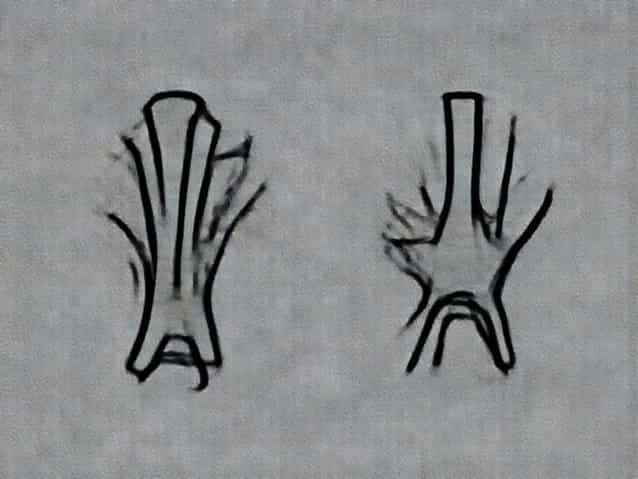
In human anatomy, joints play a vital role in allowing movement, stability, and flexibility throughout the body. While many people are familiar with freely moving joints like the knee or shoulder, fewer understand joints that allow limited movement but provide strong structural support. One important category is cartilaginous joints, which connect bones using cartilage rather than a joint cavity. When students or readers are asked to give two examples of cartilaginous joints, it opens the door to understanding how the skeleton balances strength with controlled motion in everyday activities.
What Are Cartilaginous Joints
Cartilaginous joints are connections between bones where cartilage holds the bones together. Unlike synovial joints, these joints do not have a joint cavity and therefore allow little to no movement. Their main function is to provide strength, shock absorption, and stability while still permitting limited flexibility.
The cartilage involved can be either hyaline cartilage or fibrocartilage. This difference in cartilage type leads to two main classifications of cartilaginous joints, each serving a specific role in the body.
Types of Cartilaginous Joints
To fully understand examples of cartilaginous joints, it is helpful to first understand their two main types. Each type has distinct structural and functional characteristics.
Synchondrosis
A synchondrosis is a cartilaginous joint where bones are joined by hyaline cartilage. These joints are usually temporary and are most commonly found in growing bones. They allow bone growth while maintaining structural integrity.
As the body matures, many synchondroses are replaced by bone through ossification, making them less common in adults.
Symphysis
A symphysis is a cartilaginous joint where bones are connected by fibrocartilage. These joints are typically permanent and are designed to absorb shock and allow slight movement. They are especially important in areas of the body that experience pressure or repetitive stress.
Symphyses provide a balance between stability and flexibility, making them essential for daily movement and posture.
Example One Pubic Symphysis
The pubic symphysis is one of the most commonly cited answers when asked to give two examples of cartilaginous joints. It is a symphysis joint located at the front of the pelvis, where the left and right pubic bones meet.
This joint is composed of fibrocartilage, which provides both strength and a small degree of flexibility. The pubic symphysis plays a crucial role in maintaining pelvic stability while allowing slight movement during activities such as walking or running.
Function of the Pubic Symphysis
The pubic symphysis helps distribute weight evenly across the pelvis and lower limbs. It also absorbs shock during movement, protecting surrounding bones and joints from excessive stress.
In certain situations, such as pregnancy and childbirth, this joint becomes more flexible due to hormonal changes. This increased flexibility allows the pelvis to widen slightly, facilitating childbirth.
Why It Is a Key Example
The pubic symphysis is often used as a teaching example because it clearly demonstrates the defining features of a cartilaginous joint. It shows how fibrocartilage connects bones, limits movement, and supports essential bodily functions.
Example Two Intervertebral Discs
Another classic answer when asked to give two examples of cartilaginous joints is the intervertebral discs. These discs are located between the vertebrae of the spinal column and form symphysis joints.
Each intervertebral disc consists of a tough outer layer of fibrocartilage and a softer inner core. Together, they connect adjacent vertebrae while allowing limited movement and flexibility.
Role of Intervertebral Discs
Intervertebral discs act as shock absorbers for the spine. They cushion the vertebrae during movements such as bending, lifting, and twisting. Without these cartilaginous joints, the spine would be rigid and vulnerable to injury.
They also help maintain the natural curves of the spine, which are essential for balance and posture.
Importance in Everyday Movement
Every time a person sits, stands, or moves, the intervertebral discs play a role. Their ability to compress and decompress allows the spine to adapt to different positions while protecting the spinal cord and nerves.
Additional Examples of Cartilaginous Joints
While the pubic symphysis and intervertebral discs are the most commonly mentioned, there are other important cartilaginous joints worth noting.
- The epiphyseal plate in growing bones
- The first sternocostal joint connecting the rib to the sternum
- Joints between certain bones of the skull during early development
These examples further illustrate how cartilaginous joints support growth, stability, and controlled movement.
Comparison With Other Joint Types
Understanding cartilaginous joints becomes easier when compared with other joint classifications. Fibrous joints, for example, are connected by dense connective tissue and allow little to no movement. Synovial joints, on the other hand, are highly mobile and include joints like the knee and elbow.
Cartilaginous joints fall between these two extremes. They allow limited movement while offering greater flexibility than fibrous joints and more stability than synovial joints.
Why Cartilaginous Joints Matter
Cartilaginous joints are essential for maintaining the body’s structure and function. They absorb impact, reduce friction between bones, and support growth and development. Without them, everyday activities would place excessive strain on bones and joints.
Conditions affecting cartilaginous joints, such as disc degeneration or pelvic instability, can significantly impact mobility and quality of life. This highlights their importance in both anatomy and health.
Common Learning Contexts
Questions like give two examples of cartilaginous joints are commonly found in biology and anatomy exams. These questions test not only memory but also understanding of joint structure and function.
Using clear examples such as the pubic symphysis and intervertebral discs helps learners demonstrate accurate knowledge while connecting theory to real structures in the body.
Summary of Key Points
To reinforce understanding, it is useful to summarize the defining features of cartilaginous joints and their examples.
- They connect bones using cartilage
- They allow limited movement
- They provide strength and shock absorption
- Examples include the pubic symphysis and intervertebral discs
When asked to give two examples of cartilaginous joints, the pubic symphysis and intervertebral discs provide clear and accurate answers. These joints demonstrate how cartilage connects bones to offer stability, flexibility, and protection. By understanding their structure and function, it becomes easier to appreciate how the human body balances movement with strength. Cartilaginous joints may not be as noticeable as freely moving joints, but they are fundamental to posture, growth, and everyday motion.